Quranic Answer
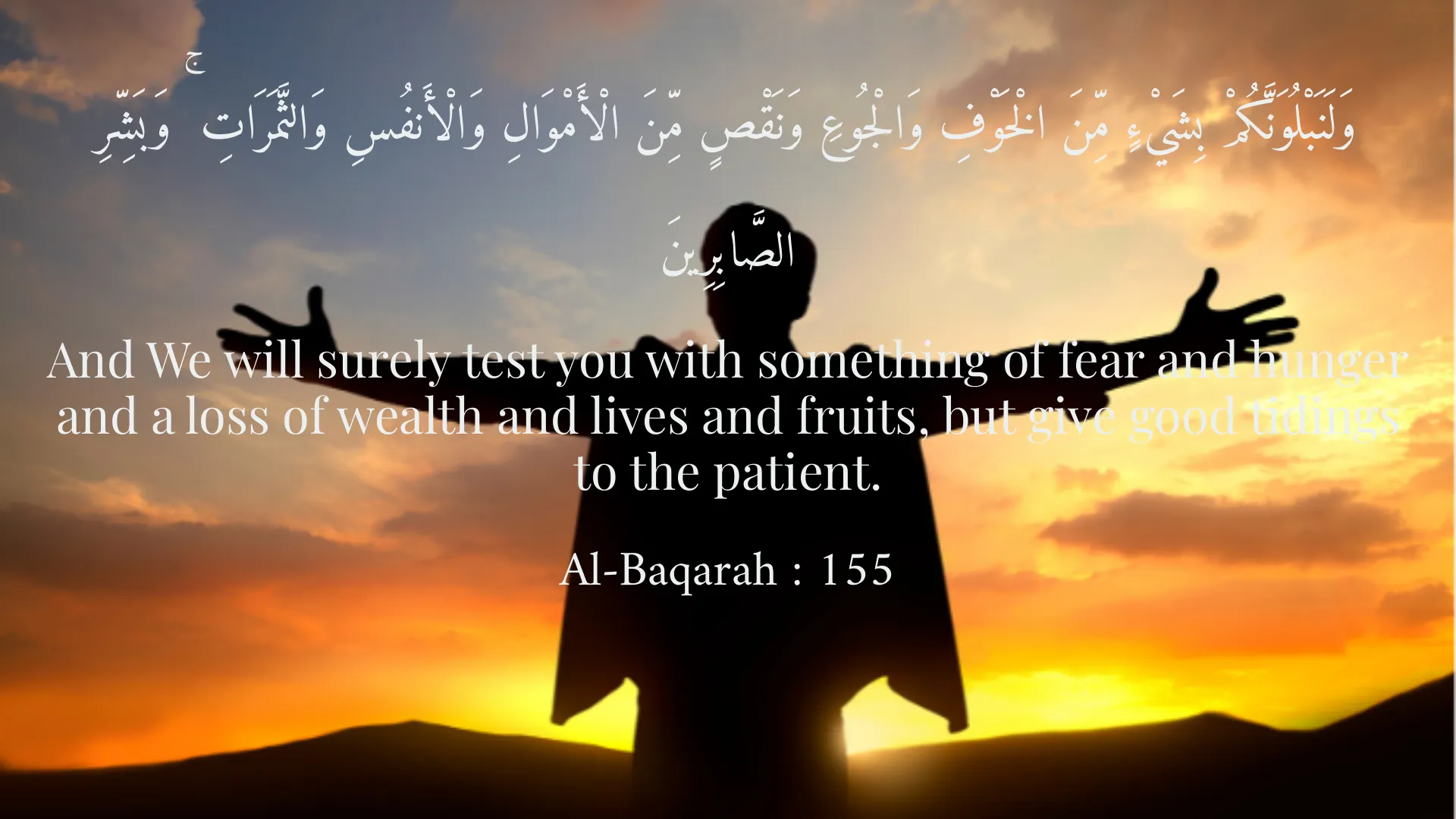
The Holy Quran serves as a guide for millions around the world, offering profound insights into the human experience. One of the most poignant themes within this sacred text is the concept of suffering and hardship. In various verses, Allah presents these challenges not merely as unfortunate events, but rather as essential means for testing and strengthening one's faith and character. This perspective fosters a deeper understanding of the purpose behind life's inevitable challenges. ### Understanding Suffering in Life #### A Divine Test In Surah Al-Baqarah, verse 155, Allah states: 'And We will surely test you with something of fear and hunger and a loss of wealth and lives and fruits, but give good tidings to the patient.' This verse asserts that suffering and hardship are divine tests; they are meant to examine an individual's resilience and commitment to faith. Just as a metal must be subjected to intense heat to become forged into steel, believers are tested through trials that challenge their patience and fortitude. #### Elevation of Awareness The notion of suffering as a pathway to elevation is vital. In facing hardship, individuals are often compelled to reflect upon their lives, enabling them to achieve greater awareness about themselves and the world around them. This reflective process is instrumental in enhancing determination and willpower. Rather than succumbing to despair in times of difficulty, believers are encouraged to view these challenges as opportunities for growth. ### The Role of Patience ##### Reward in the Hereafter In Surah Al-Imran, verse 186, it is stated: 'Indeed, the patient will be given their reward without account.' This powerful reminder emphasizes the significance of patience and endurance amidst suffering. In a world that often equates success with material gain and comfort, the Quranic perspective encourages individuals to cultivate patience as a virtue that commands great rewards in the Hereafter. The juxtaposition of transient worldly pains against the backdrop of eternal rewards helps to cultivate a mindset focused on long-term benefits over immediate gratification. Individuals who endure hardships with grace and perseverance are not only promised divine rewards but also experience personal growth and inner peace as they align themselves with their faith. ### Empathy and Compassion Suffering does not merely shape the individual undergoing the trial but also creates ripples of empathy and compassion within society. When individuals witness suffering, be it their own or that of others, it fosters a sense of shared humanity. Those who have faced trials often develop a deeper understanding of others' struggles, working toward alleviating their suffering in return. In this sense, hardships act as catalysts for social change and community support. They remind individuals of their interconnectedness and encourage them to extend kindness and help to one another. This reflection of compassion plays a crucial role in building resilient communities capable of weathering life's storms together. ### Lessons Learned Through Hardship ##### Reminders of Fragility Hardships serve as important lessons. They remind us of our vulnerabilities and the fragility of life. The bitterness of life often necessitates a reassessment of priorities and values, leading to personal growth and stronger faith. Believers are reminded that everyone faces difficulties, and through patience, one can emerge stronger and more refined in character. The experiences of suffering also encourage a spirit of gratitude. People learn to appreciate their blessings, cultivating a sense of contentment that transcends material desires. As individuals reflect on their difficulties, they often find inspiration in their journey. Such introspection can result in newfound purpose and commitment to personal development and serving others. ### The Path to Human and Spiritual Perfection Ultimately, the concept of suffering in the Holy Quran points towards a larger goal: achieving human and spiritual perfection. Believers are encouraged to view their trials as integral parts of a divine plan, leading them toward true salvation. Each hardship, therefore, is an opportunity for believers to cultivate virtues such as patience, empathy, and resilience. This transformative journey fosters a spiritual awakening that transcends the mere acceptance of suffering. Through trials, individuals may come to understand their divine purpose and strive toward fulfilling it. They learn to embrace life’s challenges as catalysts for growth and spiritual evolution. ### Conclusion The Quranic perspective on suffering and hardship is a powerful reminder that trials are an intrinsic aspect of the human experience. They serve to test and strengthen faith while also fostering compassion and empathy within communities. In navigating adversity, believers find countless opportunities for personal growth and spiritual development. Ultimately, the lessons embedded in these hardships not only prepare individuals for their rewards in the Hereafter but also enhance their understanding of themselves and their connection to others. Through patience and endurance, believers can rise above their struggles, leading to true enlightenment and salvation as envisioned in the holy teachings of Islam.
Related Verses
وَلَنَبْلُوَنَّكُمْ بِشَيْءٍ مِّنَ الْخَوْفِ وَالْجُوعِ وَنَقْصٍ مِّنَ الْأَمْوَالِ وَالْأَنفُسِ وَالثَّمَرَاتِ ۚ وَبَشِّرِ الصَّابِرِينَ
And We will surely test you with something of fear and hunger and a loss of wealth and lives and fruits, but give good tidings to the patient.
Al-Baqarah : 155
إِنَّمَا يُوَفَّى الصَّابِرُونَ أَجْرَهُمْ بِغَيْرِ حِسَابٍ
Indeed, the patient will be given their reward without account.
Al-Imran : 186
Short Story
One day, a man named Hosam was contemplating his life and reflecting on the sufferings he had endured. Slowly, he realized that these sufferings had made him stronger and more faithful. Recalling the verses of the Quran, he decided to use hardships as an opportunity for personal growth. Now, he walks his life path with a more joyful heart.