Quranic Answer
Your question, “Why do I feel emptiness even during worship?”, is a profound and significant one that many individuals encounter on their spiritual journey. This feeling, although it can be distressing, can actually be a sign of a genuine and deeper search for connection with God, rather than merely performing an outward act. The Holy Quran, this guiding book, provides insights into many of these spiritual complexities and teaches us that worship is far more than just movements and words; attaining its true essence is a journey of the heart. To understand the roots of this feeling of emptiness in worship, we must first delve into the primary purpose of worship from the Quranic perspective. Allah states in the Holy Quran that the purpose of creating jinn and humankind is for “worship” (Adh-Dhariyat, verse 56). However, this worship is not merely servitude but rather a means of knowing, obeying, submitting to, and drawing closer to the Being who is the source of all existence. Worship is a bridge for a heartfelt connection with God, and when this bridge is not properly established, a sense of emptiness and meaninglessness can creep in, even during the most sacred moments. One of the main reasons indicated by the Quran that can lead to this feeling of emptiness is “heedlessness” or the lack of sincere attention and awareness in the heart. In numerous verses, Allah warns humanity against heedlessness and emphasizes that the heart must be awake and mindful of Him. When a person performs Salat (prayer) or recites Dhikr (remembrance), but their heart is preoccupied with worldly matters, daily concerns, or even satanic whisperings, this outward act becomes devoid of spirit and meaning. Allah says in Surah Al-Ma’arij, verses 19-21: “Indeed, mankind was created anxious: when evil touches him, impatient; and when good touches him, withholding, except the observers of prayer.” These verses point to a fundamental issue: lack of steadfastness and focus. One who is unstable and lacks presence of heart in their prayer cannot taste its true fruits. Another reason is the “lack of Khushu’ (humility and concentration).” Khushu’ is a state of humility, submissiveness, and heartfelt concentration that arises in the face of God's grandeur. The Holy Quran states in Surah Al-Baqarah, verse 45: “And seek help through patience and prayer, and indeed, it is difficult except for the humbly submissive [to Allah].” This verse clearly indicates that prayer, without Khushu’, appears burdensome and difficult, and cannot bring about that profound peace and connection. When an individual prays without Khushu’ and presence of heart, they are essentially performing only movements and recitations, without their soul connecting with the Originator of existence. This is akin to drinking water from a leaky cup; the outward action is there, but there is no quenching of thirst. The third factor is “sins and worldly attachments,” which create a veil between the worshiper and their Lord. Sins tarnish the mirror of the heart, preventing the divine light of gnosis from reflecting within it. As Allah states in Surah Al-Mutaffifin, verse 14: “No! But on their hearts is a covering [of sin] from that which they have earned.” This covering hinders the feeling of spiritual pleasure in worship. Furthermore, excessive attachment to the world and its fleeting pleasures causes the heart to depend on ephemeral things instead of God. When the heart is full of material worries and worldly desires, there is no room left for divine tranquility and presence. Now, to counter this feeling of emptiness and attain the sweetness of worship, the Quran offers several remedies: 1. Constant Remembrance of Allah (Dhikr): The Quran repeatedly emphasizes the importance of Dhikr. Allah says in Surah Ar-Ra’d, verse 28: “Those who have believed and whose hearts are assured by the remembrance of Allah. Unquestionably, by the remembrance of Allah hearts are assured.” Dhikr is not merely uttering “Allahu Akbar” or “Subhan Allah,” but rather the constant presence of God in one's mind and heart. The more vivid the remembrance of God is in our lives, the less likely we are to feel emptiness in worship. 2. Reflection (Tafakkur) and Contemplation (Tadabbur) on Quranic Verses and Creation: Allah commands us in the Quran to ponder over His verses (An-Nisa, verse 82; Muhammad, verse 24). When we connect with the meanings of the words of prayer and the verses of the Quran, we grasp the depth and grandeur of divine speech. This contemplation leads to the awakening of the heart and an increase in Khushu’. Observing the signs of God's power and greatness in creation (like the heavens, the earth, and humanity) also contributes to a deeper understanding of Him, thereby deepening the connection in worship. 3. Sincerity (Ikhlas) in Intention: Worship must be purely for the sake of Allah, not for seeking attention from others or merely fulfilling an obligation. Allah says in Surah Al-Bayyinah, verse 5: “And they were not commanded except to worship Allah, [being] sincerely obedient to Him, inclining to truth.” A pure and sincere intention is the soul of worship, and without it, the action remains like a soulless body. 4. Seeking Forgiveness (Istighfar) and Repentance (Tawbah): Purifying the heart from the rust of sins opens the way for divine light to enter. Sincere repentance and continuous Istighfar remove veils and facilitate connection with God. Allah promises forgiveness to those who repent, stating that He is Oft-Forgiving, Most Merciful. 5. Patience (Sabr) and Perseverance: Attaining the sweetness and tranquility in worship does not happen overnight. It is a spiritual journey that requires patience and steadfastness. By consistently engaging in acts of worship, even if a feeling of emptiness is initially present, the heart gradually opens, and a deeper connection forms. 6. Continuous Supplication (Dua) and Seeking Help from Allah: Allah says in Surah Al-Baqarah, verse 186: “And when My servants ask you concerning Me, then [answer them], 'Indeed, I am near. I respond to the invocation of the supplicant when he calls upon Me.'” Ask Allah to grant you presence of heart and the joy of worship. He is the Hearer and the Responder. Ultimately, the feeling of emptiness in worship can serve as a warning sign and an opportunity to reassess the quality of our relationship with Allah. It is an invitation to delve deeper, to move beyond superficiality, and to enter the profound reality of servitude. By focusing on presence of heart, sincerity, remembrance, and purifying the soul from sins, one can gradually diminish this feeling and attain the true peace and joy of worship. This path is a continuous journey that never ends, for the closer one draws to Allah, the more one comprehends His grandeur and infinitude, and the greater the need for closer proximity and connection. This challenge is not an obstacle, but rather a step for spiritual elevation. This is the “Jihad al-Akbar,” the greater struggle, which involves combating the ego and reforming the inner self.
Related Verses
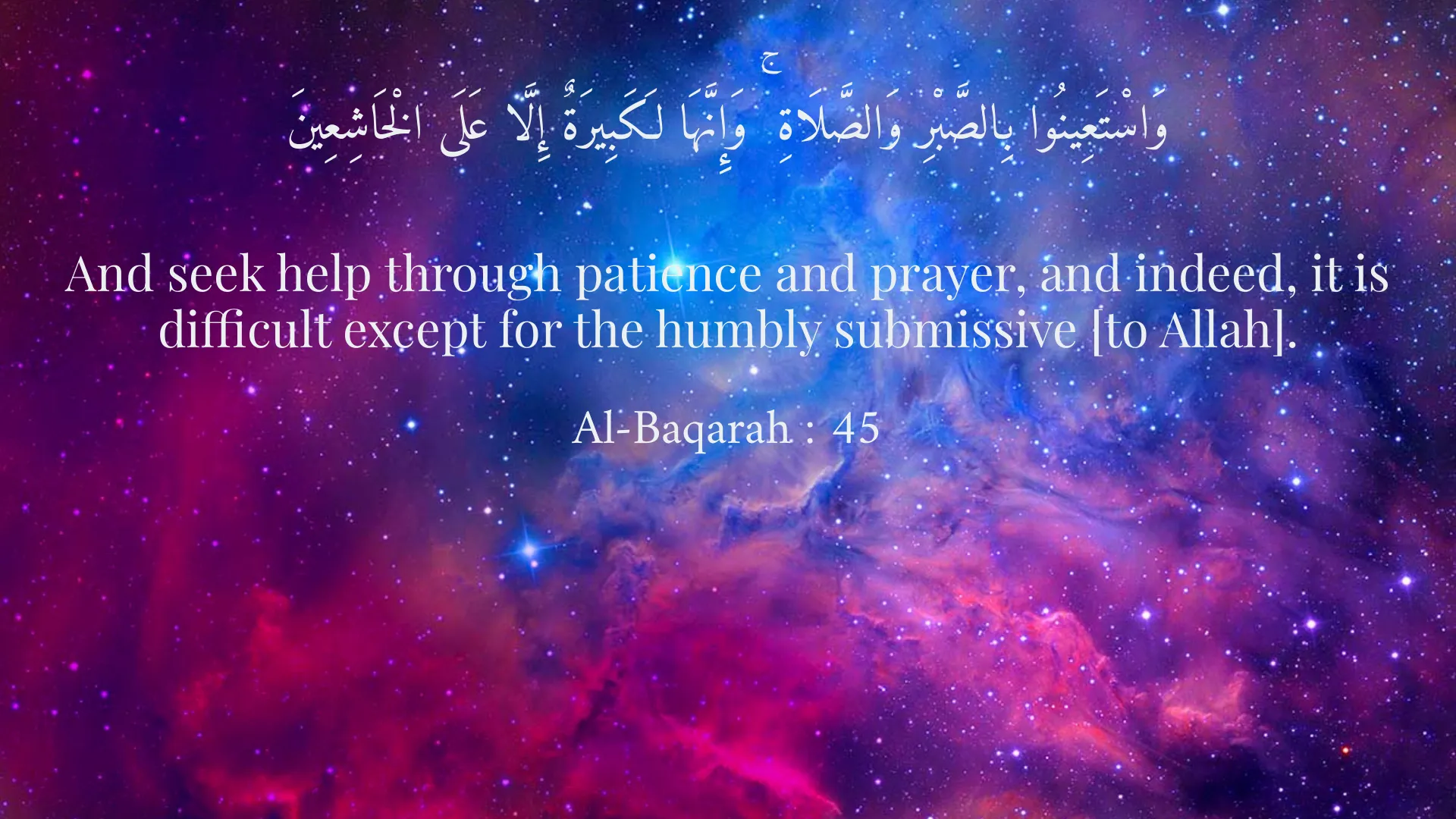
وَاسْتَعِينُوا بِالصَّبْرِ وَالصَّلَاةِ ۚ وَإِنَّهَا لَكَبِيرَةٌ إِلَّا عَلَى الْخَاشِعِينَ
And seek help through patience and prayer, and indeed, it is difficult except for the humbly submissive [to Allah].
Al-Baqarah : 45
الَّذِينَ آمَنُوا وَتَطْمَئِنُّ قُلُوبُهُم بِذِكْرِ اللَّهِ ۗ أَلَا بِذِكْرِ اللَّهِ تَطْمَئِنُّ الْقُلُوبُ
Those who have believed and whose hearts are assured by the remembrance of Allah. Unquestionably, by the remembrance of Allah hearts are assured.
Ar-Ra'd : 28
كَلَّا بَلْ ۜ رَانَ عَلَىٰ قُلُوبِهِم مَّا كَانُوا يَكْسِبُونَ
No! But on their hearts is a covering [of sin] from that which they have earned.
Al-Mutaffifin : 14
وَإِذَا سَأَلَكَ عِبَادِي عَنِّي فَإِنِّي قَرِيبٌ ۖ أُجِيبُ دَعْوَةَ الدَّاعِ إِذَا دَعَانِ ۖ فَلْيَسْتَجِيبُوا لِي وَلْيُؤْمِنُوا بِي لَعَلَّهُمْ يَرْشُدُونَ
And when My servants ask you concerning Me, then [answer them], 'Indeed, I am near. I respond to the invocation of the supplicant when he calls upon Me. So let them respond to Me [by obedience] and believe in Me that they may be rightly guided.'
Al-Baqarah : 186
Short Story
It is narrated that in a city lived two men. One was an ascetic who would go to the mosque every day and pray with a loud voice and demonstrative movements, in such a way that everyone would see him and praise him. The other was a poor, common man who, in his solitude, would remember God with a broken heart and tears, hiding his devotions from people's eyes. One day, the Sheikh of the city asked one of his disciples: "In your opinion, which of these two men is closer to God?" The disciple immediately replied: "Of course, the ascetic whom everyone sees worshipping and is amazed by his piety." The Sheikh smiled and said: "My son, the outward appearance of deeds is sometimes deceiving. The value of worship is not in the multitude of movements or loud voices, but in the presence of the heart and the purity of intention. Perhaps that ascetic has nothing but hypocrisy and pretense in his heart, while that poor man, who whispers to God in his secluded corner, has a heart full of love and sincerity. God does not look only at our outward actions, but pays attention to our intentions and the states of our hearts. If worship springs from the heart, even if it is short and hidden, it opens the doors of peace and connection to a person. But worship that is merely a soulless habit or a show for others brings nothing but fatigue and emptiness." This story teaches us that if we feel emptiness in worship, we should look within ourselves and rediscover the essence of our intention and presence of heart. For the true sweetness of worship lies in the purity of intention and the direct connection of the heart to the Lord.