Quranic Answer
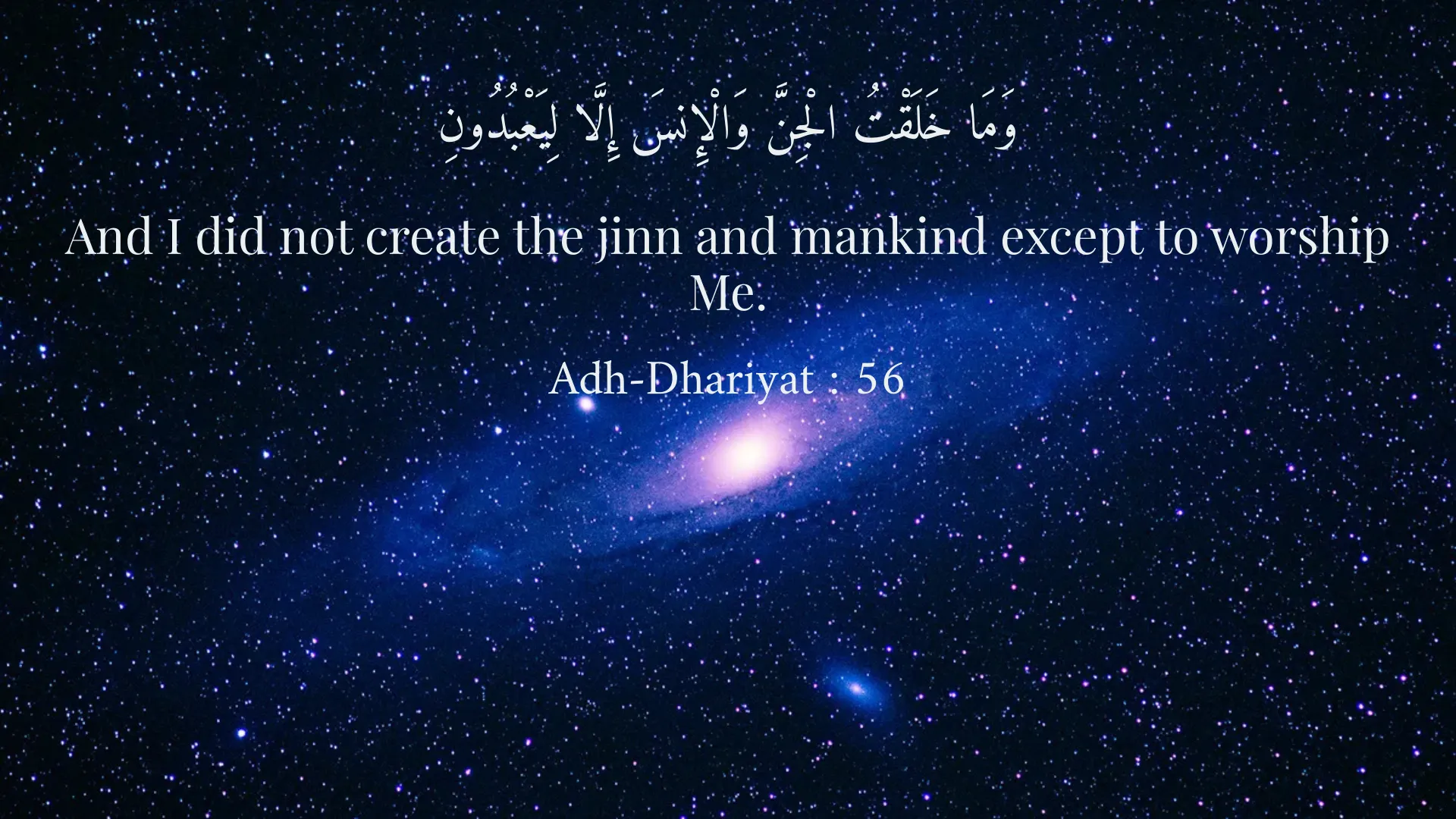
Feeling a lack of meaning in life is a profound and sometimes overwhelming experience that many individuals encounter at various stages. This feeling can stem from different factors: losing a sense of purpose, a disconnect from oneself or others, or simply getting lost in the hustle and bustle of material life. However, from the perspective of the Holy Quran, life is never meaningless; rather, it is full of purpose, wisdom, and opportunities for growth and perfection. The Quran offers us a grand framework for understanding our existence, our role in the world, and our ultimate destination, clearly demonstrating that every moment of our lives carries a divine meaning and value, provided we adopt a Quranic perspective. This perspective helps us to understand the deeper truth of existence beyond fleeting worldly appearances and to achieve lasting peace. The first and most fundamental principle the Quran introduces to address this feeling is the purpose of creation. Allah Almighty states in Surah Adh-Dhariyat, verse 56: “And I did not create the jinn and mankind except to worship Me.” This concise verse illuminates the core meaning of life. However, "worship" here does not merely refer to performing ritualistic acts of worship like prayer and fasting; it encompasses a much broader concept. Worship means living a life conscious of and in servitude to God, in every moment and every action. It signifies that the purpose of our creation is a purposeful life where all our actions, intentions, relationships, and decisions revolve around seeking Allah’s pleasure. When a person understands that their existence was not created without purpose, and that every breath they take is an opportunity to draw closer to the Creator, then even seemingly small tasks gain profound meaning. Worship includes upholding justice, benevolence, honesty, striving for lawful earnings, helping those in need, and even seeking knowledge; all these, if done with divine intention, are considered part of the vast meaning of worship and enrich human life. This comprehensive approach reduces monotony and aimless repetition, infusing every part of life with a stream of divine light and purpose. This understanding alone can replace feelings of emptiness with a sense of profound meaning and purpose, bringing necessary peace and direction to the heart and mind. The second Quranic pillar for combating the sense of meaninglessness is the Quran’s perspective on worldly life. The Holy Quran repeatedly emphasizes the fleeting and temporary nature of this world, describing it as a sowing ground for the Hereafter. In Surah Al-Hadid, verse 20, we read: “Know that the life of this world is but amusement and diversion and adornment and boasting among yourselves and competition in increase in wealth and children...” This verse reminds us that excessive attachment to worldly manifestations and making them the ultimate goal of life will lead to emptiness and despair. When a person limits their purpose solely to accumulating wealth, attaining status, or ephemeral worldly pleasures, they experience a void and meaninglessness upon losing them, or even upon achieving them without finding inner contentment. The Quran invites us to have a broader perspective and to see life as a bridge to eternity. This viewpoint gives meaning to worldly struggles, hardships, and efforts, because every step taken in the path of God’s pleasure is a provision for the everlasting life of the Hereafter. This belief in the afterlife provides a strong motivation for humans to dedicate their lives to good and lasting deeds, and to free themselves from despair in the face of problems. When an individual becomes certain that the true and lasting reward is with Allah and that this world is merely an opportunity to earn those rewards, they no longer become overly attached to fleeting successes or failures, seeing instead a horizon of hope and meaning in every circumstance. The third Quranic solution for finding meaning is focusing on the remembrance of Allah and prayer. In Surah Ar-Ra’d, verse 28, it is stated: “Unquestionably, by the remembrance of Allah hearts are assured.” The feeling of meaninglessness is often accompanied by anxiety, worry, and spiritual unrest. The Quran introduces the remembrance of Allah (Dhikr Allah) as a practical solution to this problem. This remembrance includes prayer, recitation of the Quran, supplication, contemplation on divine verses, and any act that brings a person closer to Allah. When a person’s heart finds peace in the remembrance of their Creator, there is no room left for emptiness. Prayer, as the pillar of religion and the believer’s ascension, offers an unparalleled opportunity for direct communication with Allah. In this daily dialogue, a person becomes more purposeful, as each prayer is a renewed covenant with the Lord and a reminder of the main purpose of life. This continuous connection provides stability, tranquility, and direction, saving one from wandering and meaninglessness. Dhikr and remembrance of Allah are like water poured onto the dry roots of the soul, nourishing them; the feeling of the constant presence of an absolute, merciful power assures a person that they are not alone and that everything is under control, and this sense of security eradicates the roots of meaninglessness, filling its place with certainty and peace. The fourth important point is the Quran’s view on difficulties and hardships. The Quran considers worldly life as a realm of test, as stated in Surah Al-Mulk, verse 2: “[He] who created death and life to test you [as to] which of you is best in deed...” This means that every difficulty, every setback, and every challenge we face in life is not only meaningful but also an opportunity for growth, patience, reliance on Allah, and drawing closer to Him. When a person understands that Allah loves them and that even in calamities there is wisdom, they no longer feel victimized or meaningless. Instead, they see every bitter experience as a lesson for their spiritual development. This perspective on life instills resilience and hope, enabling one to extract deep and lasting meaning from within hardships. This perspective, instead of leading to despair, motivates a person towards reflection, contemplation, and better action. Understanding that every hardship is a stage of a divine test gives a person inner strength to confront challenges and build bridges from them to achieve greater divine goals, and thus, even sufferings acquire a sublime meaning. Finally, the Holy Quran shows us that the meaning of life also manifests in serving others and performing righteous deeds. Although the primary purpose is to worship Allah, worship of Allah is not complete without serving His creation. Helping the poor, assisting the oppressed, educating the ignorant, establishing peace and goodness in society, all are actions that bring a person closer to Allah and give profound meaning to their life. When a person sees that their existence has a positive impact on the lives of others and can alleviate problems, they experience a sense of effectiveness and inner satisfaction that eradicates the feeling of meaninglessness. The Quran places great emphasis on social and ethical responsibility, and these responsibilities imbue individual and collective life with meaning. Being connected with society and feeling responsible towards it transforms an individual into an active and dynamic being who not only thinks of their own happiness but also cares about the growth and perfection of the community. This sense of participation and impact itself is a great source of meaning and contentment that can eliminate any feeling of uselessness. So, if you feel a lack of meaning, turn inward and redefine your connection with the Creator of existence. Reflect on the purpose of your creation, see the world as a bridge to the Hereafter, calm your heart with the remembrance of Allah, consider hardships as tests for growth, and step forward in the path of serving creation. The Quran is a guiding light that illuminates the path to meaning and assures you that every moment of life is a precious opportunity to discover and fulfill the divine purpose of your existence. This path not only eliminates meaninglessness but will fill your life with contentment, peace, and hope for an everlasting future.
Related Verses
وَمَا خَلَقْتُ الْجِنَّ وَالْإِنسَ إِلَّا لِيَعْبُدُونِ
And I did not create the jinn and mankind except to worship Me.
Adh-Dhariyat : 56
الَّذِينَ آمَنُوا وَتَطْمَئِنُّ قُلُوبُهُم بِذِكْرِ اللَّهِ ۗ أَلَا بِذِكْرِ اللَّهِ تَطْمَئِنُّ الْقُلُوبُ
Those who have believed and whose hearts are assured by the remembrance of Allah. Unquestionably, by the remembrance of Allah hearts are assured.
Ar-Ra'd : 28
الَّذِي خَلَقَ الْمَوْتَ وَالْحَيَاةَ لِيَبْلُوَكُمْ أَيُّكُمْ أَحْسَنُ عَمَلًا ۚ وَهُوَ الْعَزِيزُ الْغَفُورُ
[He] who created death and life to test you [as to] which of you is best in deed - and He is the Exalted in Might, the Forgiving.
Al-Mulk : 2
اعْلَمُوا أَنَّمَا الْحَيَاةُ الدُّنْيَا لَعِبٌ وَلَهْوٌ وَزِينَةٌ وَتَفَاخُرٌ بَيْنَكُمْ وَتَكَاثُرٌ فِي الْأَمْوَالِ وَالْأَوْلَادِ ۖ كَمَثَلِ غَيْثٍ أَعْجَبَ الْكُفَّارَ نَبَاتُهُ ثُمَّ يَهِيجُ فَتَرَاهُ مُصْفَرًّا ثُمَّ يَكُونُ حُطَامًا ۚ وَفِي الْآخِرَةِ عَذَابٌ شَدِيدٌ وَمَغْفِرَةٌ مِّنَ اللَّهِ وَرِضْوَانٌ ۚ وَمَا الْحَيَاةُ الدُّنْيَا إِلَّا مَتَاعُ الْغُرُورِ
Know that the life of this world is but amusement and diversion and adornment and boasting among yourselves and competition in increase in wealth and children - like the example of a rain whose [resulting] plant growth pleases the disbelievers; then it dries and you see it [become] yellow; then it becomes [scattered] debris. And in the Hereafter is severe punishment and forgiveness from Allah and approval. And what is the worldly life except the enjoyment of delusion.
Al-Hadid : 20
Short Story
It is said that one day, a wealthy king had a troubled heart and constantly complained about the responsibilities of governance and the transient nature of the world. He sat before a wise dervish and spoke of his restlessness. The dervish replied with a calm smile, 'O King, I see you bound by that which you rule, and you are constantly in fear of losing it. But I, who possess nothing, am free from every bond, and my heart is tied only to the Beloved.' The king, astonished, asked, 'How can this be?' The dervish continued, 'Because you seek the meaning of life in what you can gain or lose, and this itself is the source of anxiety. But I find meaning in the pleasure of the Lord and reliance upon Him, and thus, my heart never suffers from emptiness. Worldly possessions are fleeting, and their joys and sorrows pass; but the remembrance of God and righteous deeds bestow eternal meaning upon life, and peace of mind originates from there.' The king was awakened by these wise words and realized that true treasure lies in a tranquil heart and firm faith, not in the accumulation of wealth and power. He understood that the meaning of life is embedded in a greater purpose that transcends the fleeting pleasures of this world and that one must return to the true source of peace and meaning, which is God.