Quranic Answer
This is a profound question that many individuals encounter on their spiritual journey. The feeling of being unable to converse with God often stems from a limited understanding of the nature of this communication. In Islamic and Quranic teachings, conversing with God does not imply a direct, face-to-face verbal exchange, like a conversation between two humans. Rather, this connection takes a much deeper, more meaningful, and constant form that flows through various methods and channels, requiring sincerity of heart and deep reflection. The Holy Quran explicitly states that God is very near to His servants and is always listening and responding. Verse 186 of Surah Al-Baqarah clearly affirms: “And when My servants ask you concerning Me, then [answer them], 'Indeed, I am near. I respond to the invocation of the supplicant when he calls upon Me. So let them respond to Me [by obedience] and believe in Me that they may be [rightly] guided.'” This verse unequivocally declares that God is not distant; rather, He is “near” and “responds” to supplications. The feeling of not being able to converse often arises from our lack of understanding of how this conversation takes place, not from God's absence or unresponsiveness. 1. Prayer (Salah): The Pinnacle of the Servant's Conversation with the Lord Salah, or ritual prayer, is the pillar of Islam and the spiritual ascension of the believer. This act of worship is a regular, daily program for direct connection with God. In Salah, we not only praise God but also convey our needs and desires to Him. Surah Al-Fatiha, recited in every unit of prayer, is itself a two-way dialogue: When we say “Al-Hamdu Lillahi Rabbil 'Alamin” (All praise is due to Allah, Lord of the worlds), we are praising God. When we say “Iyyaka Na'budu wa Iyyaka Nasta'in” (You alone we worship and You alone we ask for help), we declare our commitment and reliance on Him. And finally, in “Ihdina Siratal Mustaqim” (Guide us to the straight path), we make a crucial request. These are not mere phrases; they express a state of humility, reliance, and heartfelt need. In response to these praises and requests, God bestows tranquility, guidance, and blessings upon the heart of the servant. The Quran states: “And seek help through patience and prayer. And indeed, it is difficult except for the humbly submissive [to Allah].” Salah, with its specific movements, recitations, and sincere intention, is a comprehensive spiritual and physical connection that links the believer to the source of power and peace every time. God's response in Salah is not with words, but with spiritual and inner effects, as well as by bringing order to life and deterring from wrongdoing (Indeed, prayer prohibits immorality and wrongdoing). 2. Du'a (Supplication): Direct Intimate Conversation with the Creator Du'a is the essence and kernel of worship. These are the moments when a servant, without any intermediary, intimately converses with their Lord. Du'a is not merely about asking for needs; it includes expressing gratitude, seeking forgiveness, acknowledging one's weakness, and manifesting love and dependency. God introduces Himself as “Qareeb” (Near) and “Mujib” (Responder) and promises to answer supplications. Why do we sometimes feel our prayers are not answered or we receive no response? This can be due to various reasons: Divine Wisdom, God's response might not be in the form we expect; sometimes, it is better for us that our request is delayed, or a harm is averted instead, or it is stored for the afterlife. God knows what is best for us. Conditions of Du'a, Du'a has etiquettes; presence of heart, certainty of response, patience, purity of intention, and lawful sustenance. If these conditions are not met, they might hinder the response. Sins, Sins and transgressions can create veils between the servant and God, preventing the light of acceptance from reaching. Repentance and seeking forgiveness lift these veils. In any case, the crucial point is that God is always listening, and no word or whisper is hidden from Him. The feeling of not being heard might stem from our impatience or our lack of understanding of God's way of responding. 3. Dhikr (Remembrance of God): A Continuous Presence in the Divine Presence Dhikr, or the remembrance of God, means remembering Him at all times, with both tongue and heart. This includes glorifying (SubhanAllah), praising (Alhamdulillah), declaring oneness (La ilaha illallah), and magnifying (Allahu Akbar) Him. The Quran states: “Those who have believed and whose hearts are assured by the remembrance of Allah. Unquestionably, by the remembrance of Allah hearts are assured.” Dhikr is not a one-sided conversation from us; rather, with every remembrance, a person perceives themselves in the divine presence, and this very presence brings tranquility and assurance. This tranquility is itself one of the most important responses from God to those who remember Him. It is a state where one's mind and heart are focused on the Creator, and through this focus, a deep and lasting connection is formed. Consistent remembrance purifies life from heedlessness and emptiness, giving it meaning and direction. 4. Reflection on the Quran: Listening to God's Direct Words The Holy Quran is the direct word of God, revealed to Prophet Muhammad (peace be upon him). Reading, understanding, and reflecting upon the verses of the Quran is akin to listening to God's words and understanding His will for humanity's life. In the Quran, God speaks to us: about the purpose of creation, the laws of the universe, stories of prophets, commands and prohibitions, and glad tidings and warnings. When we read the verse “Indeed, Allah loves those who repent and loves those who purify themselves,” it is as if God is lovingly telling us whom He loves. When we read “And be patient, for indeed, Allah does not allow to be lost the reward of those who do good,” these words from Him are comforting and hopeful. So, if you seek to hear God's voice, turn to the Quran. This book is a miracle that allows us to connect with His words at any moment and benefit from His endless guidance and wisdom. 5. Observing Divine Signs in Creation: Conversing Through Signs In numerous verses of the Quran, God calls upon us to observe and reflect on His creation. The heavens and the earth, the falling of rain, the growth of plants, the alternation of night and day, the creation of humanity—all are “Ayat” (signs) that speak of God's power, knowledge, wisdom, and mercy. “And in the earth are signs for those of assured faith. And in yourselves. Then will you not see?” When we behold the grandeur of mountains, the vastness of oceans, the complexity of body cells, or the harmony of celestial bodies, we are in essence “conversing” with their Creator through a silent language. This observation leads the heart to awe and admiration and awakens within a person a sense of closeness to an infinite power. Every natural phenomenon, every moment of life, can be a sign and a message from God, if our inner eye is perceptive. Why Do We Sometimes Feel Unable to Converse? (Veils and Obstacles) The feeling of disconnection or inability to converse with God usually comes from us, not from Him. This feeling can stem from various factors: Sins and Heedlessness, Weakness of Faith and Certainty, Dissatisfaction and Impatience, and Seeking Tangible Responses. To overcome this feeling and strengthen the connection with God, one can take the following steps: Sincerity and Pure Intention, Steadfastness and Consistency, Repentance and Seeking Forgiveness, Reflection on the Quran and the Prophet's Sunnah, Contemplation of Creation, and Avoiding Sins and Disobedience. Ultimately, conversing with God is a continuous and dynamic process that encompasses all aspects of a believer's life. This connection is established not only through words but also through our heart, soul, actions, and even our silence. God is always listening and present; it is we who must learn how to listen and how to speak to Him, and understand that His responses are always for our good and stem from His infinite wisdom, even if not immediately comprehensible. This connection is an unparalleled source of peace, guidance, and strength in life.
Related Verses
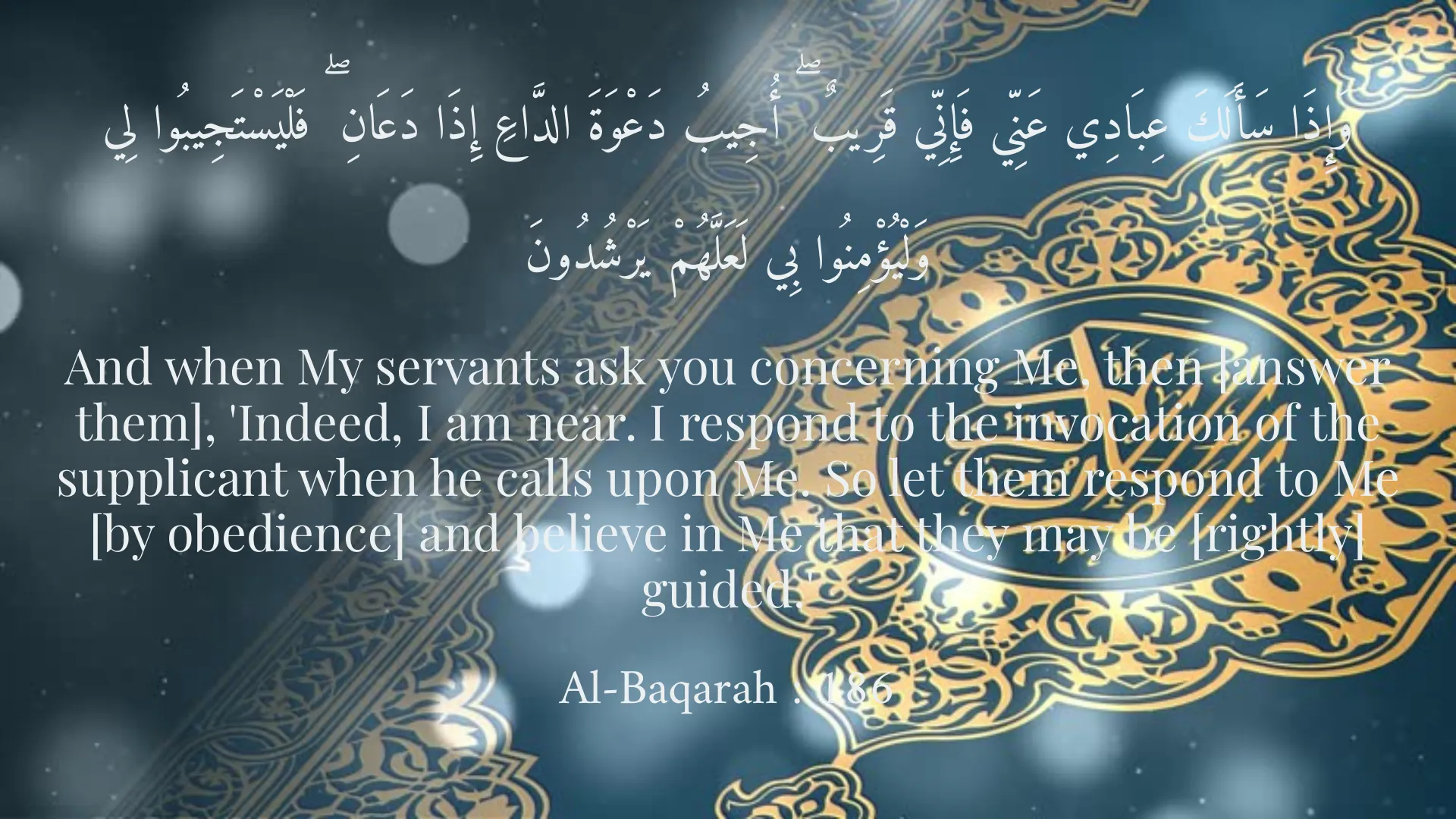
وَإِذَا سَأَلَكَ عِبَادِي عَنِّي فَإِنِّي قَرِيبٌ ۖ أُجِيبُ دَعْوَةَ الدَّاعِ إِذَا دَعَانِ ۖ فَلْيَسْتَجِيبُوا لِي وَلْيُؤْمِنُوا بِي لَعَلَّهُمْ يَرْشُدُونَ
And when My servants ask you concerning Me, then [answer them], 'Indeed, I am near. I respond to the invocation of the supplicant when he calls upon Me. So let them respond to Me [by obedience] and believe in Me that they may be [rightly] guided.'
Al-Baqarah : 186
اتْلُ مَا أُوحِيَ إِلَيْكَ مِنَ الْكِتَابِ وَأَقِمِ الصَّلَاةَ ۖ إِنَّ الصَّلَاةَ تَنْهَىٰ عَنِ الْفَحْشَاءِ وَالْمُنكَرِ ۗ وَلَذِكْرُ اللَّهِ أَكْبَرُ ۗ وَاللَّهُ يَعْلَمُ مَا تَصْنَعُونَ
Recite, [O Muhammad], what has been revealed to you of the Book and establish prayer. Indeed, prayer prohibits immorality and wrongdoing, and the remembrance of Allah is greater. And Allah knows that which you do.
Al-Ankabut : 45
الَّذِينَ آمَنُوا وَتَطْمَئِنُّ قُلُوبُهُم بِذِكْرِ اللَّهِ ۗ أَلَا بِذِكْرِ اللَّهِ تَطْمَئِنُّ الْقُلُوبُ
Those who have believed and whose hearts are assured by the remembrance of Allah. Unquestionably, by the remembrance of Allah hearts are assured.
Ar-Ra'd : 28
Short Story
One day, a wealthy man who had lost all his fortune approached a wise master with a heart full of grief and despair. He wailed, "O Master, I speak to my God day and night and seek His help, but it seems my voice does not reach Him, and I hear no reply. Has God abandoned me?" The master smiled gently and said, "My friend, have you not seen that when a child is hungry, its mother does not always respond with words? Sometimes, she responds with a warm embrace, or by providing food silently. Your Creator's response is not limited to mere words. His response is in the tranquility that descends upon you after your supplications, in the strength granted for endurance, and in the new paths that unexpectedly appear before you. He hears, and He responds in ways far grander than just hearing a sound, if only your heart is attuned to His subtle mercies."