Quranic Answer
Dear friend, this is a profound and valuable question that many sincere believers encounter on their journey of self-improvement and drawing closer to God. The very fact that you are seeking change in your character and behavior is a significant step towards spiritual growth. The answer to this question is not simplistic; rather, it requires deep reflection on the philosophy of worship and the human being's relationship with their Creator. The Holy Quran introduces prayer (Salat) and supplication (Dua) not merely as rituals, but as powerful tools for the purification of the soul, the guidance of the heart, and a fundamental transformation in one's personality. If you do not observe the expected changes after engaging in these blessed acts, it is perhaps time to delve deeper into the quality and nature of this spiritual connection. This lack of change, by no means, indicates a flaw in God's power or the futility of worship; rather, it signifies a need to reassess how we utilize these spiritual instruments. The Quran, in Surah Al-Ankabut, verse 45, states: “وَأَقِمِ الصَّلَاةَ إِنَّ الصَّلَاةَ تَنْهَىٰ عَنِ الْفَحْشَاءِ وَالْمُنْكَرِ” (Recite, [O Muhammad], what has been revealed to you of the Book and establish prayer. Indeed, prayer prohibits immorality and wrongdoing). This verse explicitly states that one of the most important objectives of prayer is to restrain a person from evil deeds and indecencies. If this objective is not being fulfilled, one must ponder whether our prayer is the 'prayer' about which the Quran speaks. Is merely performing the physical movements and uttering the invocations sufficient, or are presence of heart (khushu), contemplation of meanings, and a genuine connection with God essential? True prayer is a living bond with the Lord that illuminates the divine light in the heart and prevents the commission of sins. When prayer is performed with presence of heart and humility, it leads one to self-awareness and self-purification, keeping the remembrance of God and the responsibilities of servitude alive in their heart throughout the day. This mindfulness and continuous awareness of God's presence is what gradually transforms one's behavior, speech, and even thoughts. In essence, prayer is a launching pad that prepares us to soar in the skies of virtues and distance ourselves from vices, providing us with the necessary strength to combat carnal and satanic temptations. This transformation occurs through the strengthening of faith, the increase of piety, and the awakening of conscience, all of which are fruits of sincere and proper prayer. Furthermore, in Surah Ar-Ra'd, verse 11, we read: “إِنَّ اللَّهَ لَا يُغَيِّرُ مَا بِقَوْمٍ حَتَّىٰ يُغَيِّرُوا مَا بِأَنْفُسِهِمْ” (Indeed, Allah will not change the condition of a people until they change what is in themselves). This verse articulates a universal and fundamental divine law. Change does not originate from outside; rather, its roots lie within. Prayer and supplication are powerful tools for initiating this inner change, but they require human effort and will. Supplication is not merely a passive request; it is the manifestation of one's will and reliance on God. When you supplicate, you are, in essence, strengthening your resolve to achieve that desired outcome through divine power. Behavioral change is achieved not only through supplication but also by utilizing the spiritual energy derived from prayer and supplication in the path of individual action and the struggle against the self (Jihad al-Nafs). This internal struggle is a battle against bad habits, negative thoughts, and ungodly desires, and prayer and supplication are the best aids in this fight. Without this active striving, even the most blessed acts of worship may turn into ineffective routines. Sometimes, the issue lies in our expectations. We might assume that a few cycles of prayer or a few minutes of supplication will resolve all our behavioral problems overnight. However, true change is a gradual and continuous process that requires patience, perseverance, and constant self-monitoring. Like a seed that is planted, it needs continuous watering and care to bear fruit. Every prayer and every supplication is a watering of this divine seed within us. Consistency in these acts gradually polishes the heart and nurtures the soul, solidifying the roots of goodness within a person. This steadfastness itself is a sign of true faith, which God loves and upon which He bestows His blessings. Key points for reflection and initiating change: 1. Presence of Heart (Khushu) in Prayer: Is your mind and heart truly focused on God during prayer, or are you merely performing the physical movements? Striving to understand the meanings of the invocations and verses, and contemplating God's majesty and the significance of meeting Him, transforms the quality of prayer. This presence of heart turns prayer from a mechanical act into an ascending spiritual experience. 2. Contemplation of the Meanings of Supplications: Are the supplications you recite merely words on your tongue, or do you understand their meanings and genuinely ask for them from God with all your being? Deep comprehension of meanings and heartfelt belief in their acceptance empowers supplication and transforms it into an intimate dialogue with the Creator. 3. Consistency and Perseverance: Change is the product of consistency. Do your prayers and supplications have a continuous and effective presence in your daily life? Consistent and planned worship provides a structured and stable framework for spiritual growth. 4. Practical Effort and Struggle against the Self (Jihad al-Nafs): Prayer and supplication empower and motivate us, but practical action to change habits and abandon sins is our responsibility. For example, if you pray not to lie, you must, when tempted, resist with your own will and remember that your prayer forbids you from this act. 5. Self-Knowledge and Self-Awareness: Know your inner self, identify your behavioral and moral weaknesses, and, with the help of prayer and supplication, plan to overcome them. This self-knowledge is the fundamental basis for any real change and transformation. 6. Hope in Divine Mercy and Avoiding Despair: The path to change is challenging, and you may stumble and falter many times. The important thing is not to despair and to return to God again through repentance and seeking forgiveness. God is the Acceptor of repentance and the Most Merciful, always welcoming His servants who strive for self-improvement. 7. Quality of Connection with God and Constant Remembrance (Dhikr): Is your connection with God limited to prayer and supplication, or do you feel His presence in all moments of your life? The remembrance of God (dhikr) in all our actions, words, and thoughts can be a constant source of guidance and reminder, strengthening the spirit of piety within us. Whenever you find yourself heedless of this remembrance, you should consider it a warning sign to return to the right path. Remember that God is very near to His servants (Surah Al-Baqarah, verse 186: “وَإِذَا سَأَلَكَ عِبَادِي عَنِّي فَإِنِّي قَرِيبٌ أُجِيبُ دَعْوَةَ الدَّاعِ إِذَا دَعَانِ فَلْيَسْتَجِيبُوا لِي وَلْيُؤْمِنُوا بِي لَعَلَّهُمْ يَرْشُدُونَ” And when My servants ask you, [O Muhammad], concerning Me - indeed I am near. I respond to the invocation of the supplicant when he calls upon Me. So let them respond to Me [by obedience] and believe in Me that they may be [rightly] guided). This verse indicates that God's response is near and certain, but this response can take various forms: sometimes directly what we ask for, sometimes something better, and sometimes it may avert a calamity or be stored for the Hereafter. More important than the response itself is the cultivation of a servant's spirit and a continuous connection with Him, which gradually yields fruits in correcting behavior and character. Prayer and supplication are tools for strengthening this connection and strengthening human will to move on the divine path, not a substitute for one's effort and action. This journey is an inner one that requires attention and care every day and every moment. Therefore, with reliance on God and continuous and conscious effort, you will witness remarkable changes within yourself and taste the sweet fruit of faith and piety. This change will not only significantly impact your worldly life but also your ultimate salvation in the Hereafter.
Related Verses
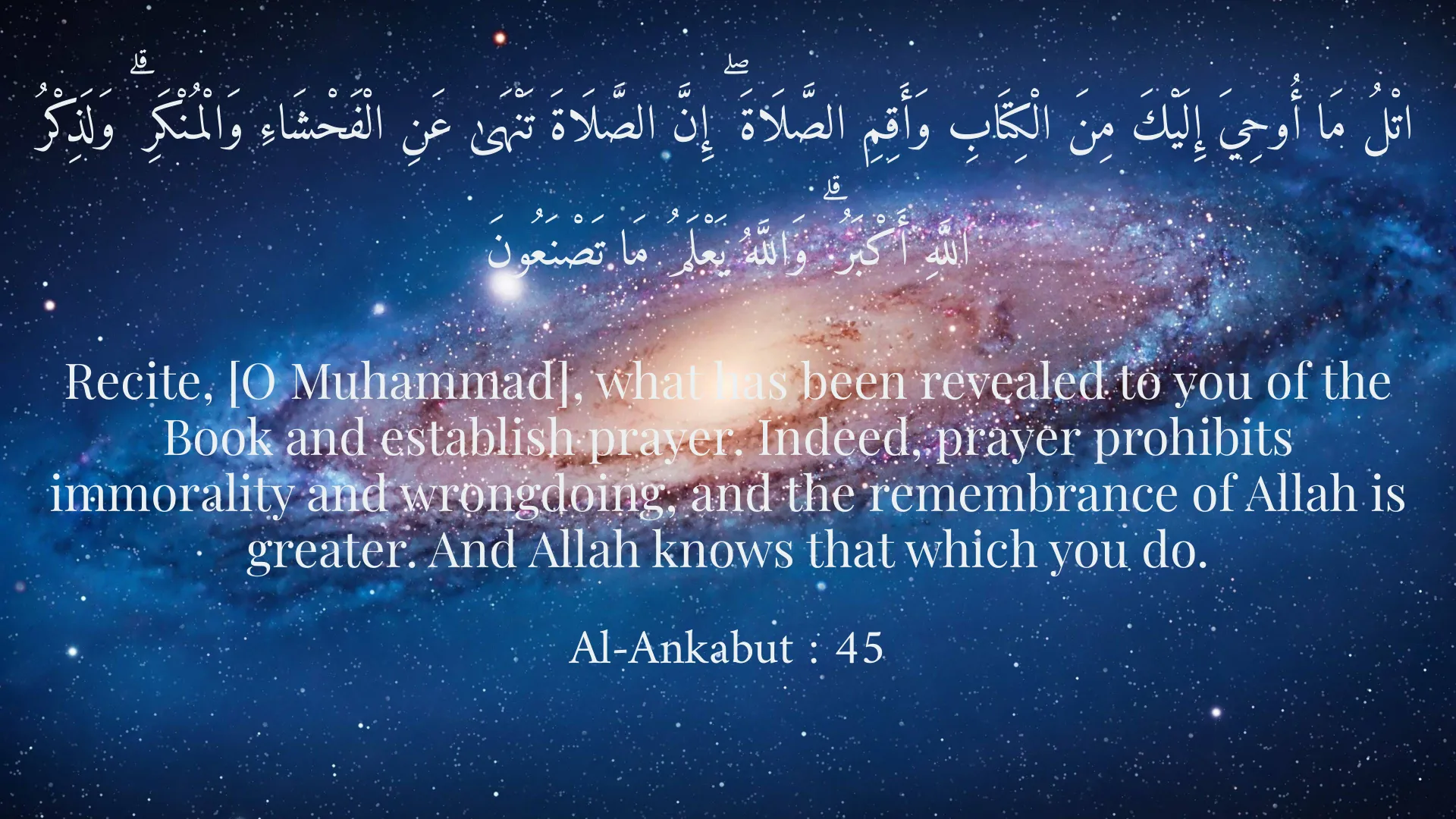
اتْلُ مَا أُوحِيَ إِلَيْكَ مِنَ الْكِتَابِ وَأَقِمِ الصَّلَاةَ ۖ إِنَّ الصَّلَاةَ تَنْهَىٰ عَنِ الْفَحْشَاءِ وَالْمُنْكَرِ ۗ وَلَذِكْرُ اللَّهِ أَكْبَرُ ۗ وَاللَّهُ يَعْلَمُ مَا تَصْنَعُونَ
Recite, [O Muhammad], what has been revealed to you of the Book and establish prayer. Indeed, prayer prohibits immorality and wrongdoing, and the remembrance of Allah is greater. And Allah knows that which you do.
Al-Ankabut : 45
لَهُ مُعَقِّبَاتٌ مِنْ بَيْنِ يَدَيْهِ وَمِنْ خَلْفِهِ يَحْفَظُونَهُ مِنْ أَمْرِ اللَّهِ ۗ إِنَّ اللَّهَ لَا يُغَيِّرُ مَا بِقَوْمٍ حَتَّىٰ يُغَيِّرُوا مَا بِأَنْفُسِهِمْ ۗ وَإِذَا أَرَادَ اللَّهُ بِقَوْمٍ سُوءًا فَلَا مَرَدَّ لَهُ ۚ وَمَا لَهُمْ مِنْ دُونِهِ مِنْ وَالٍ
For him [i.e., man] are successive [angels] before him and behind him who protect him by the command of Allah. Indeed, Allah will not change the condition of a people until they change what is in themselves. And when Allah intends for a people ill, there is no repelling it, and there is not for them besides Him any patron.
Ar-Ra'd : 11
وَإِذَا سَأَلَكَ عِبَادِي عَنِّي فَإِنِّي قَرِيبٌ ۖ أُجِيبُ دَعْوَةَ الدَّاعِ إِذَا دَعَانِ ۖ فَلْيَسْتَجِيبُوا لِي وَلْيُؤْمِنُوا بِي لَعَلَّهُمْ يَرْشُدُونَ
And when My servants ask you, [O Muhammad], concerning Me - indeed I am near. I respond to the invocation of the supplicant when he calls upon Me. So let them respond to Me [by obedience] and believe in Me that they may be [rightly] guided.
Al-Baqarah : 186
Short Story
It is narrated that a pious man would go to the mosque every day, perform his prayers with utmost devotion, and offer many supplications. However, one of his keen-sighted disciples observed that in his daily life, this man remained ill-tempered and impatient, and occasionally his tongue would turn to backbiting. One day, the disciple asked him, "O Sheikh, your prayers and supplications are evident to us, but why are their fruits not manifest in your character?" The Sheikh sighed and said, "My son, prayer and supplication are like seeds, and our heart is like the soil. If we do not cleanse the soil of our heart from the thorns and weeds of bad habits and heedlessness, and water it with presence and contemplation, that good seed will not bear fruit. I am busy sowing, but I am still in the process of clearing the land of my heart. I pray that God helps me so that my outer and inner selves become one, and my prayers and supplications find roots deep within my being, connecting me to the source of all goodness."