Quranic Answer
Your question touches upon one of the deepest and most common spiritual dilemmas faced by many believers. The fact that a person, despite performing prayers (Salah), fasting (Sawm), and engaging in other acts of worship, sometimes falls into error and sin, is not necessarily indicative of a flaw in their faith. Rather, it reflects a profound understanding of the complex nature of humanity and the continuous inner struggle that every individual faces. The Holy Quran addresses this issue with unique insight, outlining various reasons for such occurrences, while also offering solutions to help believers remain steadfast on this challenging path. To comprehend this phenomenon, we must consider several key aspects highlighted in divine revelations. The first and most crucial aspect is the very nature of human beings. Allah states in the Quran that humanity is inherently weak, hasty, and prone to forgetfulness and heedlessness. The 'nafs al-ammarah bis-su'' (the commanding self that incites to evil) is an inseparable part of human existence, constantly inclining towards worldly desires and pleasures. This inclination sometimes leads individuals to commit acts that contradict religious teachings. This internal struggle is an ongoing battle, known in Islamic terminology as 'Jihad al-Akbar' or the greater jihad – the struggle against one's own self. Worship, fundamentally, serves as a tool to strengthen the spirit and control these carnal desires. However, this control is a gradual process that demands constant vigilance. As stated in Surah Yusuf, verse 53: “And I do not acquit myself. Indeed, the soul is a persistent enjointer of evil, except for what my Lord has mercy upon. Indeed, my Lord is Forgiving and Merciful.” This verse clearly indicates the presence of a self that inclines towards evil unless it is encompassed by divine mercy. The second aspect is the role of Satan (Shaytan). From the very beginning, Iblis harbored animosity towards humanity and vowed to mislead people from the straight path. Through subtle and overt whispers (waswas al-khannas), he infiltrates the heart and mind of individuals, exploiting their weaknesses, desires, and moments of heedlessness to tempt them into sin. Satan never forces anyone to sin; rather, he beautifies evil and distorts good, paving the way for transgression. He never ceases to tempt, and even the most devout servants are not safe from his insidious whispers. This is where the importance of seeking Allah's help and refuge from Satan becomes evident. In Surah An-Nas, we are taught to seek refuge with Allah from the whispering tempter who withdraws. The third point concerns the quality of worship. Worship is not merely a series of physical movements and recitations; it must be accompanied by presence of heart, sincere intention, and genuine devotion to Allah. While prayers, fasting, and other acts of worship may be outwardly performed, if they do not inwardly impact the heart and foster greater piety (taqwa) and awareness of Allah's presence, they might not possess the full deterrent power against sin. The Holy Quran, in Surah Al-Ankabut, verse 45, states: “Recite, [O Muhammad], what has been revealed to you of the Book and establish prayer. Indeed, prayer prohibits immorality and wrongdoing, and the remembrance of Allah is greater. And Allah knows that which you do.” This verse explicitly declares that prayer restrains from indecency and evil. But then, why do we sometimes sin despite praying? The answer lies in the depth of devotion. The more prayer is performed with humility, reverence (khushu'), and true attention, the greater its deterrent effect will be. If prayer becomes a mere habit devoid of true presence of heart, it may not be able to establish a strong barrier against temptations and carnal desires. The fourth reason is heedlessness and forgetfulness (ghaflah). In their daily lives, people become engrossed in various material and worldly matters, sometimes forgetting Allah and their ultimate purpose of creation. This heedlessness is an opening through which Satan enters, leading individuals toward sin. Regular acts of worship, such as daily prayers, are designed to combat this heedlessness and maintain a continuous connection with Allah, ensuring that one always remembers their noble purpose. However, if vigilance and mindfulness are not sustained outside the times of worship, the possibility of falling into sin remains. Finally, it must be understood that Allah has created humanity with the capacity for repentance and return. Even if an individual sins despite worshipping, the doors of divine mercy are always open to them. Islam teaches that no sin is too great to be forgiven, except for shirk (associating partners with Allah). Sincere repentance, regret over the sin, and a firm resolve not to return to it can erase sins. This offers hope to humanity, ensuring that every time one stumbles, they can rise again and return to Allah. Surah Az-Zumar, verse 53, beautifully articulates this truth: “Say, 'O My servants who have transgressed against themselves [by sinning], do not despair of the mercy of Allah. Indeed, Allah forgives all sins. Indeed, it is He who is the Forgiving, the Merciful.'” Therefore, sinning despite worship is a sign of the constant human struggle against the self and Satan. Worship is the antidote to these temptations and a strengthener of the spirit, but for full effectiveness, it requires sincerity, presence of heart, and continuous vigilance. This challenge is not a reason for despair; rather, it is an opportunity for spiritual growth, increased repentance and seeking forgiveness, and greater reliance on divine help. This path is not one-sided, and Allah constantly calls His servants towards forgiveness and return, so that through effort and striving, they may attain closeness to Him.
Related Verses
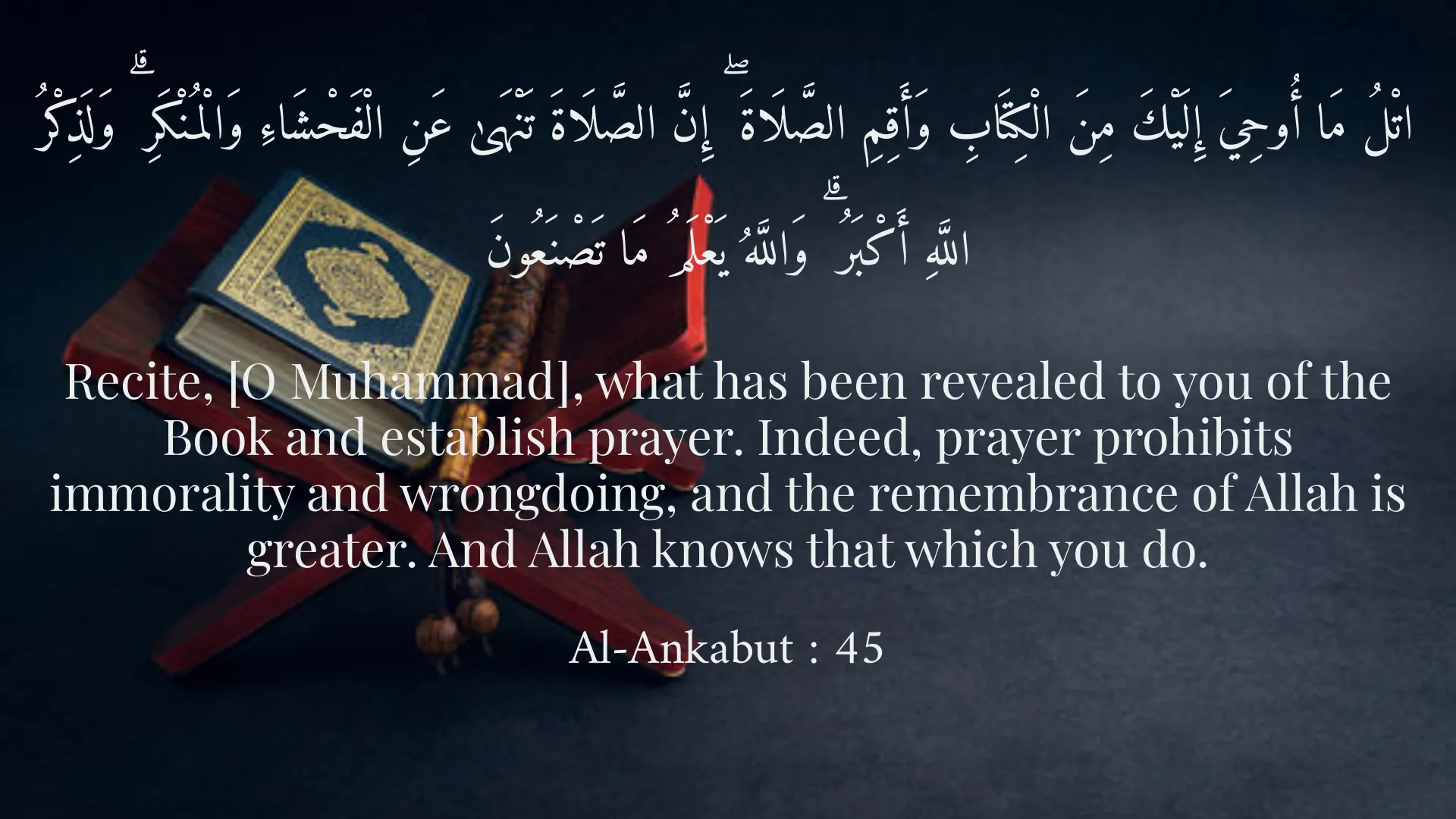
اتْلُ مَا أُوحِيَ إِلَيْكَ مِنَ الْكِتَابِ وَأَقِمِ الصَّلَاةَ ۖ إِنَّ الصَّلَاةَ تَنْهَىٰ عَنِ الْفَحْشَاءِ وَالْمُنْكَرِ ۗ وَلَذِكْرُ اللَّهِ أَكْبَرُ ۗ وَاللَّهُ يَعْلَمُ مَا تَصْنَعُونَ
Recite, [O Muhammad], what has been revealed to you of the Book and establish prayer. Indeed, prayer prohibits immorality and wrongdoing, and the remembrance of Allah is greater. And Allah knows that which you do.
Al-Ankabut : 45
وَمَا أُبَرِّئُ نَفْسِي ۚ إِنَّ النَّفْسَ لَأَمَّارَةٌ بِالسُّوءِ إِلَّا مَا رَحِمَ رَبِّي ۚ إِنَّ رَبِّي غَفُورٌ رَّحِيمٌ
And I do not acquit myself. Indeed, the soul is a persistent enjointer of evil, except for what my Lord has mercy upon. Indeed, my Lord is Forgiving and Merciful.
Yusuf : 53
قُلْ يَا عِبَادِيَ الَّذِينَ أَسْرَفُوا عَلَىٰ أَنفُسِهِمْ لَا تَقْنَطُوا مِن رَّحْمَةِ اللَّهِ ۚ إِنَّ اللَّهَ يَغْفِرُ الذُّنُوبَ جَمِيعًا ۚ إِنَّهُ هُوَ الْغَفُورُ الرَّحِيمُ
Say, 'O My servants who have transgressed against themselves [by sinning], do not despair of the mercy of Allah. Indeed, Allah forgives all sins. Indeed, it is He who is the Forgiving, the Merciful.'
Az-Zumar : 53
Short Story
It is narrated that a pious dervish spent forty years in a mosque, devoted to worship and shunning worldly affairs. One day, Satan approached him, inviting him to vanity and pride, whispering: "You who perform such devotion, how is it that you have not yet reached the rank of the saints?" The dervish, angered by this temptation, cried out: "Begone, accursed one!" and considered himself sinful for even a speck of pride entering his heart. Immediately, he repented to God and prostrated himself. From then on, even at the peak of his devotion, he did not consider himself immune from sin and always sought God's protection, for he knew that a moment of heedlessness could lead a servant astray, and even worship, if mingled with pride, could become a veil. He understood that the struggle against the self and inner temptations is an eternal jihad, and piety requires constant vigilance, not just during periods of worship. And this became his life's lesson: whenever a stumble occurred, the path back to God was always open, and divine mercy is boundless.