Quranic Answer
The feeling of ineffectiveness in worship is an experience many believers encounter on their spiritual journey. It's not a cause for alarm, but rather an opportunity for reflection and reassessment of one's relationship with the Almighty. While the Holy Quran doesn't directly address the term 'ineffectiveness of worship,' it provides principles and guidance that help a believer deepen their acts of devotion and reap their spiritual fruits. The root of this feeling often lies in factors such as a lack of sincerity, absence of heart, impact of sins, and an insufficient understanding of the philosophy of worship. To better comprehend this, we must examine the various dimensions of worship within Quranic teachings. The first and most crucial factor in the effectiveness of worship is 'sincerity' (Ikhlas). The Quran emphasizes the importance of sincerity in numerous verses. In Surah Al-Bayyinah, verse 5, Allah says: "And they were not commanded except to worship Allah, [being] sincere to Him in religion, inclining to truth, and to establish prayer and to give zakah. And that is the correct religion." This verse clearly states that the foundation of all worship is pure intention for the sake of Allah alone. If worship is performed merely to be seen by others (riya), or out of habit without genuine heart-felt attention, it loses its essence and its spiritual impact diminishes. Sincerity means that all of one's attention and intention during worship are directed towards the pure essence of God, free from any self-serving or worldly impurities. The second factor is 'presence of heart' (Hudhur al-Qalb) and genuine remembrance (Dhikr). In Surah Al-Ankabut, verse 45, the Quran states: "Recite what has been revealed to you of the Book and establish prayer. Indeed, prayer prohibits immorality and wrongdoing, and the remembrance of Allah is greater. And Allah knows that which you do." This verse indicates that true prayer has a deterrent effect against sins and evil deeds. If prayer, or any other act of worship, does not have such an impact on an individual's life, it is a sign of a lack of presence of heart and heedlessness during worship. Merely performing physical movements and reciting words, without understanding their meanings and focusing on Allah, transforms worship into a soulless ritual. The remembrance of Allah is not merely repeating His names, but a continuous presence of His memory and greatness in one's heart and soul, leading to inner peace and tranquility, as stated in Surah Ar-Ra'd, verse 28: "Unquestionably, by the remembrance of Allah hearts are assured." The third factor is the 'impact of sins and transgressions' on the heart and soul. Although the Quran does not explicitly state that sins invalidate worship, it clearly mentions that sins 'stain' or 'rust' the heart. In Surah Al-Mutaffifin, verse 14, we read: "No! Rather, the stain has covered their hearts from that which they were earning." These stains prevent the reception of divine light and the effectiveness of worship. The more sins one commits and fails to repent and seek forgiveness, the greater the distance from God becomes, and the more lifeless and ineffective their worship appears. Repentance (Tawbah) and returning to Allah are key to removing these stains and restoring vitality to worship. Fourthly, it's about the 'quality of worship,' not merely its quantity. In Surah Al-Hajj, verse 37, regarding sacrifices, the Quran states: "Their meat will not reach Allah, nor will their blood, but what reaches Him is piety from you." This verse demonstrates that the value of deeds in the sight of Allah is not in their outward appearance or quantity, but in their piety (Taqwa), sincerity, and inner quality. One prostration (rak'ah) performed with full presence of heart and complete sincerity might be worth more than thousands of soulless prostrations performed out of habit. Therefore, the focus should be on deepening worship and immersing oneself in its meaning. Fifth, 'perseverance and consistency' in worship are vital. Sometimes, the effects of worship do not appear immediately and require patience and steadfastness. Like a seed that is planted, the fruits of worship emerge over time with care and nourishment (consistency). In Surah Al-Baqarah, verse 153, it is stated: "O you who have believed, seek help through patience and prayer. Indeed, Allah is with the patient." This verse considers prayer as a means of seeking help and places it alongside patience, both of which require continuity and endurance. Therefore, one should not despair over the temporary ineffectiveness of worship but should continue with perseverance and strive to remove internal obstacles, awaiting its fruits. Ultimately, the true effectiveness of worship means transformation of character, purification from moral vices, closeness to Allah, and a sense of inner peace. If our acts of worship do not bring these fruits, we must turn inward and examine: Have we possessed sufficient sincerity? Have we approached the divine presence with a present heart? Have sins created a barrier? And have we truly understood the place of worship in our lives? Rectifying these issues is the path to transforming seemingly ineffective acts of worship into a gushing spring of light and spirituality that can revolutionize one's worldly and otherworldly life.
Related Verses
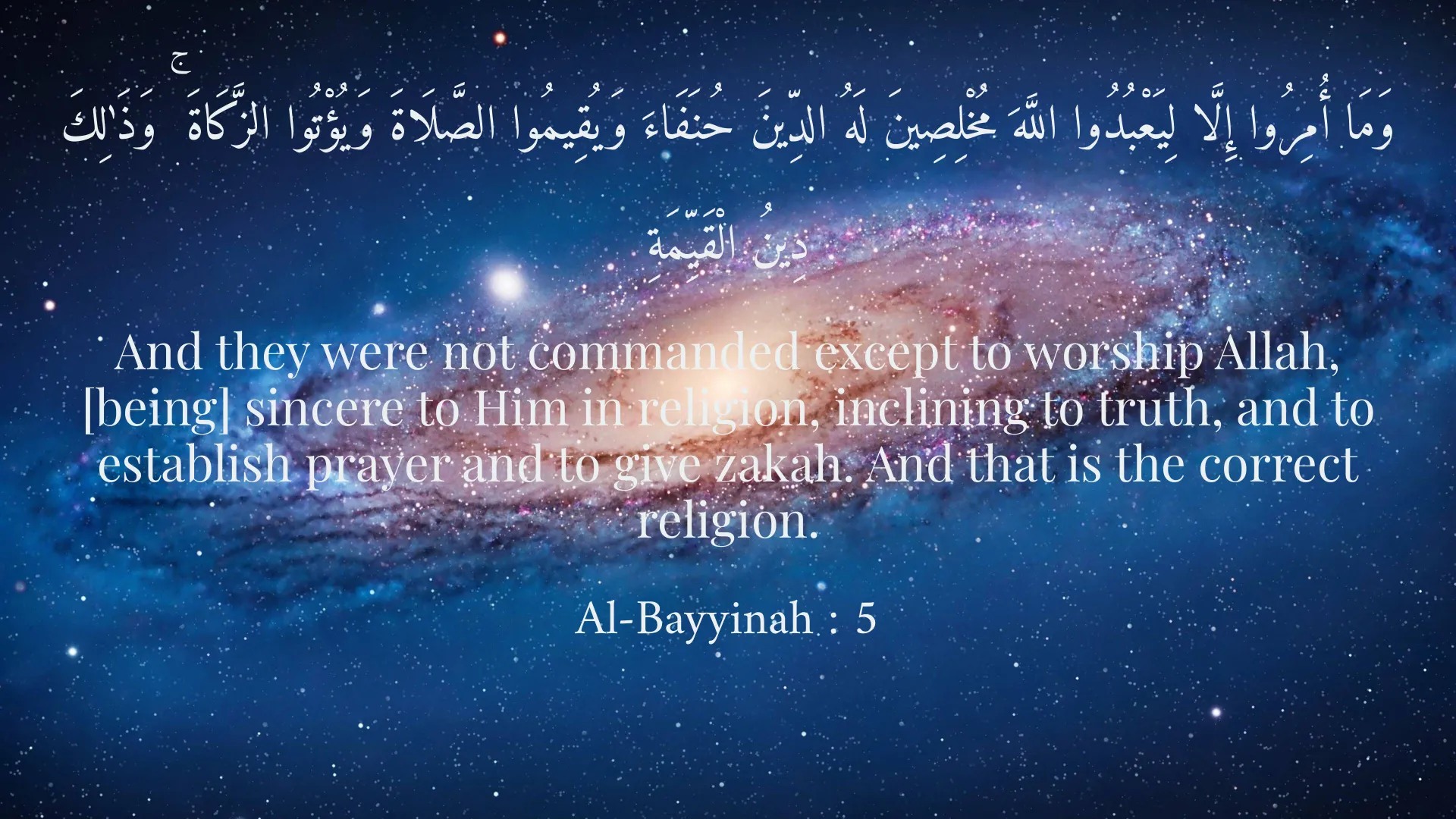
وَمَا أُمِرُوا إِلَّا لِيَعْبُدُوا اللَّهَ مُخْلِصِينَ لَهُ الدِّينَ حُنَفَاءَ وَيُقِيمُوا الصَّلَاةَ وَيُؤْتُوا الزَّكَاةَ ۚ وَذَٰلِكَ دِينُ الْقَيِّمَةِ
And they were not commanded except to worship Allah, [being] sincere to Him in religion, inclining to truth, and to establish prayer and to give zakah. And that is the correct religion.
Al-Bayyinah : 5
اتْلُ مَا أُوحِيَ إِلَيْكَ مِنَ الْكِتَابِ وَأَقِمِ الصَّلَاةَ ۖ إِنَّ الصَّلَاةَ تَنْهَىٰ عَنِ الْفَحْشَاءِ وَالْمُنكَرِ ۗ وَلَذِكْرُ اللَّهِ أَكْبَرُ ۗ وَاللَّهُ يَعْلَمُ مَا تَصْنَعُونَ
Recite what has been revealed to you of the Book and establish prayer. Indeed, prayer prohibits immorality and wrongdoing, and the remembrance of Allah is greater. And Allah knows that which you do.
Al-Ankabut : 45
كَلَّا ۖ بَلْ ۜ رَانَ عَلَىٰ قُلُوبِهِم مَّا كَانُوا يَكْسِبُونَ
No! Rather, the stain has covered their hearts from that which they were earning.
Al-Mutaffifin : 14
Short Story
They say that in ancient times, there was a devout man who would go to the mosque daily and perform his prayers with great precision and length. However, in his daily dealings with people, he was somewhat strict and at times unjust. On the other hand, an unknown man lived in the same town who perhaps did not perform lengthy prayers, but his heart was full of love for God's creation. Whenever he found an opportunity, he would help the needy and never hurt anyone. One day, Sheikh Saadi inquired about the devout man and remarked: “His prayer is good, but its effect on his character is unseen.” He then added: “That unknown man, though he may appear less outwardly devout, his acts of worship arise from the depths of his heart, and every act of help from him is worth a thousand hypocritical prayers. Worship is not merely in bowing and prostrating, but in sincerity and purity of heart, which transforms life and bestows light upon the soul.”