Quranic Answer
The experience of losing spiritual fervor and feeling unmoved by acts of worship is a common phenomenon for many seekers and believers on their spiritual journey. This profound and important question indicates a vigilant heart searching for deeper meaning in spiritual life. The Holy Quran, which is a book of guidance and healing for hearts, directly and indirectly addresses these spiritual states and offers solutions to restore freshness and vitality to acts of worship. This spiritual indifference or numbness often stems from factors that can be analyzed from a Quranic perspective, followed by Quranic remedies to revitalize the spirit of spiritual practices. One of the primary reasons the Quran points to, which can lead to the loss of impact of spiritual acts, is "heedlessness" (Ghaflah) and excessive engagement with worldly affairs. In numerous verses, Allah warns humanity against heedlessness and describes this world as a fleeting and transient provision. When a person's heart becomes engrossed in the glitter of the world, material competitions, and ephemeral concerns, there is little room left for presence of mind and concentration on spiritual matters. In Surah Al-Hadid, verse 20, Allah states: "Know that the life of this world is only play and amusement, and adornment and boasting among yourselves, and rivalry in respect of wealth and children..." This verse clearly indicates that being submerged in materialism and forgetting the primary purpose of creation can prevent the heart from spiritual receptivity. Drowning in daily routines and pursuing materialistic goals gradually casts a veil over the heart, preventing it from perceiving divine light and understanding the profoundness of devotional acts. Prayer, supplication, and Quranic recitation, which are meant to be bridges to connect with the divine realm, turn into lifeless habits because the mind and heart are preoccupied with other matters. Another significant factor is "sins and disobedience." The Holy Quran refers to the impact of sins on the human heart. In Surah Al-Mutaffifin, verse 14, it states: "No, but that which they used to earn has stained their hearts." This "stain" is the darkness and turbidity that sins cast upon the mirror of the heart, preventing it from reflecting divine light and hindering the effectiveness of good deeds. When a person commits sins, they gradually lose their spiritual sensitivity. The repetition of minor or major sins hardens and burdens the heart to the extent that it no longer derives pleasure from reciting Quranic verses or performing acts of worship, and may even lose the feeling of remorse. Purity of the soul from the defilement of sins is an essential condition for understanding the spiritual depth of actions. "Lack of sincerity" (Ikhlas) and hypocrisy can also nullify the impact of spiritual acts. The Quran heavily emphasizes purity of intention in all actions. If an act is performed to gain people's approval or for showing off, even if it appears good externally, it will hold no value in the sight of Allah and consequently will not have any impact on the soul of the doer. Surah Al-Bayyinah, verse 5, states: "And they were not commanded except to worship Allah, [being] sincerely obedient to Him, inclining to truth, and to establish prayer and to give zakat. And that is the correct religion." When an act is not done for the sake of Allah, the connection is severed, and its spiritual light does not reach the seeker's heart. This lack of sincerity may not always be conscious; sometimes, unintentionally, even in good deeds, a trace of seeking approval from other than Allah enters the intention, and this minute trace can negate great effects. "Lack of deep reflection" (Tadabbur) on divine verses and the meanings of devotional acts is yet another factor. The Holy Quran repeatedly invites humanity to ponder over creation, divine signs, and the profound meanings of revelation. When prayer becomes merely repetitive movements and words, or Quranic recitation occurs without understanding its meanings, it is natural that it will not have a deep impact on the heart. In Surah Muhammad, verse 24, it asks: "Do they not then reflect upon the Qur'an, or are there locks upon [their] hearts?" This verse indicates that reflection is a key to unlocking hearts. If the heart does not connect with the meanings of divine speech and the philosophy behind acts of worship, the spirit of these acts will not come alive. Now that we have understood the factors leading to the loss of spiritual impact of actions, we must address the Quranic remedies to revive them: 1. Return to the Remembrance of Allah (Dhikr) and Repentance (Tawbah): The Holy Quran states that the remembrance of Allah brings tranquility to hearts. "Those who have believed and whose hearts are assured by the remembrance of Allah. Unquestionably, by the remembrance of Allah hearts are assured." (Surah Ar-Ra'd, verse 28). Dhikr is not merely repeating words; it means a constant presence of mind towards Allah in all circumstances. Alongside Dhikr, repentance for sins and seeking forgiveness purifies the heart's "stain" and prepares it again to receive divine blessings. Allah says in Surah Al-Baqarah, verse 222: "Indeed, Allah loves those who are constantly repentant and loves those who purify themselves." True repentance means regretting the past, abandoning sin in the present, and resolving not to return to it in the future. 2. Deepening Understanding and Reflection (Tadabbur) on the Quran and the Meanings of Worship: As mentioned, a profound understanding of Quranic verses and the philosophy behind prayer, supplication, and other acts of worship transforms an act from a mere habit into a spiritual experience. Dedicate time to study the Quranic exegesis, ethical and spiritual books, and ponder over the meanings of supplications. This reflection unveils divine wisdoms and draws the heart towards the light of guidance. 3. Increasing Sincerity (Ikhlas) and Avoiding Hypocrisy: Purify your intention and consider only the pleasure of Allah in your actions. This requires constant self-monitoring and accountability (Muhasabah). Ask yourself: "For whom am I doing this act?" If the answer is not "Allah," you must reconsider your intention. Sincerity is the essence of deeds that imbues them with spirit and light. Even if it seems difficult initially, with practice and constant remembrance of Allah's presence, this state can be achieved. 4. Reducing Worldly Attachments: This does not mean abandoning the world, but rather avoiding excessive attachment to it. Consider the world as a field for the hereafter and utilize it to attain proximity to Allah. Redefine your values and understand that wealth, children, and status are all but tests. Surah At-Tawbah, verse 24, beautifully expresses this prioritization: "Say, [O Muhammad], 'If your fathers, your sons, your brothers, your wives, your relatives, wealth which you have gained, commerce wherein you fear decline, and dwellings with which you are pleased are more beloved to you than Allah and His Messenger and jihad in His cause, then wait until Allah executes His command. And Allah does not guide the defiantly disobedient people.'" This verse clearly shows that worldly attachments should not take precedence over the love of Allah. 5. Patience (Sabr) and Perseverance (Istiqamah): The spiritual path is full of ups and downs. Moments of peak and valley are natural. One must endure these phases with patience and perseverance, seeking help through prayer and reliance on Allah. Surah Al-Baqarah, verse 153, states: "O you who have believed, seek help through patience and prayer. Indeed, Allah is with the patient." This verse provides a practical solution for dealing with difficulties and spiritual weariness on the spiritual journey. 6. Companionship with the Righteous and People of Knowledge: Associating with those whose hearts are alive with the remembrance of Allah can have a significant impact on reviving spiritual vitality. Through their words and deeds, they keep the remembrance of Allah alive in one's heart and guide them towards goodness. Ultimately, this state of spiritual apathy should not be a cause for despair, but rather be seen as a wake-up call and an opportunity to re-evaluate and deepen one's connection with Allah. Allah is more merciful than to abandon His servant in this state. He has always kept the door of return and reform open. Through repentance, sincerity, reflection, and striving, one can once again taste the true sweetness and joy of spiritual acts and fill the heart with divine light and tranquility. This is a continuous journey that requires constant vigilance and effort. Let us remember that Allah is near and answers our prayers, and whenever we return to Him, He will welcome us with open arms.
Related Verses
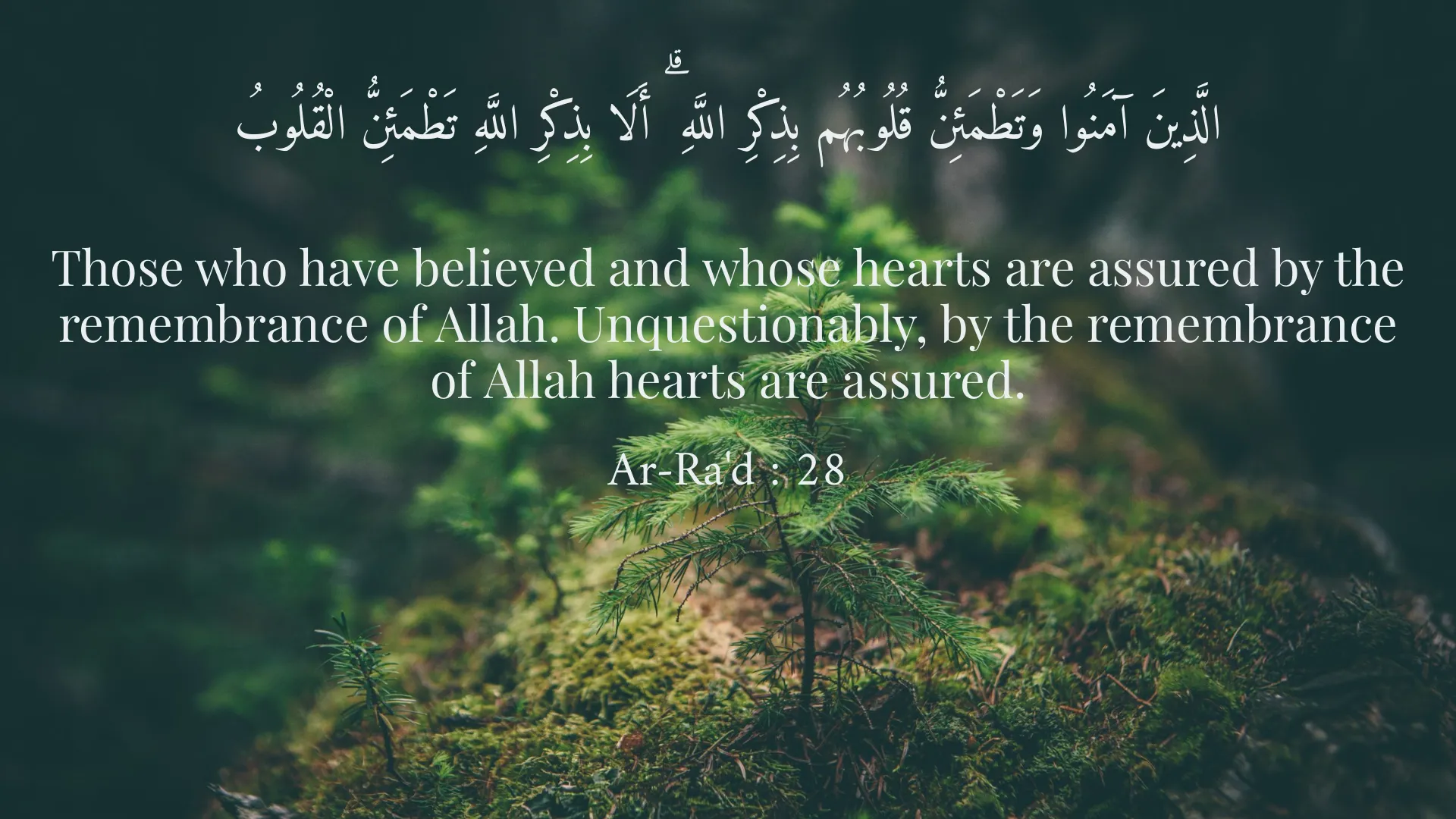
الَّذِينَ آمَنُوا وَتَطْمَئِنُّ قُلُوبُهُم بِذِكْرِ اللَّهِ ۗ أَلَا بِذِكْرِ اللَّهِ تَطْمَئِنُّ الْقُلُوبُ
Those who have believed and whose hearts are assured by the remembrance of Allah. Unquestionably, by the remembrance of Allah hearts are assured.
Ar-Ra'd : 28
كَلَّا بَلْ رَانَ عَلَى قُلُوبِهِم مَّا كَانُوا يَكْسِبُونَ
No, but that which they used to earn has stained their hearts.
Al-Mutaffifin : 14
أَفَلَا يَتَدَبَّرُونَ الْقُرْآنَ أَمْ عَلَى قُلُوبٍ أَقْفَالُهَا
Do they not then reflect upon the Qur'an, or are there locks upon [their] hearts?
Muhammad : 24
قُلْ إِن كَانَ آبَاؤُكُمْ وَأَبْنَاؤُكُمْ وَإِخْوَانُكُمْ وَأَزْوَاجُكُمْ وَعَشِيرَتُكُمْ وَأَمْوَالٌ اقْتَرَفْتُمُوهَا وَتِجَارَةٌ تَخْشَوْنَ كَسَادَهَا وَمَسَاكِنُ تَرْضَوْنَهَا أَحَبَّ إِلَيْكُم مِّنَ اللَّهِ وَرَسُولِهِ وَجِهَادٍ فِي سَبِيلِهِ فَتَرَبَّصُوا حَتَّى يَأْتِيَ اللَّهُ بِأَمْرِهِ ۗ وَاللَّهُ لَا يَهْدِي الْقَوْمَ الْفَاسِقِينَ
Say, [O Muhammad], 'If your fathers, your sons, your brothers, your wives, your relatives, wealth which you have gained, commerce wherein you fear decline, and dwellings with which you are pleased are more beloved to you than Allah and His Messenger and jihad in His cause, then wait until Allah executes His command. And Allah does not guide the defiantly disobedient people.'
At-Tawbah : 24
Short Story
One day, a king was passing by the hermitage of an ascetic renowned for his night vigils and fasting. The ascetic was crying out loudly in prayer, lamenting: "O Lord, forgive my sins, for I am but a humble and error-prone servant!" The king was greatly astonished by these words and thought to himself: "This ascetic, so famous for his piety and devotion, repents of his sins in such a manner. What then is the state of us, the heedless and unaware?" A dervish who was nearby heard the king's words and said with a kind smile: "O King! Sometimes, the conceit and pride stemming from good deeds can be a greater sin than the unintentional errors of the heedless. Perhaps these tears shed by the ascetic are not for his sins, but for gaining people's admiration. Remember, true humility and heartfelt repentance are better than a thousand acts of worship performed with pride and self-admiration, which distance the heart from divine grace. Only that act has spirit which is done with sincerity and presence of heart, and truly moves one's soul." This story reminds us that spiritual fervor lies not in the quantity of the deed, but in its quality and sincerity of intention. When an act is merely superficial and the heart is not present within it, it can no longer move us. The heart must be purified from all impurities for the light of spirituality to manifest in it and for us to taste the true joy of worship.