Quranic Answer
The question, "Why do some acts of worship feel lifeless to me?" delves into a profound spiritual concern that many individuals experience at some point in their journey of faith. It points to a disconnect between the outward acts of worship and the inner state of the heart. Worship in Islam is not merely a set of rituals or physical movements; it is intended to be a vibrant, living connection between the servant and the Creator. When this connection feels absent, it often signifies deeper spiritual issues that the Quran, our ultimate guide, addresses comprehensively. Firstly, a primary reason for worship feeling lifeless is the lack of Khushu' (humility and devotion). The Quran emphasizes the significance of Khushu' in prayer. Allah states in Surah Al-Mu'minun (23:1-2): "Indeed, successful are the believers * who are in their prayers humbly submissive." Khushu' is the presence of the heart, the stillness of the limbs, and deep contemplation of what is being recited and done. Without Khushu', prayer becomes a mere physical exercise, a set of robotic movements and recitations that do not transcend the tongue. The heart is the focal point of divine attention, and if it is heedless, engrossed in worldly affairs, worship will fail to penetrate the soul. This worldly preoccupation is one of the greatest barriers to Khushu'. One might enter prayer with a mind cluttered with work concerns, family issues, or anxieties about the future, thus being absent from the true communion with Allah. Secondly, the weakness of Dhikr (remembrance of Allah) outside specific acts of worship contributes significantly to spiritual dryness. The Quran repeatedly stresses the importance of remembering Allah in all states. Allah says in Surah Ar-Ra'd (13:28): "Those who have believed and whose hearts are assured by the remembrance of Allah. Unquestionably, by the remembrance of Allah hearts are assured." A heart that does not remember Allah outside formal prayers and acts of worship tends to become hardened and distant from spirituality. When the remembrance of Allah becomes an integral part of our daily lives, transitioning into a state of worship becomes easier and more natural, and the worship itself becomes a continuation of that constant remembrance. Neglecting Dhikr leads to an accumulation of heedlessness on the heart, making it heavy and unresponsive during acts of worship. Thirdly, the absence or weakness of Ikhlas (sincerity). Sincerity is the essence of worship. It means performing acts of worship solely for the sake of Allah, without any desire for show, reputation, or worldly gain. Allah states in Surah Az-Zumar (39:2): "Indeed, We have sent down to you the Book with the truth, so worship Allah, [being] sincere to Him in religion." And in Surah Al-Bayyinah (98:5): "And they were not commanded except to worship Allah, [being] sincere to Him in religion, inclining to truth, and to establish prayer and to give zakat. And that is the correct religion." When sincerity is diluted with other intentions, or when worship transforms into a mere habit devoid of sincere purpose, it loses its spirit and blessing. Sincerity is the engine that pumps life into worship; without it, actions become hollow movements. Fourthly, the lack of Tadabbur (reflection and contemplation) on the meanings of the invocations and verses recited during worship. The Quran invites us to ponder its verses deeply. Allah says in Surah Muhammad (47:24): "Then do they not reflect upon the Quran, or are there locks upon [their] hearts?" When one prays or recites the Quran without understanding its meanings, they deprive themselves of the river of inspiration and tranquility that flows from these divine words. Understanding the meanings of "Allahu Akbar" (Allah is the Greatest), "Alhamdulillah" (All praise is due to Allah), and "Iyyaka na'budu wa iyyaka nasta'in" (It is You we worship and You we ask for help) transforms worship into a profound and impactful experience, rather than a mere repetition of incomprehensible words. Fifthly, the impact of sins and transgressions. Sins create a veil between the servant and their Lord. They harden the heart and diminish the light of faith and spirituality within it. When a person becomes immersed in sins, they find it extremely difficult to achieve Khushu' in prayer and lose the sweetness of obedience, as their heart becomes clouded by the rust of sins. Sincere repentance (Tawbah) and turning back to Allah are key to removing these veils and restoring vitality to worship. Sixthly, routine and repetition without renewing intention. Over time, acts of worship can become a daily routine, causing the worshipper to lose their initial enthusiasm and sense of renewal. Constantly renewing one's intention (Niyyah), remembering the grandeur of the Creator, and understanding that each act of worship is a new opportunity to draw closer to Him helps maintain the vitality of worship. This renewal means consciously bringing back the initial fervor and acknowledging the privilege of being able to communicate with the Divine. How to Revive the Spirit of Worship: To bring life back into our worship, we must work on several levels, all rooted in Quranic principles: 1. Focus the Heart during Prayer and Worship: Actively try to repel worldly whispers and resist mental distraction by constantly returning to the meanings of what is being said and done, and by visualizing standing before Allah. This requires conscious effort and mindfulness. 2. Increase Dhikr Outside Prayer: Keep the tongue and heart moist with the remembrance of Allah at all times and in all places. This softens the heart and prepares it for Khushu' during formal worship. Make it a habit to say Subhanallah, Alhamdulillah, Allahu Akbar throughout the day. 3. Renew Intention and Correct Sincerity: Before every act of worship, remind yourself why you are doing it – purely for the sake of Allah, not out of habit, show, or obligation alone. Constantly purify your intentions. 4. Contemplate the Meanings of the Quran and Supplications: Read tafsir (explanations of the Quran), attend religious lessons, and ponder the words of Allah. This makes them alive in the heart and fosters a deeper connection. Engage with the Quran as if it's being revealed to you directly. 5. Self-Accountability and Repentance: Regularly examine your conscience and sincerely repent from sins, as sins are the greatest barrier to spirituality. Seek forgiveness frequently. 6. Cultivate Fear and Hope (Khawf wa Raja'): Worship should be performed with a balance of fear of Allah's punishment and hope in His mercy. This balance generates sincere devotion and prevents complacency or despair. 7. Seek Allah's Help and Supplicate (Du'a): Humbly ask Allah to grant you Khushu', sincerity, and presence of heart in your worship. Du'a is the essence of worship itself. 8. Reduce Worldly Preoccupation: Strive for a balance between the demands of this world and the hereafter. Do not let worldly concerns dominate your heart entirely, making it difficult to turn to Allah wholeheartedly. True worship is that which touches the soul, nourishes the heart, and brings about positive change in one's behavior and character. When we feel our worship is lifeless, it is not a deficiency in the worship itself, but an invitation for us to re-evaluate our relationship with Allah, renew our covenant with Him, and seek out the obstacles preventing worship from reaching the depths of our hearts. Allah desires from us humble hearts and present souls, not just hollow movements. He is closer to us than our jugular vein, awaiting our sincere approach.
Related Verses
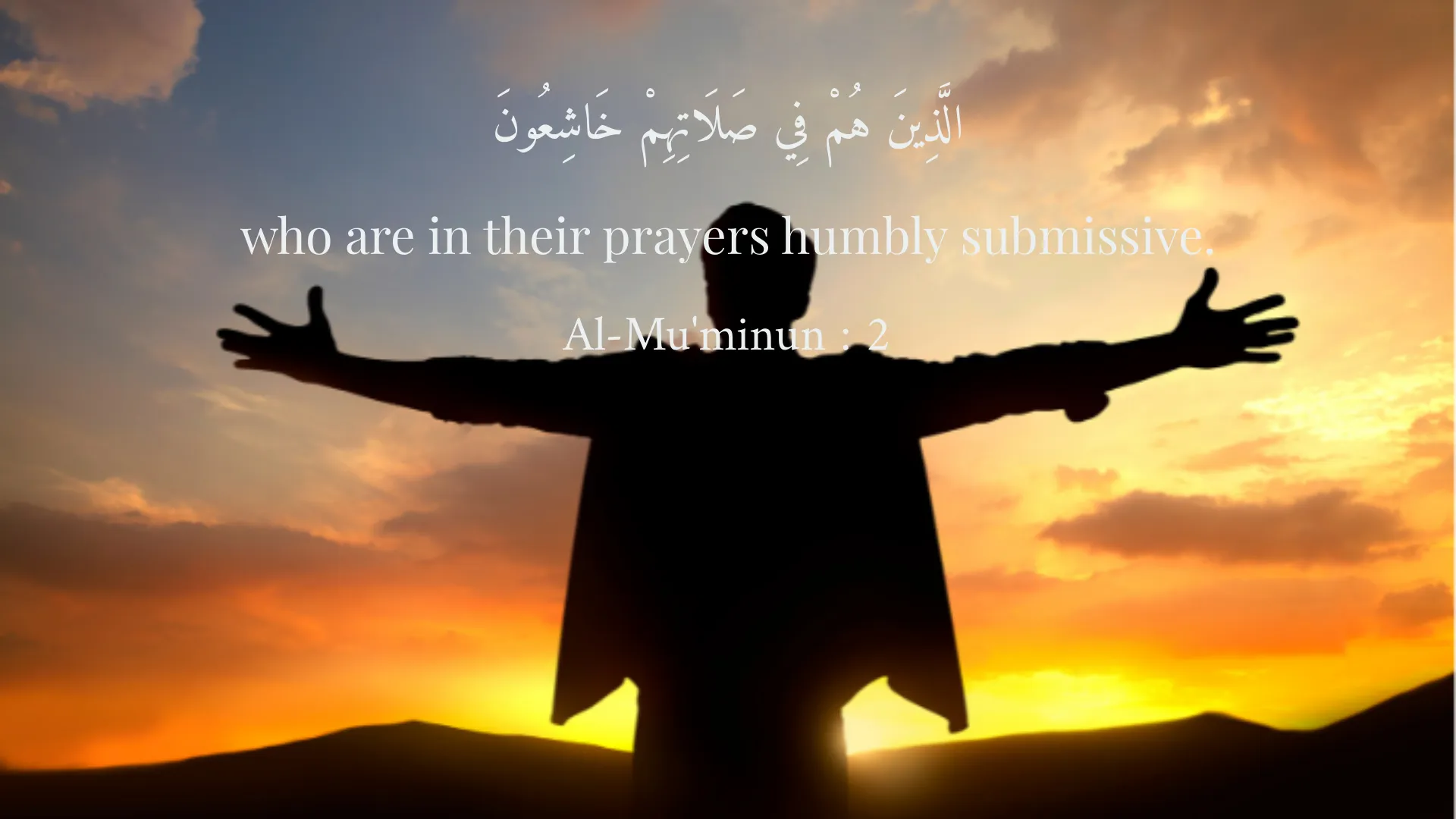
الَّذِينَ هُمْ فِي صَلَاتِهِمْ خَاشِعُونَ
who are in their prayers humbly submissive.
Al-Mu'minun : 2
الَّذِينَ آمَنُوا وَتَطْمَئِنُّ قُلُوبُهُمْ بِذِكْرِ اللَّهِ ۗ أَلَا بِذِكْرِ اللَّهِ تَطْمَئِنُّ الْقُلُوبُ
Those who have believed and whose hearts are assured by the remembrance of Allah. Unquestionably, by the remembrance of Allah hearts are assured.
Ar-Ra'd : 28
إِنَّا أَنزَلْنَا إِلَيْكَ الْكِتَابَ بِالْحَقِّ فَاعْبُدِ اللَّهَ مُخْلِصًا لَّهُ الدِّينَ
Indeed, We have sent down to you the Book with the truth, so worship Allah, [being] sincere to Him in religion.
Az-Zumar : 2
Short Story
It is narrated that in a certain city, there lived a devout man who would go to the mosque daily, performing his prayers with utmost precision and adherence to outward rituals. People praised him and envied his piety. Yet, in the solitude of his heart, he would ponder: "Why does all this worship not bring me profound peace? Why does my heart sometimes wander to the marketplace and my business during prayer, and my soul remain restless?" One day, a wise old man passed by and saw him in this state. He asked, "Young man, why are you so troubled?" The worshipper recounted the tale of his restless heart. The old man smiled and said: "Worship is like a body, and its soul is sincere intention and presence of heart. If the body is lifeless, what benefit can it yield but weariness? Have you ever seen a bird soar with broken wings? If in your heart, Allah is not greater than everything else, and His love and awe do not encompass you, then no matter how much you stand erect or prostrate, you will gain nothing but futile toil. Indeed, the heart is the abode of the Beloved, and it finds peace only in His remembrance." The worshipper understood the old man's words. From then on, he strove to bring not only his body but also his heart to prayer and worship, tasting the sweet flavor of intimate communion, and finding true serenity.