Quranic Answer
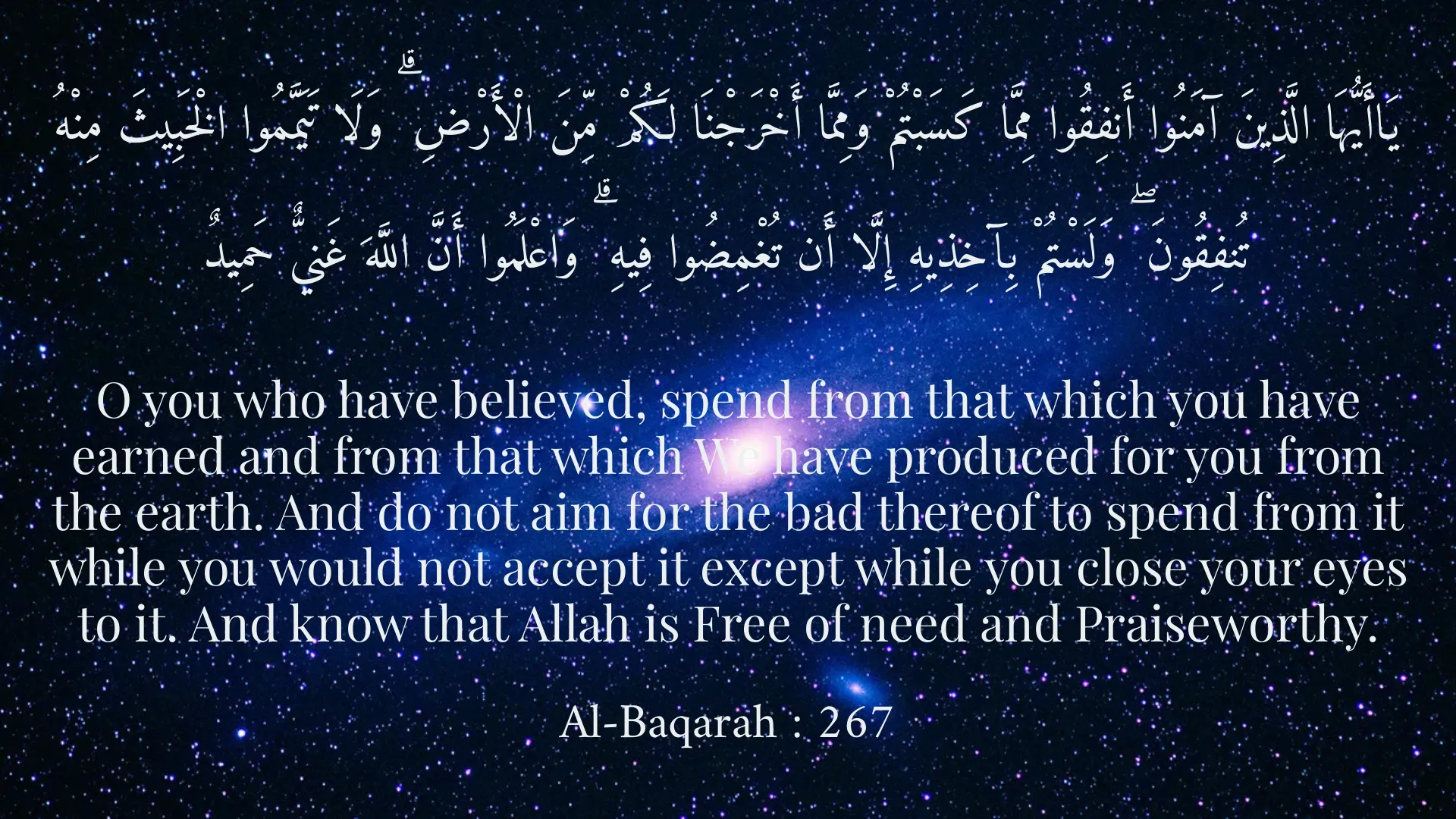
The Quran emphasizes the deep spiritual and metaphysical aspects of worship, where the intention and consciousness behind the acts of worship significantly determine their acceptance and impact on an individual’s life. Worship is not just a set of rituals or practices; it is an embodied means of connecting with the Almighty, and thereby, the nature and quality of one's intention plays a pivotal role in how these acts resonate with the divine. The Quran speaks profoundly about this in various verses, but particularly in Surah Al-Baqarah, verse 267, where Allah draws the believers' attention to the essence of charitable giving and righteous deeds, highlighting the necessity of pure intentions. In this verse, Allah invites believers to contribute to charity and engage in righteous acts, but He also warns that without purity of heart, the true benefits of these actions may remain unattainable. This highlights a crucial distinction between mere external performance and the deeper, internal dimension of worship. The Quran does not merely encourage the outward manifestation of worship; it poses a challenge to believers to examine their inner intentions and the spiritual essence behind their actions. Many people perform acts of worship and charitable actions without fully grasping their deeper significance or the profound meanings behind them. The reality is that superficial engagement with worship practices can lead to a lack of meaningful connection with Allah. This is a vital message conveyed throughout the Quran: sincere intention and consciousness are integral components of worship. Furthermore, in Surah Aal-Imran, verse 29, it is stated that Allah knows what is in your hearts. This not only affirms the all-encompassing nature of Divine knowledge but also underscores the perception of worship from a spiritual lens. It suggests that worship is more than simply going through the motions; rather, it requires a heart that is authentic, full of genuine thoughts, and good intentions. If a worshipper approaches their practices with doubt or insincerity, such worship loses its transformative potential. Thus, believers are encouraged to pay careful attention to the quality and intention behind each act of worship. The correlation between worship and one’s relationship with God cannot be overstated. Intention acts as the bridge linking the worshipper’s heart to the Divine. When an individual engages in worship with sincere intentions, they foster a richer relationship with Allah, consequently enhancing the effectiveness of their worship. This is where the concept of ‘khushu’ or humility in prayer comes into play. A devoted believer who practices mindfulness and is aware of their intentions is likely to experience a more profound spiritual journey. Moreover, the importance of focusing on the meaning behind worship enhances the practical implications of these teachings. Creating a habit of self-reflection and personal development in the consciousness of worship can fortify one’s internal state, thereby assisting them to reap the true spiritual rewards of their acts. Through this intentionality, believers can overcome the barriers of doubt that hinder their spiritual growth. This connection further underscores the need for believers to consistently engage in acts of remembrance and supplication, which fortify the heart’s connection to Allah. In summary, the significance of intention in worship cannot be overstated, as it serves as the foundation upon which the entire experience of worship is built. Striving for purity in intentions, maintaining consciousness during worship, and fostering an intrinsic connection to the Divine are essential elements that determine the effectiveness and depth of one’s spiritual practices. It is only through sincere intentions and a profound understanding of worship that individuals can truly experience the spiritual enlightenment and blessings that arise from their religious duties. Thus, the Quran imparts this timeless wisdom: when individuals worship with authenticity, they do not merely perform rituals; they engage in a life-transforming dialogue with their Creator, which ultimately shapes their journey towards spiritual fulfillment.
Related Verses
يَاأَيُّهَا الَّذِينَ آمَنُوا أَنفِقُوا مِمَّا كَسَبْتُمْ وَمِمَّا أَخْرَجْنَا لَكُمْ مِّنَ الْأَرْضِ ۗ وَلَا تَيَمَّمُوا الْخَبِيثَ مِنْهُ تُنفِقُونَ ۖ وَلَسْتُمْ بِآخِذِيهِ إِلَّا أَن تُغْمِضُوا فِيهِ ۗ وَاعْلَمُوا أَنَّ اللَّهَ غَنيٌّ حَمِيدٌ
O you who have believed, spend from that which you have earned and from that which We have produced for you from the earth. And do not aim for the bad thereof to spend from it while you would not accept it except while you close your eyes to it. And know that Allah is Free of need and Praiseworthy.
Al-Baqarah : 267
قُلْ إِن تُخْفِ مَا فِي قُلُوبِكُمْ أَوْ تُبْدُوهُ يَعْلَمْهُ اللَّهُ ۗ وَيَعْلَمُ مَا فِي السَّمَاوَاتِ وَمَا فِي الْأَرْضِ ۗ وَكَانَ اللَّهُ عَلَى كُلِّ شَيْءٍ قَدِيرًا
Say, 'Whether you conceal what is within yourselves or disclose it, Allah knows it. And He knows whatever is in the heavens and whatever is in the earth. And Allah is, over all things, Competent.'
Al-Imran : 29
Short Story
Once upon a time, there was a young man named Farhad who faced numerous problems in his life due to neglecting the intention behind his worship. He decided to refer to the Quran to find answers for the ineffectiveness of his prayers. After several days of contemplation over the verses, he realized that sincerity and awareness of his actions were the keys to transforming his life. From that day forward, with a pure intention and focus on his worship, he not only felt better but also saw a positive change in his life and attained peace.