Quranic Answer
In the Holy Quran, a sacred text revered by millions around the world, the factors leading to the ineffectiveness of good deeds are extensively discussed. The understanding of these factors is crucial for enhancing the impact of good actions in our lives and for our spiritual growth. This article elucidates the primary factors described in the Quran that can hinder the effectiveness of good deeds: intention, sin, and a lack of mindfulness regarding one's behavior. Each of these aspects is essential to ensure that our efforts in performing good deeds are rewarded and hold significance in the sight of Allah. ### The Importance of Intention The first and most significant factor that can lead to the ineffectiveness of good deeds is the intention behind those actions. Intention is the driving force that determines the value of our deeds in the eyes of Allah. In Surah At-Tawbah, verse 53, Allah states: 'Indeed, they will not escape after the affliction.' This verse serves as a reminder that merely performing good actions is not enough; they must be accompanied by sincere intentions. When individuals perform good deeds with the primary aim of seeking attention or personal gain, their actions lose their true value. For example, if someone donates to charity but only does so to gain social prestige or public acknowledgement, the essence of that good deed diminishes significantly. This principle is echoed in numerous hadiths, where the Prophet Muhammad (peace be upon him) emphasized the necessity of having a pure heart and genuine intentions behind every action. Therefore, it is imperative for individuals to constantly reflect on their motivations and strive to purify their intentions, ensuring that their good deeds are performed solely for the sake of pleasing Allah. ### The Role of Sin and Wrongdoing The second factor that can render good deeds ineffective is the commission of sins and wrongful actions. In Surah Al-Baqarah, verse 25, Allah promises: 'And give good tidings to those who have believed and done righteous deeds that they will have gardens beneath which rivers flow.' This verse emphasizes that faith and righteous deeds must coexist. One cannot expect to reap the rewards of their good actions while simultaneously engaging in sinful behavior. When individuals indulge in sins, they create a barrier between themselves and the acceptance of their good deeds. It is essential to note that no one is free from sin; however, it is the attitude of the individual toward wrongdoing that matters. Someone who sincerely repents and strives to amend their behavior can still expect their good deeds to be significant in the spiritual sense. In contrast, those who indulge in sin while performing good actions without remorse or acknowledgment of their transgressions may find that these deeds do not yield the desired effects. The Quran also warns against hypocrisy in the belief system. Surah Yunus, verse 85 states: 'And when you dispute, do not think that Allah is unaware of what you do.' This emphasizes the importance of accountability in one’s actions. Neglecting one’s inappropriate behavior while expecting good deeds to bear fruit indicates a lack of sincerity and awareness of one's faith. Therefore, it becomes crucial to maintain a lifestyle that reflects piety and adherence to divine commandments to enhance the effectiveness of our good actions. ### Mindfulness and Self-awareness Another aspect that plays a critical role in the ineffectiveness of good deeds is a lack of mindfulness and self-awareness regarding one’s behavior. Individuals often engage in daily activities without reflecting on their actions, which can lead to an unconscious disregard for sin or wrongdoing. Islam places immense importance on self-awareness and reflection as tools for personal growth and spiritual development. Practicing mindfulness allows believers to constantly check their intentions and actions, ensuring that they are aligned with Islamic principles. Self-reflection promotes awareness of one’s shortcomings, encourages repentance, and facilitates the reform of one's character. When an individual strives to be mindful of their actions, they become more inclined to avoid sinful behavior and engage in good deeds with a pure heart. Moreover, being aware of one’s transgressions fosters a sense of humility and gratitude, reminding individuals of the mercy and forgiveness of Allah. This important relationship between self-awareness and good deeds creates a synergistic effect that enhances the spiritual impact of those actions. ### The Path to Effective Good Deeds In conclusion, the effectiveness of good deeds as outlined in the Holy Quran hinges on several fundamental factors: intention, the acknowledgment of sin, and mindfulness regarding one’s behavior. Each of these elements interconnects to form a holistic approach to righteousness, encouraging believers to ensure that their actions reflect their faith. To truly embody the essence of good deeds, it is imperative that individuals focus on cultivating sincere intentions, repenting for any wrongdoing, and maintaining a conscious awareness of their behavior. Only by actively engaging in self-reflection can one enhance the significance of their actions and align them with divine commands. The pursuit of good deeds is not simply about performing acts of charity or kindness; it is a profound journey that requires commitment, sincerity, and a continuous effort to better oneself. Through this dedication to spiritual enhancement, believers can find true fulfillment, grow closer to Allah, and contribute positively to the world around them.
Related Verses
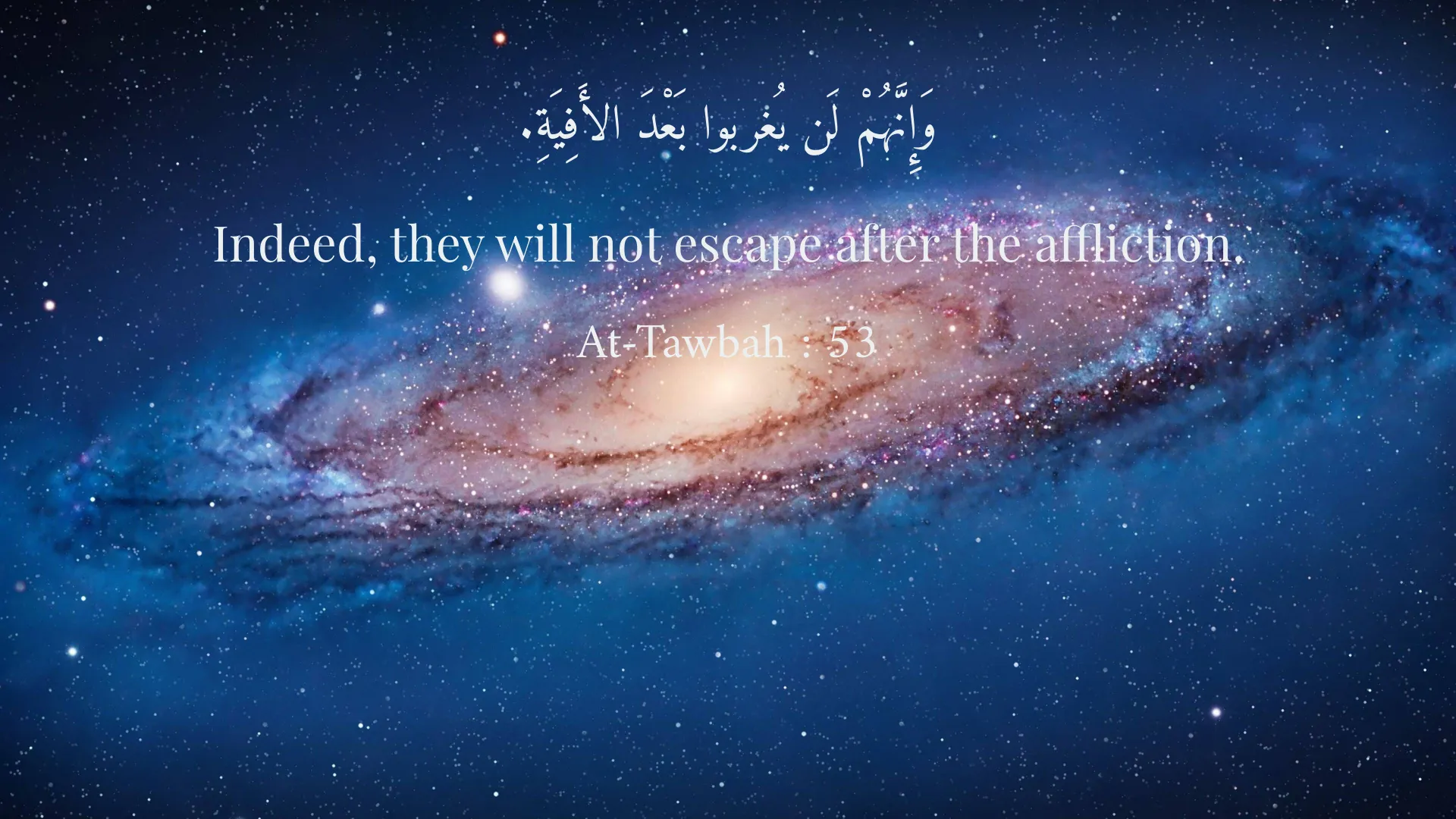
وَإِنَّهُمْ لَن يُغربوا بَعْدَ الأَفِيَةِ.
Indeed, they will not escape after the affliction.
At-Tawbah : 53
وَبَشِّرِ الَّذينَ آمَنوا وَعَمِلُوا الصّالِحاتِ أنَّ لَهُمْ جنّاتٍ تَجْرِي مِن تَحْتِهَا الأَنْهارُ
And give good tidings to those who have believed and done righteous deeds that they will have gardens beneath which rivers flow.
Al-Baqarah : 25
وَإِذَا أَنْتُمْ تَتَمَارَوْنَ فَلا تَحْسَبُوا أَنَّ اللَّهَ غَافِلًا عَمَّا تَعْمَلُونَ.
And when you dispute, do not think that Allah is unaware of what you do.
Yunus : 85
Short Story
One day, a man was walking through the streets and pondering on his intention behind good deeds. He knew that if his intention was not pure, his good deeds would become ineffective. So he decided to work on purifying his heart and ensuring that his intention for every good action was sincere. Days passed, and he noticed how much better his life became, and every good action he performed bore brilliant results.