Quranic Answer
In the Holy Quran, Allah teaches us that hopelessness is one of the worst states humans can fall into. The verse from Surah Az-Zumar, verse 53 states: 'Say, O My servants who have believed, fear your Lord. For those who do good in this world is good, and the earth of Allah is spacious. Indeed, the patient will be given their reward without account.' This verse serves as a profound reminder of the boundless mercy of Allah and encourages us to never fall into despair, regardless of the circumstances we face. Hopelessness is not merely a fleeting emotion; it represents a deeply engrained state of being that can lead individuals down a path of negativity and ultimately despair. It can often stem from a lack of faith in Allah and a misunderstanding of His infinite power and mercy. When we encounter challenges in life, such as financial difficulties, illnesses, or relationship problems, it's easy to become overwhelmed, losing sight of the overall picture and resulting in a spiraling sense of despair. The Quran teaches us that reliance on Allah and the practice of patience is crucial during tough times. This sentiment is echoed in Surah Al-Baqarah, verse 155, where Allah states: 'And We will surely test you with something of fear and hunger and a loss of wealth and lives and fruits, but give good tidings to the patient.' Here, Allah is making it clear that tests and challenges are not anomalies in life but rather an inherent part of the human experience. Life, as proposed in the Quran, is a test. Every individual goes through their share of trials, and these trials are designed to strengthen our iman (faith) and draw us closer to Allah. The hardships we face can serve as reminders of our vulnerabilities and the necessity of turning to Allah for guidance and support. It is through these challenges that we realize how much we need Him in our lives. Losing ourselves in hopelessness often results from forgetting this pivotal truth. Furthermore, the verse from Surah Az-Zumar continues to highlight that those who do good deeds in this world will find goodness. This goodness can come in many forms—spiritual tranquility, inner happiness, or even material blessings. The concept of goodness emphasizes that engaging in righteous actions is not just a means of seeking rewards in the afterlife but also a source of comfort and resilience in this world. Allah urges us to be patient in facing our adversities. Patience, or sabr, is a recurring theme in the Quran and holds significant meaning for Muslims. It is often mentioned in conjunction with seeking assistance through prayer and establishing a connection with Allah. Patience requires strength, and it teaches us that while we may not have control over our situations, we do possess control over how we respond to them. When faced with difficult circumstances, we can choose to either succumb to hopelessness or to embrace the patience that Allah encourages us to nurture. In a world that often feels chaotic and overwhelming, it is essential to cultivate a mindset directed towards hope and faith. This is not to say that we should ignore our struggles; rather, we should face them head-on while keeping a firm foundation of trust in Allah. Realizing that hopelessness is a choice allows us to view our predicaments through a different lens—one that is shaped by resilience and a deep-seated faith. Moreover, understanding that Allah's rewards for the patient are often without measure can help shift our focus away from the problems. The idea that those who endure difficulties in faith will be rewarded encourages believers to remain steadfast. It ensures that, even amidst trials, we have a promise of a brighter future. We are often reminded that the life of this world is temporary. The challenges we face now will not last forever; rather, they are moments in our journey meant to strengthen us. Allah has equipped us with the tools to navigate these challenges—faith, prayer, and community support. In the moments where despair creeps in, turning to our communities for support and discussing our feelings can also help alleviate the burdens we carry. The encouragement of empathetic friends and family can remind us that we are not alone in our struggles. In conclusion, the Quran teaches that hopelessness is one of the gravest states we can find ourselves in, but it is crucial to remember that it is also a choice. By choosing to rely on Allah and fostering patience, we can break free from the constraints of despair. The tests we face mold us and push us towards growth, provided we meet them with steadfast hearts anchored in faith. Let us strive to remember the infinite mercy of Allah and seek solace in His guidance. When faced with adversity, let us reinforce our belief that patience in the face of trials will lead us to rewards beyond our imagination. Through trust in Allah, we can rise above any crisis and navigate life’s difficulties with strength, resilience, and hope.
Related Verses
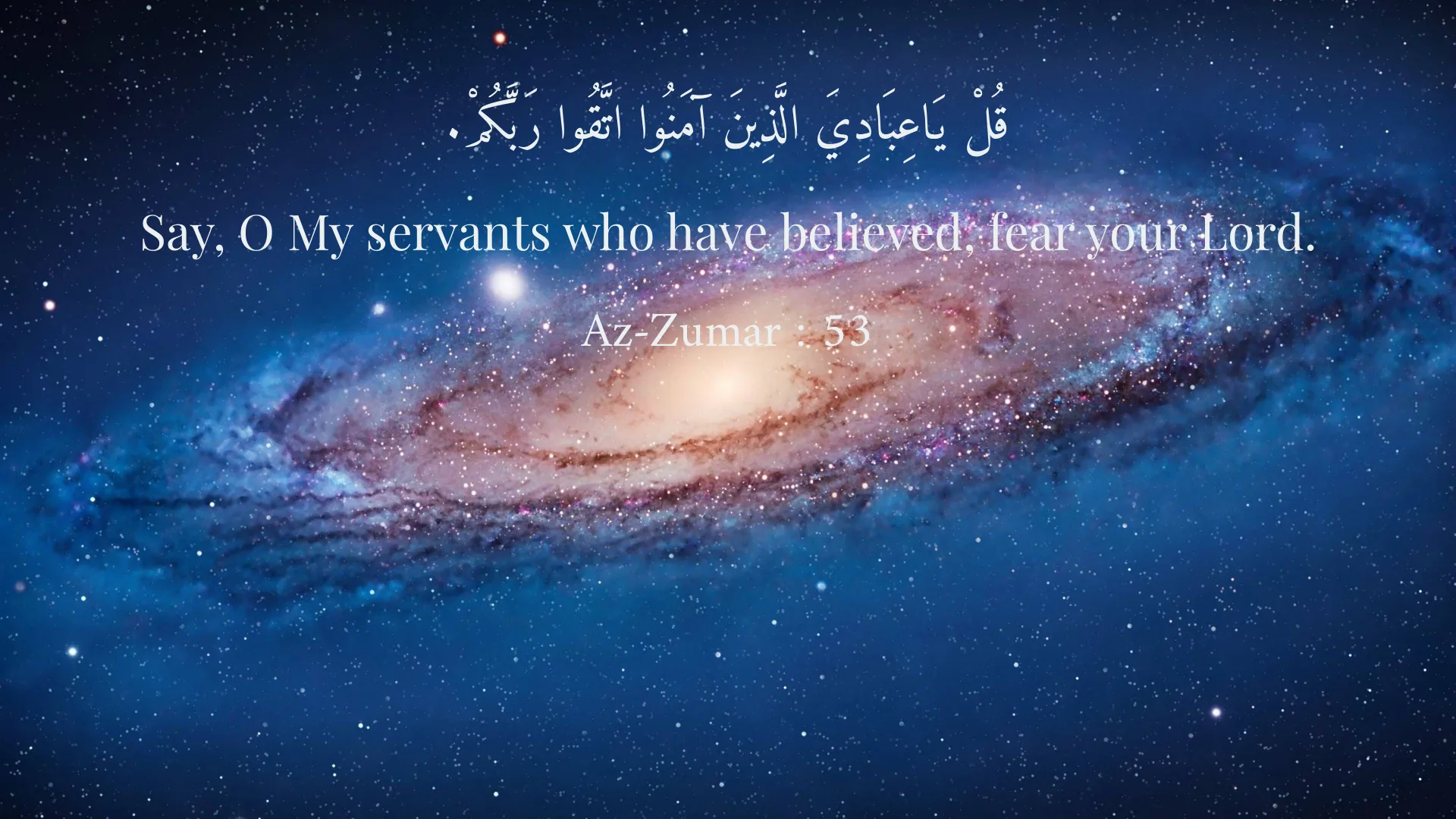
قُلْ يَاعِبَادِيَ الَّذِينَ آمَنُوا اتَّقُوا رَبَّكُمْ.
Say, O My servants who have believed, fear your Lord.
Az-Zumar : 53
وَلَنَبْلُوَنَّكُم بِشَيْءٍ مِّنَ الْخَوْفِ وَالْجُوعِ وَنَقْصٍ مِّنَ الْأَمْوَالِ وَالْأَنفُسِ
And We will surely test you with something of fear, and hunger, and a loss of wealth and lives.
Al-Baqarah : 155
Short Story
Once there was a young man named Ali who felt hopeless amidst his life's troubles. He prayed in his heart for help from Allah. In that moment, a verse from the Quran came to his mind where Allah says: 'Indeed, I am with the patient.' He suddenly realized that he was not alone and needed to be patient. Ali decided to start his day with hope and faith in Allah, and as a result, he saw positive changes in his circumstances.