Quranic Answer
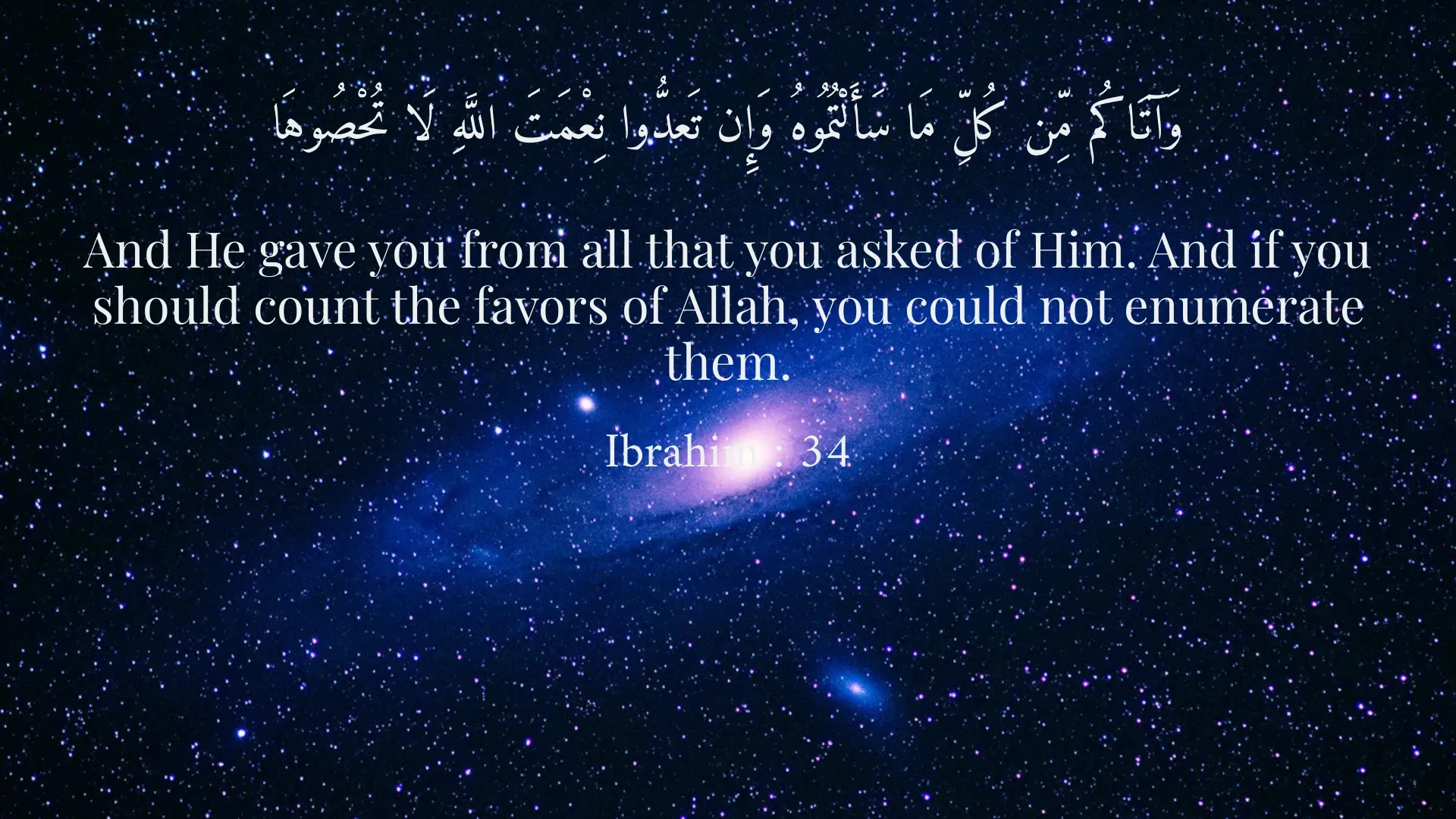
Ungratefulness for blessings is a profound concept that holds significant weight in various religious, philosophical, and personal contexts. While the above description succinctly addresses the definition and implications of ingratitude, there is a need to delve deeper into this subject to understand its implications on individual lives, society as a whole, and the spiritual beliefs that emphasize gratitude as a fundamental principle. This article seeks to explore the concept of ungratefulness for blessings, particularly as articulated in the Holy Quran, and its consequences on individuals and communities. The notion of ungratefulness is highlighted prominently in Islamic teachings. As cited in Surah Ibrahim, verse 34, Allah emphasizes the abundance of gifts He has bestowed upon humanity. "And He gave you from all that you asked of Him. And if you should count the favors of Allah, you could not enumerate them." This verse is not merely a reminder of the gifts bestowed; it is a call for mindfulness and awareness of the countless provisions we receive daily — from our health and families to the beauty of nature that surrounds us. In contemporary society, many individuals often become overwhelmed by their daily troubles, challenges, and disappointments. Such preoccupations can blind them to the goodness in their lives. The global pandemic, for instance, has caused significant upheaval, resulting in loss and uncertainty for many. However, despite these challenges, one can still find areas of gratitude — a family that stands together, a friend who checks in, or even the simple pleasure of a sunny day. The tension between ingratitude and appreciation highlights the struggle many face in recognizing blessings in the midst of adversity. The Quran offers guidance on overcoming these challenges by encouraging gratitude. Surah Az-Zumar, verse 7 proclaims, "If you are grateful, I will surely increase your favor upon you; but if you deny, indeed, My punishment is severe." This verse speaks volumes about the reciprocal nature of gratitude. When we acknowledge our blessings, no matter how small, it becomes easier to recognize and appreciate even greater gifts. The simple act of saying 'thank you' not only enriches our spirits but also enhances our relationships with others and deepens our connection with Allah. Gratitude is not merely a fleeting emotion but a practice that requires intentionality and commitment. Individuals can cultivate a habit of gratitude through regular reflection and mindfulness practices. Keeping a gratitude journal, where one writes down daily occurrences of appreciation, can be immensely beneficial. By doing so, one reinforces the habit of recognizing the good in every day, regardless of the difficulties encountered. As we navigate life's challenges, it is crucial to remind ourselves that ungratefulness can lead to a downward spiral of dissatisfaction and anxiety. When one focuses on what is lacking rather than recognizing the abundance already present, this mindset can breed negativity and despair. People often fall into the trap of comparing themselves with others, forgetting that each person's journey is unique. This comparison only emphasizes feelings of inadequacy and ungratefulness for the personal blessings one may possess. One of the most profound aspects of recognizing and acknowledging blessings is its impact on mental health. A growing body of research indicates that practicing gratitude is associated with improved mental well-being, increased happiness, and reduced depression. When individuals savor moments of gratitude, they foster resilience and adaptability that are essential in facing life's obstacles. Acknowledging even the small things in life fosters a more optimistic outlook, enabling individuals to navigate challenges more effectively. Furthermore, ingratitude can hinder social relationships. Relationships thrive on appreciation and acknowledgment. When one fails to express gratitude, it can lead to misunderstandings, resentment, and isolation. A lack of gratitude can breed negativity within interpersonal connections, as individuals may feel taken for granted or unvalued. In contrast, nurturing an attitude of gratitude can enhance compassion and empathy towards those around us, strengthening community ties and enhancing overall societal wellbeing. In conclusion, ungratefulness for blessings is not merely an act of neglecting to appreciate what one has; it is a mindset that can lead to various adverse effects on individual mental health, social relationships, and spiritual fulfillment. The Quranic verses highlight the importance of gratitude as a pathway to recognizing the divine gifts in our lives. As we reflect on the nature of our blessings, it is essential to remember that gratitude is a practice — a conscious choice to see the good in our lives and express appreciation for it. By reframing our perspective and actively seeking out the blessings in every circumstance, we can navigate life's difficulties with grace, cultivate happiness, and foster deeper connections with ourselves, others, and our Creator. In recognizing and being thankful for even the smallest of blessings, we pave the way for a more fulfilling life characterized by peace, satisfaction, and continual abundance.
Related Verses
وَآتَاكُم مِّن كُلِّ مَا سَأَلْتُمُوهُ وَإِن تَعدُّوا نِعْمَتَ اللَّهِ لَا تُحْصُوهَا
And He gave you from all that you asked of Him. And if you should count the favors of Allah, you could not enumerate them.
Ibrahim : 34
إن تكونوا تشكروا يزدكم ومن كفر فإن عذابي شديد.
If you are grateful, I will surely increase your favor upon you; but if you deny, indeed, My punishment is severe.
Az-Zumar : 7
Short Story
Once upon a time, there lived a man in vast fields. Each day, he became aware of the blessings from Allah, yet he failed to show gratitude. One day, he reflected upon all the blessings bestowed upon him and decided to express his gratitude. The outcomes of this decision were so positive that he experienced a better state of mind and more peace.