Quranic Answer
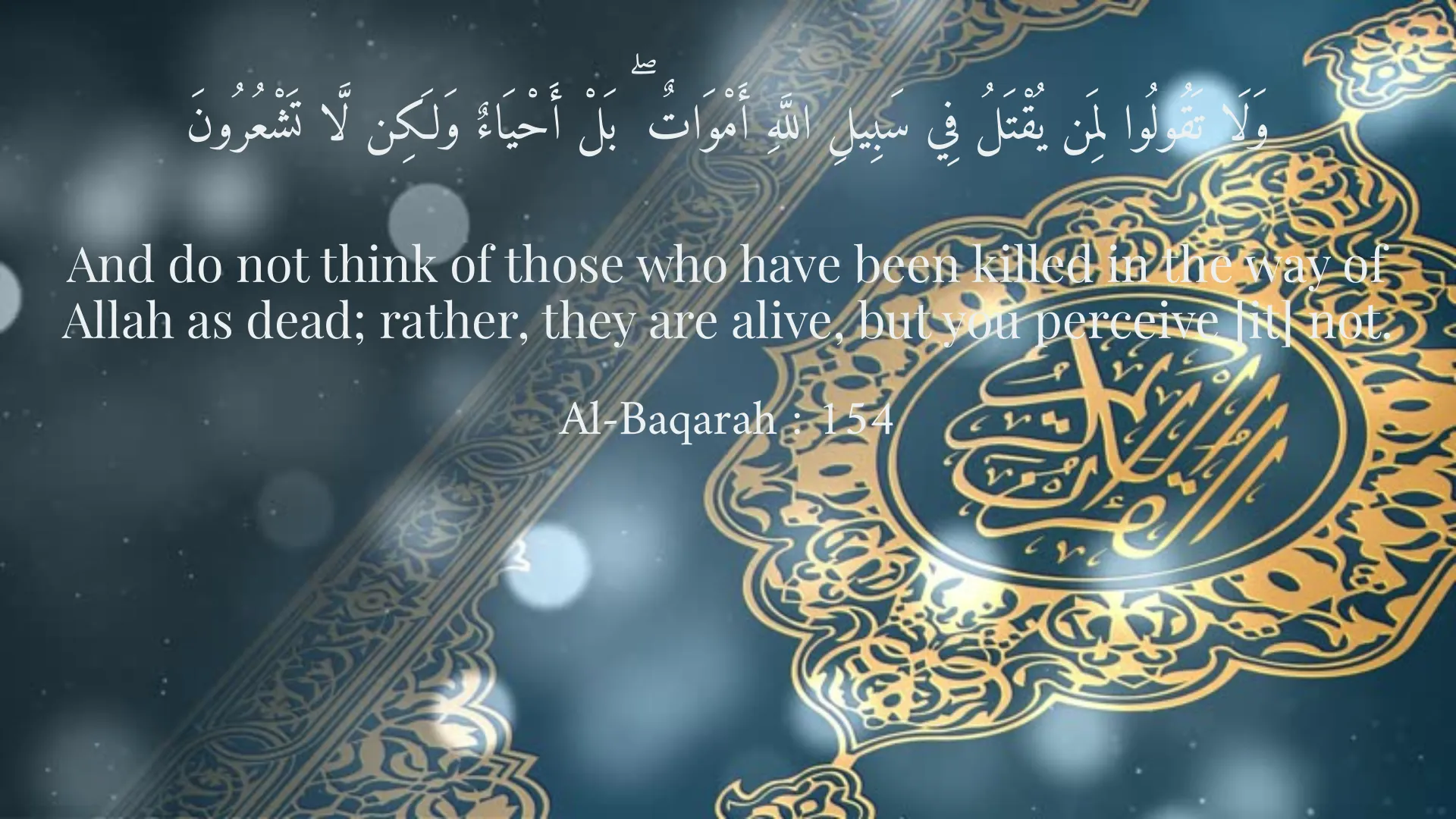
The reminder of death is a challenging and frightening experience for many. For numerous individuals, the mere contemplation of death conjures images of endings, loss, and sorrow, signifying the conclusion of a journey filled with cherished experiences and irreplaceable relationships. In essence, death is not simply an end; it is a profound transition, a passage that sits at the intersection of the material world and the existence of the soul beyond physical limitations. As encapsulated in the Holy Quran, Allah emphasizes this inevitable aspect of human life, highlighting the consequences and realities that accompany it. As human beings, we are intuitively drawn to the vibrancy of life, reveling in its pleasures, successes, and connections. However, the appearance of death shrouds our minds with fear and uncertainty. This fear can often stem from an inherent dread of the irreversible nature of death. The finality associated with death can evoke feelings of despair, compelling individuals to avoid even the thought of it. Yet, in Surah Al-Baqarah, verse 154, the Quran offers a heartfelt perspective on death. It states: "And do not think of those who have been killed in the way of Allah as dead; rather, they are alive, but you perceive [it] not." Herein lies the profound reminder that death should not be misconstrued as an ultimate demise but rather as a transition to a different phase of existence, one where life continues in a different form. When examined closely, it becomes evident that fleeing from the contemplation of death is, in many ways, an escape from the reality of our existence. By detaching ourselves from this inevitable fate, we risk losing sight of what it truly means to live. Every moment spent in the chase of worldly life and its fleeting joys can inadvertently lead to neglecting the greater purpose of our existence. Hence, the acknowledgment of death allows us to reflect deeply on our lives—a reflection that is often not undertaken until one confronts the stark reality of mortality. Many individuals shun the topic of death, fearing the implications it bears on their spiritual well-being. One common concern revolves around the possibility of punishment in the afterlife, which can be a daunting contemplation. As articulated in Surah Al-Munafiqun, verse 9, we read: "O you who have believed, do not let your wealth and your children divert you from the remembrance of Allah." This verse succinctly underscores a crucial point: the distractions of material possessions and worldly attachments can lead individuals astray from their spiritual obligations. Forgetting God, along with neglecting the remembrance of death, can create a significant lapse in our quest for righteousness. The reflection on mortality not only urges individuals to cherish their time on earth but also compels them to cultivate a meaningful and purpose-driven life. Without the awareness of death, we may find ourselves consumed by trivial pursuits, often forgetting the fundamental goal of life—to serve and worship Allah and foster a meaningful relationship with Him. It is within this context that the reminder of death acts as a catalyst for self-improvement, personal growth, and spiritual awakening. When we accept the reality that life is transient and that death can come unexpectedly, it can instigate a sense of urgency in striving to align ourselves with the teachings of Islam. Death's reminder serves more than just as a warning of our mortality; it provides insights and lessons about living authentically. It encourages us to reflect on our lives—not solely in the pursuit of material wealth—which, while valuable, can never replace the essence of a life lived in faith, love, compassion, and devotion. This interconnectivity between life and death serves a greater purpose, urging us to act responsibly in our current existence while being cognizant of the hereafter. In the quest for spirituality, the contemplation of death can be perceived as a benevolent gift. It invites individuals to consider what legacy they will leave behind and the impacts of their actions on future generations. The teachings of the Quran and the sayings of the Prophet Muhammad (peace be upon him) serve as reminders to engage in good deeds, offer compassion to others, and maintain a heart full of gratitude. These reflections can lead one to reevaluate their life choices and embark on a transformative journey toward a more fulfilling existence. Furthermore, the communion with the concept of death encourages believers to maintain a balance between their spiritual affairs and worldly obligations. It impels us to take heed of the fact that while pursuing our aspirations is necessary, our primary focus should remain devoted to Allah and His commandments. Life is a gift with an expiration date; therefore, each moment we are bestowed should not only be enjoyed but also seen as an opportunity for growth and piety. In summary, the reminder of death, while daunting, ultimately serves multiple vital roles in our journey of faith. It acts as a guiding principle, urging us to explore the deeper meanings of life, foster our connection with Allah, and live under the light of His guidance. Rather than viewing death purely as an end, we should embrace it as a significant transitional phase that provides profound insight into the importance of our lives and actions. Thus, as we navigate this life, let the reminder of mortality drive us to live with intention, dedication, and gratitude for every moment. The realization that death is but a chapter in our eternal existence can transform our understanding, leading us to create a life rich with purpose and connection.
Related Verses
وَلَا تَقُولُوا لِمَن يُقْتَلُ فِي سَبِيلِ اللَّهِ أَمْوَاتٌ ۖ بَلْ أَحْيَاءٌ وَلَكِن لَّا تَشْعُرُونَ
And do not think of those who have been killed in the way of Allah as dead; rather, they are alive, but you perceive [it] not.
Al-Baqarah : 154
يَا أَيُّهَا الَّذِينَ آمَنُوا لَا تُلْهِكُمْ أَمْوَالُكُمْ وَأَوْلَادُكُمْ عَنْ ذِكْرِ اللَّهِ
O you who have believed, do not let your wealth and your children divert you from the remembrance of Allah.
Al-Munafiqun : 9
Short Story
One day a man was pondering about death and his life. Deep in his heart, he feared facing the same fate as all humans, so he decided to return to the remembrance of God and his righteous deeds. He turned to the Quran, and through the uplifting verses, he found true peace and understood that life should come with deeper meanings and purposes.