Quranic Answer
In the Holy Quran, the behavior of individuals and their relationship with good and evil is clearly addressed, offering profound insights into the spiritual journey of humanity. Scholars and believers alike have delved into the Quran's teachings, reflecting on how these divine words shape moral conduct and encourage followers to engage in righteous deeds. The overarching message presented in the Quran fosters understanding of the complexities surrounding the actions of individuals as they navigate between good and evil. This article aims to explore the reasons why some people might feel fatigued in their pursuit of good deeds, relying on selected verses from the Quran, which illuminate the spiritual nuances that govern human behavior. One significant reason individuals may experience weariness in performing good acts is the worldly and spiritual repercussions that can occur following a withdrawal from such actions. In Surah Aal-Imran, verse 186, Allah states: "Your fathers, your sons, your brothers, your wives, and your relatives... are more beloved to you than Allah..." This verse serves as a powerful reminder that when faced with various worldly attachments and affections, individuals may inadvertently neglect their duties toward goodness and worship. The Quran acknowledges that the natural affection for family and kin can sometimes overshadow spiritual responsibilities. In an increasingly materialistic world, distractions abound, turning hearts and minds away from the pursuit of spiritual fulfillment. People often find themselves caught up in the hustle and bustle of daily life, focusing on career ambitions, social engagements, and keeping up with societal expectations, which can lead to a neglect of their moral and spiritual well-being. The desire for worldly success can create an internal conflict, where individuals may feel torn between the love for their families and the ultimate commitment to the Creator. This struggle may cause one to lose sight of the importance of engaging in good deeds, leading to a sense of fatigue or exhaustion when it comes to spiritual pursuits. In addition, the Quran acknowledges the reality of life that is often fraught with challenges. In Surah Al-Baqarah, verse 155, it is revealed: "And We will surely test you with something of fear and hunger..." This verse emphasizes that throughout life, people encounter various trials and tests designed to assess their faith and resilience. The obstacles presented—be it fear, economic hardship, or personal loss—can lead to emotional and physical fatigue. These challenges may cast a shadow over the pursuit of goodness, generating a sense of despair that permeates one's willingness to engage in altruistic behaviors. Social, economic, and familial pressures can further exacerbate an individual's weariness towards performing good deeds. For instance, individuals overwhelmed by financial instability may struggle to donate time or resources to charitable efforts, feeling that their efforts are an exercise in futility. When one is constantly grappling with survival, the thought of dedicating oneself to good deeds can seem daunting and, at times, unrealistic. The pressures of modern life, with its myriad distractions and demands, can lead to emotional burnout, ultimately resulting in a withdrawal from both community service and worship. Moreover, the impact of fatigue on the spiritual journey cannot be understated. In Surah Al-Mu'minun, verse 3, it states: "And they who are observant of their prayers and their obligations." This verse highlights the importance of maintaining regularity in worship and connection with the divine. Failure to observe regular prayers or to fulfill obligations can exacerbate feelings of disengagement or neglect in one's spiritual life. As individuals wrestle with the pressures of daily life, neglecting their spiritual duties may lead to an inability to find inner peace and satisfaction. The virtuous cycle of performing good deeds, which enriches both the giver and the receiver, is often forgotten amid the tumult of life. Engaging in acts of kindness, charity, and good behavior not only benefits those around us but also reinforces one’s sense of purpose and belonging. The act of giving and selflessness is often the antidote to the fatigue we experience, as it fosters a sense of connection and community. Ultimately, it can be concluded that the weariness in performing good deeds may stem from various factors including worldly pressures, divine trials, or simply becoming oblivious to the long-term effects of these righteous actions. As believers, it is essential to periodically re-evaluate our priorities and seek balance in our lives—acknowledging the demands of family and work while remaining steadfast in our devotion to good deeds and spiritual practices. By recognizing the significance of carving out time for kindness and compassion, we can invigorate our spirits and ensure that we remain committed to serving our communities and fostering meaningful connections with others. In conclusion, the Quran provides timeless wisdom that helps illuminate the challenges individuals face in their quest to do good. By turning to these teachings, believers can regain their focus on the virtues of goodness, understanding that while challenges may arise, the pursuit of righteousness brings about spiritual fulfillment and ultimately benefits humanity as a whole.
Related Verses
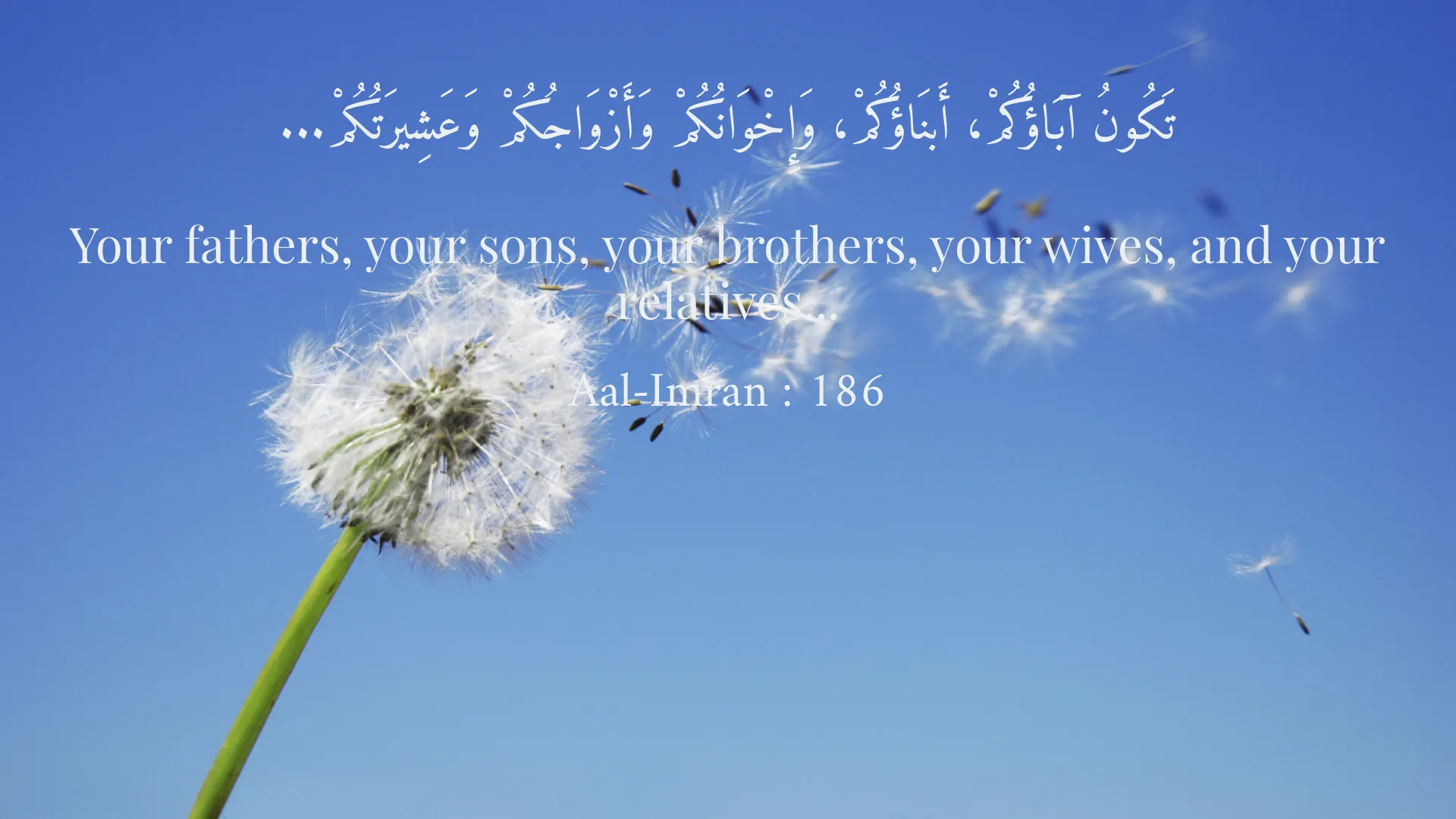
تَكُونُ آبَاؤُكُمْ، أَبنَاؤُكُمْ، وَإِخْوَانُكُمْ وَأَزْوَاجُكُمْ وَعَشِيرَتُكُمْ...
Your fathers, your sons, your brothers, your wives, and your relatives...
Aal-Imran : 186
وَلَنَبْلُوَنَّكُم بِشَيْءٍ مِّنَ الْخَوْفِ وَالْجُوعِ...
And We will surely test you with something of fear and hunger...
Al-Baqarah : 155
وَالَّذِينَ هُمْ لِزَكَاتِهِمْ فَاعِلُونَ...
And they who are observant of their prayers and their obligations...
Al-Mu'minun : 3
Short Story
Once upon a time, there was a man named Ali who was always kind and charitable. He was well-known for his efforts in helping others. However, one day Ali felt fatigue and could no longer find the power to continue his good deeds. He decided to consult a wise old man. The elder told him, 'My son, do not forget to care for your own soul.' After this meeting, Ali realized that to do good, he must also take care of himself and be truly generous.