Quranic Answer
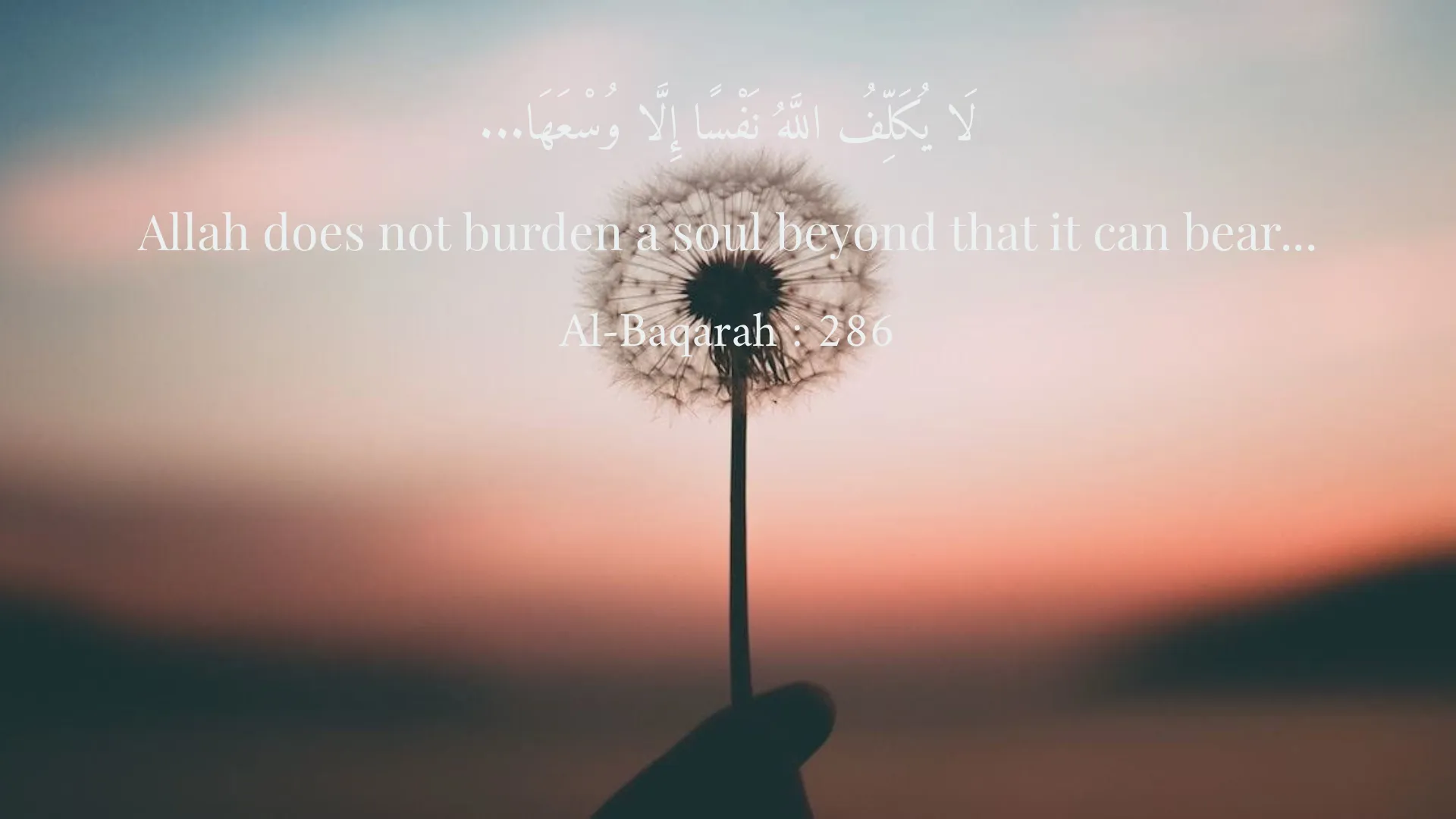
Human life, as depicted in the Holy Quran, is a complex tapestry woven from various threads, each representing different aspects of existence. Within its verses, particularly in Surah Al-Baqarah and other chapters, we find profound insights into how worldly life differs from the hereafter, and how the two are interlinked. The Quran offers clarity on how external influences, like effort, skills, and even luck, play a role in shaping our worldly experiences, while at the same time reminding us of our responsibilities and the transient nature of our material blessings. The Quran emphasizes that human beings, created with free will, navigate through life while encountering trials and tribulations. Surah Al-Baqarah, verse 286 states, 'Allah does not burden a soul beyond that it can bear...' This verse encapsulates the essence of divine justice, indicating that God, in His infinite wisdom, has designed life's challenges in accordance with each individual's capacity. The understanding of this verse can bring immense comfort to believers as it reassures them that no situation is insurmountable and that, regardless of the adversities faced, there is always a purpose behind the challenges. Moreover, the verse reflects a deeper theological understanding, suggesting that God does not desire hardship for His creation but rather aims to facilitate ease and comfort through trials. Many people might wonder why sinning individuals often enjoy worldly blessings. This phenomenon can be interpreted as God’s way of guiding them towards repentance and a meaningful return to Him. The divine mercy and patience exhibited in these cases illustrate God’s intent: He provides opportunities for all of humanity to reflect on their actions and amend their ways, allowing for the possibility of redemption. Surah Al-Mu'minun, verse 75 further expands on this idea, stating, 'If your Lord had willed, He would have made mankind one nation...' This verse highlights God's sovereignty in determining the varied circumstances under which human beings live. The intentional diversity in life's experiences serves to motivate individuals to seek a connection with the divine through sincerity and righteous actions. The different states in which people find themselves are not merely random occurrences but designed to beckon them closer to God. The challenges faced can act as catalysts for growth, prompting reflection and, ultimately, a deeper faith. Notably, Surah Al-Imran, verse 178 offers a stark warning against complacency in the face of sin. It states that those who indulge in sinful pleasures should not be deceived by their comfortable lives, as a 'bad end' awaits them. This underscores the Quranic principle that material success and comfort do not equate to divine favor or approval. Rather, they can be tests in themselves. Individuals may enjoy fleeting material enjoyments, but these should not distract them from their moral and spiritual obligations. Comfort in this world does not guarantee a favorable outcome in the hereafter, and this crucial distinction is repeatedly emphasized throughout the holy text. The juxtaposition of worldly life and the afterlife prompts believers to strive for a good life—a life in which they draw closer to God through righteous deeds. The Quran continuously calls for self-awareness and accountability, reminding individuals that their actions have consequences in both this world and the next. The guidance provided through the verses encourages a mindset where one seeks not only material gains but also spiritual enrichment. Furthermore, the narratives within the Quran are not merely historical accounts but serve as lessons applicable to the modern day. As individuals grapple with societal pressures, personal struggles, and moral dilemmas, the teachings within the Quran can provide a compass to navigate these complexities. Each verse acts as a reminder to view worldly challenges as opportunities for spiritual growth, urging believers to remain steadfast in their faith and commitment to righteousness. In conclusion, the division of human life into worldly and otherworldly aspects in the Holy Quran is profound and multifaceted. While worldly life is influenced by individual actions, skills, and even luck, the Quran provides clear reminders of God’s mercy, justice, and the transient nature of material pleasures. The emphasis on personal accountability in light of divine providence urges believers to seek a deeper, purposeful life that aligns with righteousness and devotion to God. Recognizing the connection between one’s actions and their spiritual implications can inspire Muslims to not only strive for success in this world but also prepare for the enduring journey that lies ahead in the hereafter. By fostering a relationship with God through good deeds, believers can hope to achieve true success in both realms.
Related Verses
لَا يُكَلِّفُ اللَّهُ نَفْسًا إِلَّا وُسْعَهَا...
Allah does not burden a soul beyond that it can bear...
Al-Baqarah : 286
وَلَوْ شَاءَ رَبُّكَ لَجَعَلَ النَّاسَ أُمَّةً وَاحِدَةً...
And if your Lord had willed, He would have made mankind one nation...
Al-Mu'minun : 75
لَا يَحْسَبَنَّ الَّذِينَ كَفَرُوا أَنَّمَا نُمْلِي لَهُمْ خَيْرٌ لِأَنفُسِهِمْ...
Let not those who disbelieve think that Our respite for them is better for themselves...
Al-Imran : 178
Short Story
One day, Aref was sitting in a corner, pondering his life. He saw that many of his friends, despite their sinful actions, had comfortable and happy lives. He wondered why this was the case? Until the verses of the Quran echoed in his mind. He realized that a good life does not equate to acceptance from God, and their sins may continue. He decided to change his path and move closer to goodness. After a while, Aref felt a greater peace and happiness.