Quranic Answer
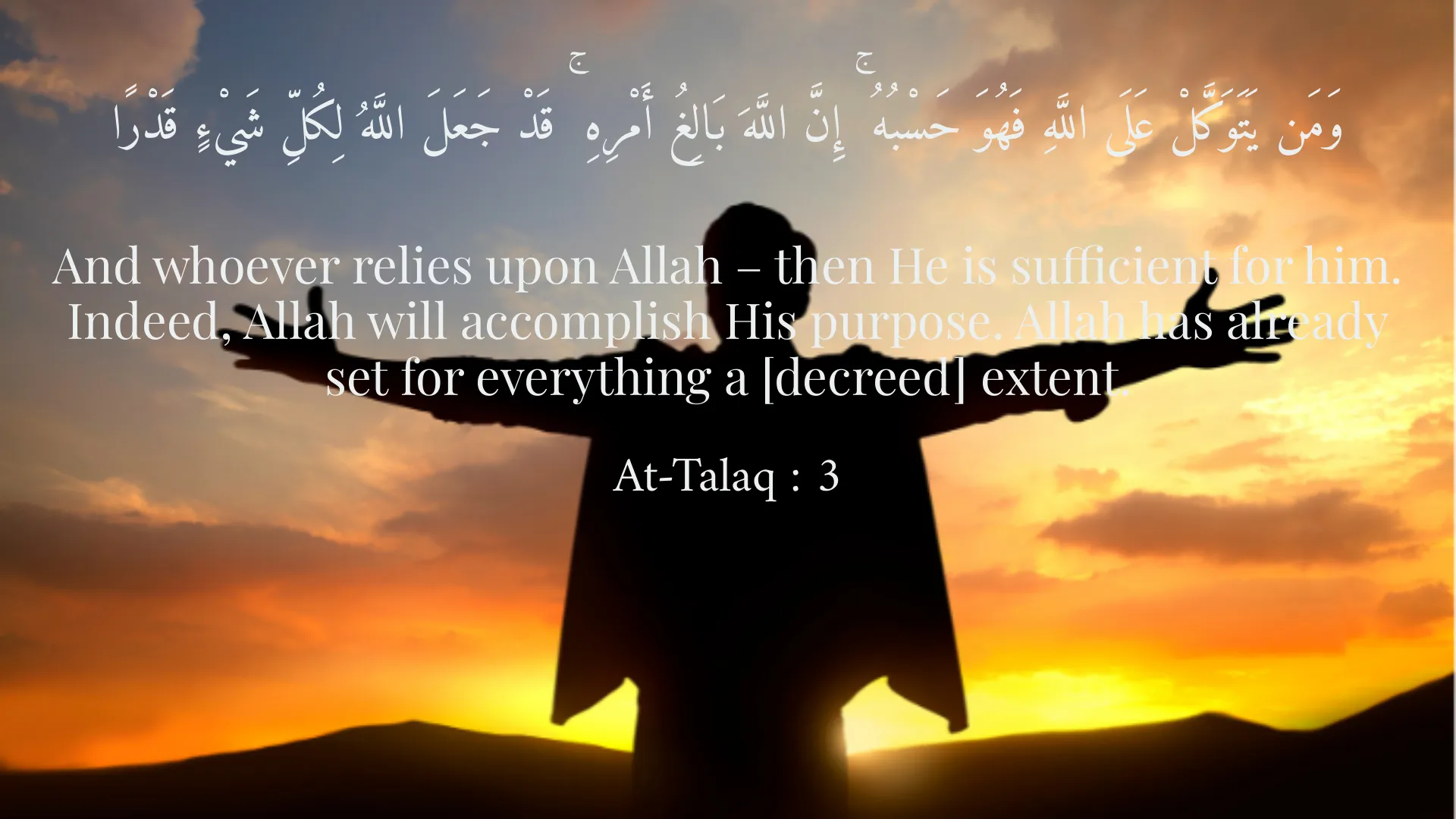
From the perspective of the Holy Quran, the fear of failure, though a natural human reaction, can be significantly diminished or even eradicated for believers who deeply grasp divine teachings. This absence of fear stems from several key Quranic principles that transform an individual's outlook on life, effort, and outcomes. These principles include reliance on God (Tawakkul), understanding the truth of divine tests (Ibtila'), the importance of patience and perseverance (Sabr), and focusing on the reward of the Hereafter rather than solely worldly results. Perhaps the most crucial factor is "Tawakkul upon Allah" (reliance on God). The Quran repeatedly calls believers to place their trust in God. Tawakkul does not imply passivity or inaction; rather, it means exerting all possible efforts within human capacity and then entrusting the outcome to divine will. When an individual reaches this level of faith, knowing that Allah is the best Disposer of affairs and that nothing happens outside His knowledge and will, they no longer feel excessive fear of failure. They understand that every outcome, whether seemingly successful or a perceived failure, is part of a larger divine plan and holds an inherent good. Verses such as: "And whoever relies upon Allah – then He is sufficient for him. Indeed, Allah will accomplish His purpose. Allah has already set for everything a [decreed] extent." (Surah At-Talaq, 65:3) clearly provide this assurance to the believer. This belief lifts the heavy burden of responsibility for outcomes from the individual's shoulders, allowing them to strive with greater peace of mind, free from the fear of loss or not achieving desired results. They know that if there was benefit in an endeavor, Allah would make it happen, and if not, there was certainly a greater good in its non-realization. Secondly, the principle of "understanding the reality of divine tests and trials (Ibtila')" is vital. In the Quranic worldview, worldly life is a field for testing and examining humanity. Allah mentions in several verses that humans will be tested with wealth, lives, and hardships to gauge their patience, faith, and gratitude. "And We will surely test you with something of fear and hunger and a loss of wealth and lives and fruits, but give good tidings to the patient." (Surah Al-Baqarah, 2:155). This verse clearly states that we will test you with fear, hunger, and loss of wealth, lives, and fruits; and give good tidings to the patient. When an individual views failure not as the end of the road or a sign of their incompetence, but as a divine test for growth and perfection, the fear of it loses its meaning. In this perspective, every failure is an opportunity for learning, reassessment, and strengthening faith. The purpose of divine tests is not to destroy humans but to build and strengthen them. Therefore, a believer who possesses this understanding encounters failure but is not overcome by it; instead, they learn from it and continue their journey with stronger resolve. Thirdly, "patience and perseverance (Sabr)" is closely linked to Tawakkul and the understanding of Ibtila'. The Quran, in countless verses, refers to the virtue of patience and promises immense rewards for those who are patient. Patience is not merely enduring hardship but also includes steadfastness on the path of truth and perseverance in the face of difficulties and obstacles. "Indeed, Allah is with the patient." (Surah Al-Baqarah, 2:153). This verse indicates that Allah's help and companionship are granted to the patient. One who is armed with patience knows that any setback may be temporary and that through perseverance and renewed effort, it can be overcome. Fear of failure usually arises from a result-oriented and short-term perspective, but patience provides a long-term outlook, enabling one to overcome obstacles and reach the ultimate goal, even if initially faced with setbacks. Patience allows individuals to learn from their mistakes and continue their efforts with a realistic outlook. Fourthly, the "importance of the reward in the Hereafter and viewing the world as a transient passage" plays a significant role. In Quranic teachings, worldly life is fleeting and temporary, and the true life is that of the Hereafter. Real rewards await believers in the afterlife. "But you prefer the worldly life, while the Hereafter is better and more enduring." (Surah Al-A'la, 87:16-17). These verses emphasize the importance of the Hereafter over this world. When one believes that true values and real success lie in gaining Allah's pleasure and achieving eternal bliss in the Hereafter, worldly failures lose much of their significance and terrifying aspect. They know that even if they seemingly fail in this world, if they have strived in the way of Allah and maintained their faith, they are successful and saved in the sight of God. This perspective frees individuals from the shackles of worldly outcomes, allowing them to pursue their long-term, spiritual goals with greater freedom. In summary, these Quranic perspectives provide a powerful intellectual framework for the believing individual, wherein failure is not regarded as a terrifying or debilitating phenomenon. Instead, it is seen as a natural part of life's journey and an opportunity for growth and closeness to Allah. This outlook enables some individuals not only to be unafraid of failure but to view it as a stepping stone to greater successes in both this world and the Hereafter. This deep self-confidence is rooted in complete trust and certainty in Allah's power, wisdom, and mercy. Therefore, individuals who have attained these levels of faith walk through life with courage and peace of mind, whether encountering success or difficult trials, because they know that the ultimate outcome will always be for their good, provided they rely on Allah and practice patience.
Related Verses
وَمَن يَتَوَكَّلْ عَلَى اللَّهِ فَهُوَ حَسْبُهُ ۚ إِنَّ اللَّهَ بَالِغُ أَمْرِهِ ۚ قَدْ جَعَلَ اللَّهُ لِكُلِّ شَيْءٍ قَدْرًا
And whoever relies upon Allah – then He is sufficient for him. Indeed, Allah will accomplish His purpose. Allah has already set for everything a [decreed] extent.
At-Talaq : 3
وَلَنَبْلُوَنَّكُم بِشَيْءٍ مِّنَ الْخَوْفِ وَالْجُوعِ وَنَقْصٍ مِّنَ الْأَمْوَالِ وَالْأَنفُسِ وَالثَّمَرَاتِ ۗ وَبَشِّرِ الصَّابِرِينَ
And We will surely test you with something of fear and hunger and a loss of wealth and lives and fruits, but give good tidings to the patient.
Al-Baqarah : 155
يَا أَيُّهَا الَّذِينَ آمَنُوا اسْتَعِينُوا بِالصَّبْرِ وَالصَّلَاةِ ۚ إِنَّ اللَّهَ مَعَ الصَّابِرِينَ
O you who have believed, seek help through patience and prayer. Indeed, Allah is with the patient.
Al-Baqarah : 153
بَلْ تُؤْثِرُونَ الْحَيَاةَ الدُّنْيَا
But you prefer the worldly life,
Al-A'la : 16
وَالْآخِرَةُ خَيْرٌ وَأَبْقَىٰ
While the Hereafter is better and more enduring.
Al-A'la : 17
Short Story
In Saadi's Bustan, it is narrated that a dervish, despite having meager possessions and a life full of material challenges, never appeared sad or despondent. His friends asked him, "How is it that with so little, you are always joyful and carefree?" The dervish replied with a warm smile, "I do not attach my heart to what I possess, nor do I yearn for what I do not. I know that the Provider is God, and whatever He wills, that shall be. If I lose something, I know there was good in it, and if I gain something, I am grateful. So, what cause is there to fear failure? For whatever comes to pass, there is wisdom in it." This wise dervish, by relying on trust in God and understanding divine decree, lived with peace of mind and never feared the adversities of life, for his heart found tranquility in something beyond fleeting worldly achievements.