Quranic Answer
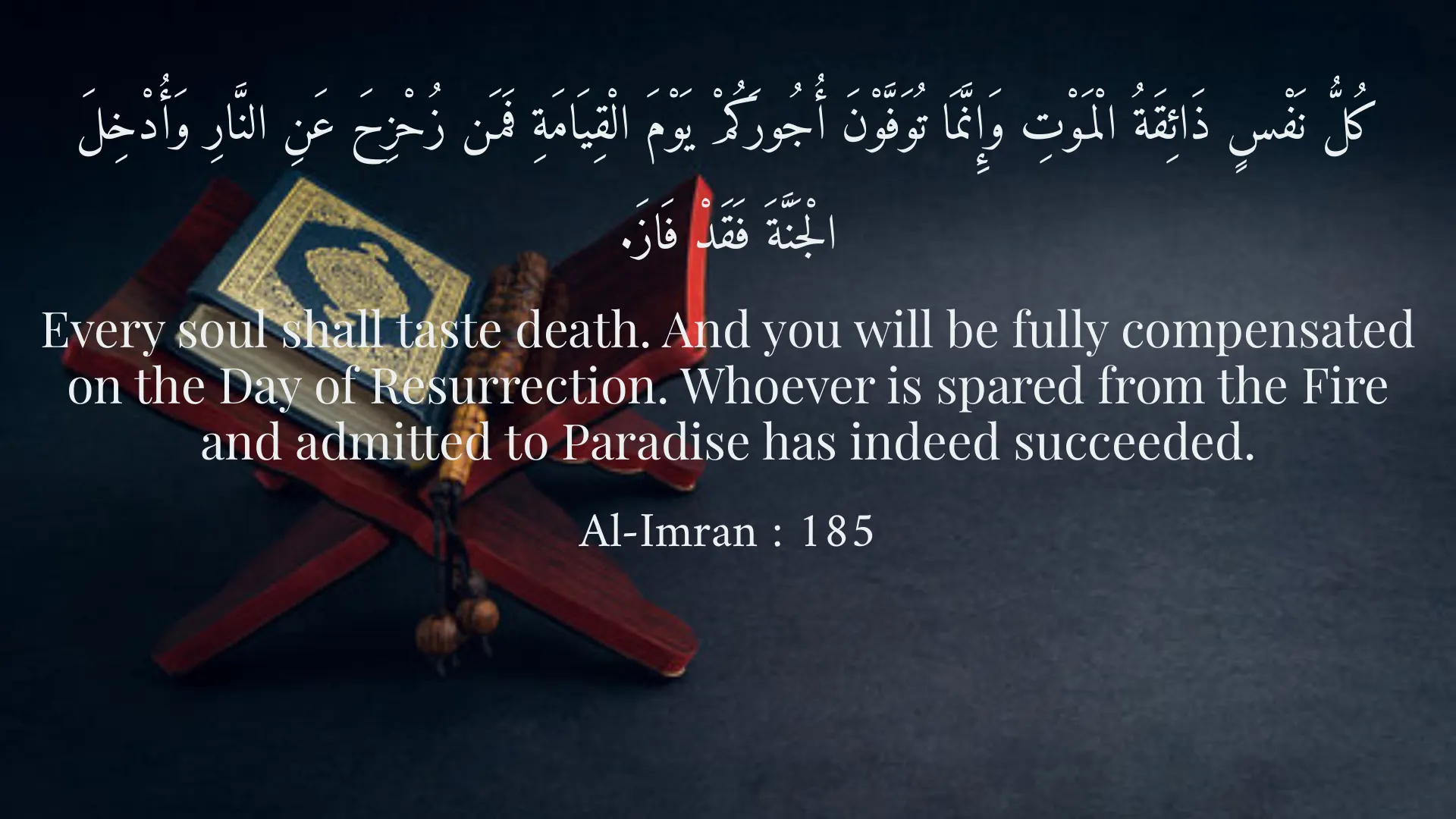
In the Holy Quran, the concept of worship and obedience to Allah is not merely a ritualistic adherence to divine commandments but a deeply ingrained aspect of a Muslim's identity. Allah clearly states in several verses that His servants are expected to obey Him as their deity, reflecting the essence of faith, and uphold patience in all forms of worship. Worship is described not just as a collection of actions, such as prayer (Salah) or fasting (Sawm), but as an overarching lifestyle that fosters closeness to the Divine and enriches the soul. Unfortunately, some individuals evade the sacred duty of worship for a myriad of reasons. Among these reasons, a primary factorial is becoming heedless of the remembrance of God, overshadowed by the compelling allure of worldly desires. Indeed, the material world can often distract even the most devout believers from their path towards spiritual fulfillment. The transient nature of life is unambiguously expressed in Surah Al-Imran (3:185): 'Every soul shall taste death. And you will be fully compensated on the Day of Resurrection. Whoever is spared from the Fire and admitted to Paradise has indeed succeeded.' This verse serves as a poignant reminder that the life of this world is fleeting, and those who become too engrossed in material pursuits may neglect their worship and connection with God. The entrapment of worldly desires diverts attention from remembrance, gradually planting seeds of negligence within the hearts of believers. As days turn into nights and seasons come and go, the urgency of worldly affairs can overshadow spiritual responsibilities. This neglect can lead one down a perilous path, ultimately resulting in despair of Allah's mercy. When individuals stray from the regular practice of worship, they may begin to feel that they are unworthy of God’s love and forgiveness, prompting further avoidance of worship, believing they cannot reconcile their shortcomings with their faith. In addition to attentiveness to worldly temptations, fear and despair are significant factors contributing to the avoidance of worship. As discussed in Surah Al-Mu’minun (23:60), 'And they will certainly be brought to face a great punishment; who will judge over you?' This verse reminds us of the consequences of our spiritual negligence, and the fear of punishment from God can overwhelm individuals, rendering them immobile in their spiritual journey. Ironically, it is this same fear that should spur them into action, drawing them closer to their Creator, rather than creating obstacles They need to remember that despair is an antithesis to hope, and a way to distance themselves from the mercy and compassion that Allah embodies. Despite facing challenges, believers must understand that worship is a continuous effort that requires unwavering commitment and resolve. Reaching out for God's forgiveness and mercy is a testament to one’s faith and sincerity. Through frequent prayer, reflection, and engagement with the Quran, individuals can revive their connection with the Almighty and transcend beyond their insecurities. Worship in its various forms serves as an anchor, keeping us grounded amidst life's chaos. Daily prayers are not merely obligations, but opportunities for reflection, by which one can recharge spiritually. When immersed in worship, believers are reminded of their purpose and the importance of establishing a relationship with God. Such a relationship nurtures the soul and brings tranquility, even in troubling times. Moreover, community worship enhances individual and collective faith. Congregational prayers, Friday sermons, and other group religious activities forge bonds among believers and reinforce the importance of mutual support in faith. This communal aspect of worship further illuminates the beauty of Islam—where individuals uplift one another and create a spiritually nourishing environment, fostering a deeper connection with God. Additionally, the practice of gratitude must be emphasized in a believer’s life. Regularly expressing thankfulness to Allah for His countless blessings can shift perspective from what is lacking to what is abundant. Gratitude cultivates a positive mindset, allowing individuals to approach their worship with a renewed sense of purpose and appreciation. A fundamental aspect of worship is to maintain a vigilant consciousness of Allah (Taqwa). The practice of Taqwa compels believers to remain aware of God's presence in every action and decision, encouraging them to strive toward righteousness. With Taqwa, worship transcends physical acts and becomes an integral part of daily life, reflecting in actions, words, and interactions with others. By embodying Taqwa, individuals engage in worship sincerely and continuously, fostering a beautiful relationship with Allah that permeates every aspect of life. Lastly, drawing upon the essential concept of repentance (Tawbah), believers should understand that it is never too late to return to God. The doors of repentance are always open, regardless of past mistakes or distractions. Allah's mercy is vast, and He assures His servants that He is always ready to forgive. According to the Quran, Surah Al-Zumar (39:53) beautifully states: 'Say, O My Servants who have believed, fear your lord. For those who do good in this world is good, and the earth of Allah is spacious. Indeed, the patient will be given their reward without account.' This verse embodies the grace and compassion of God. In conclusion, the essence of worship and drawing near to God is an ongoing endeavor that requires robust commitment and nurturing. As individuals navigate through the distractions and challenges of life, they must prioritize their spiritual growth and return to their Creator with sincerity and intention. Through remembrance, gratitude, community support, and repentance, believers can establish a healthy, fulfilling relationship with Allah, fostering resilience and purpose in their lives. Ultimately, the journey of worship is deeply personal yet universally significant, reminding each believer of the profound connection they hold with their deity—a relationship that holds the keys to true happiness and success in this life and the hereafter.
Related Verses
كُلُّ نَفْسٍ ذَائِقَةُ الْمَوْتِ وَإِنَّمَا تُوَفَّوْنَ أُجُورَكُمْ يَوْمَ الْقِيَامَةِ فَمَن زُحْزِحَ عَنِ النَّارِ وَأُدْخِلَ الْجَنَّةَ فَقَدْ فَازَ.
Every soul shall taste death. And you will be fully compensated on the Day of Resurrection. Whoever is spared from the Fire and admitted to Paradise has indeed succeeded.
Al-Imran : 185
وَإِنَّهُمْ لَتَذْهَبَ إِلَى عَذَابٍ فَظِيعٍ، مَنْ يَحْكُمُ عَلَيْكُم؟
And they will certainly be brought to face a great punishment; who will judge over you?
Al-Mu’minun : 60
Short Story
One day, in a bustling alley, a young man named Sajjad was strolling. He pondered why he had distanced himself from worship and felt a sense of boredom. He sought advice from a wise religious elder, who, with a kind and motherly gaze, said to him, "Sajjad, if you forget the remembrance of God, your heart will always be restless. Years later, you'll realize how transient this world is." The words resonated with Sajjad, and he resolved to devote more time to worship and connecting with God.