Quranic Answer
The Holy Quran, regarded as the ultimate guide for Muslims, offers profound insights into various aspects of life, including the concept of sinners and their popularity within societal contexts. This exploration is not only a moral admonition but also a philosophical inquiry into the nature of value, success, and human relationships through divine perspective. The examination of the transient nature of worldly popularity versus the eternal nature of divine favor forms the crux of the understanding presented in the Quran regarding sinners and their societal perception. At the outset, it is crucial to note that the Quran addresses the concept of worldly desires extensively, often juxtaposing them against the ideals set forth by Allah. Surah Aal-Imran, verse 14, serves as a quintessential illustration of this dichotomy: "Beautified for the people is the love of that which they desire - of women and offspring, heaped-up sums of gold and silver, fine branded horses, and cattle and tilled land. That is the enjoyment of worldly life, but Allah has with Him the best return." This verse reveals the innate tendencies of human beings to chase after that which is appealing and desirable in the physical world, yet it also reinforces a pivotal and underlying truth: such desires are ephemeral and do not necessarily coincide with divine acceptance. The allure of wealth, possessions, and social acceptance is often what drives individuals, leading to a form of popularity that can obscure their true moral standing in the eyes of Allah. The Quran does not shy away from critiquing this phenomenon. It reminds believers that the material world is temporary and that the true fulfillment of life is not derived from societal acceptance or superficial measures of success. In fact, such fleeting popularity can be misleading, allowing sinners to achieve a status that may not reflect their alignment with divine will. The beauty of their appearances or their ability to cater to others' needs may earn them admiration, yet this recognition is superficial and void of genuine merit in the eyes of the Almighty. Indeed, the Quran emphasizes that those who are righteous and embrace the path of truth are the ones who attain real honor and popularity with Allah. As stated in Surah Al-Mu'minun, verse 11: "They are the inheritors." This verse encapsulates the promise of divine reward and legacy for those who engage in righteous deeds. The implication here is profound: while sinners may taste the fruits of earthly pleasures and societal admiration, the true inheritance—spiritual wealth, eternal satisfaction, and closeness to Allah—is reserved for the righteous. The contradiction between worldly and divine popularity is evident in various Quranic narratives that challenge prevailing social norms. Historical figures among the Prophets, such as Noah, Moses, and Jesus, faced skepticism, rejection, and ridicule from their contemporaries despite their unwavering dedication to truth and righteousness. Their stories encourage believers to recognize that popular opinion is not an indicator of divine favor. In contrast, many figures who gained temporary fame and popularity due to their wealth, charisma, or power often faced downfall when their moral fabric unraveled. This is a stark reminder to those who witness or experience popularity based on sinful behavior: such recognition is fleeting and can lead them away from true success. Moreover, the Quran invites individuals to take a reflective stance on their actions and intentions. Believers are encouraged to contemplate their choices, examine the pathways they pursue, and consider whether such pursuits align with what is cherished in the sight of Allah. This introspection extends to recognizing the potential barriers that wrongful actions and desires might create between individuals and their Lord. Engaging in sinful behavior frequently leads to a gradual distancing from Allah, a phenomenon the Quran warns against. As a remedy, the Quran urges adherents to pursue righteousness with sincerity and persistence. The call to righteous action is not merely a directive but rather an invitation to embrace a transformative lifestyle, one that reorients priorities and seeks alignment with divine principles. The continuous commitment to performing good deeds fosters an intrinsic sense of fulfillment and is instrumental in building a sound moral character. This is epitomized in the Quran's clarion call for justice, compassion, and integrity in all aspects of life. In its comprehensive approach to human nature, the Quran recognizes the complexities and challenges individuals face in navigating between worldly temptations and divine expectations. It places significant emphasis on the significance of community support and accountability in this journey. Encouraging believers to engage with one another in the pursuit of goodness creates an environment conducive to growth and positive transformation. By collectively uplifting one another and reinforcing values of piety and empathy, societies can foster an atmosphere where righteousness prevails over transient fame and worldly attractions. In conclusion, the Quran offers a profound perspective on the dichotomy between sinners and their fleeting popularity. It asserts that while earthly desires may hold a glamorous allure, the true and lasting popularity lies in being beloved to Allah through righteous deeds and moral integrity. Sinners may momentarily bask in the limelight of worldly approval; however, those committed to truth and righteousness are the ones who affirm their legacy in the sight of Allah. Thus, by adhering to the divine guidance outlined in the Quran, individuals can navigate life’s complexities with the knowledge that true success transcends worldly accolades and is anchored in the enduring love and favor of the Almighty.
Related Verses
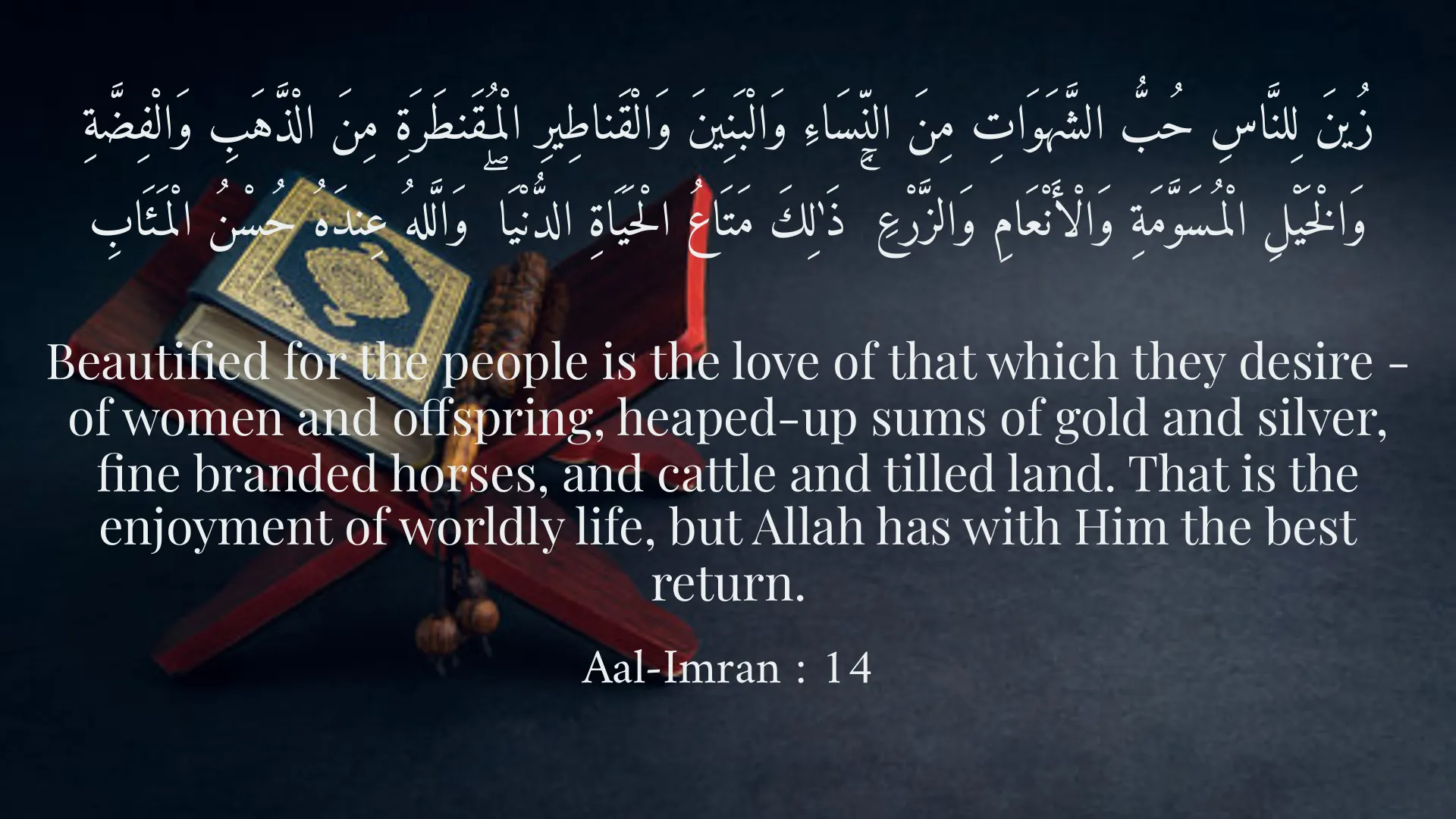
زُينَ لِلنَّاسِ حُبُّ الشَّهَوَاتِ مِنَ النِّسَاءِ وَالْبَنِينَ وَالْقَناطِيرِ الْمُقَنطَرَةِ مِنَ الْذَّهَبِ وَالْفِضَّةِ وَالْخَيْلِ الْمُسَوَّمَةِ وَالْأَنْعَامِ وَالزَّرْعِ ۚ ذَٰلِكَ مَتَاعُ الْحَيَاةِ الدُّنْيَا ۖ وَالَّلهُ عِندَهُ حُسْنُ الْمَئَابِ
Beautified for the people is the love of that which they desire - of women and offspring, heaped-up sums of gold and silver, fine branded horses, and cattle and tilled land. That is the enjoyment of worldly life, but Allah has with Him the best return.
Aal-Imran : 14
أُو۟لَـٰئِكَ هُمُ ٱلْوَارِثُونَ
They are the inheritors.
Al-Mu'minun : 11
Short Story
One day, a man named Reza was in deep thought wondering why some sinners remained popular. He recalled the verses of the Quran and decided to focus on righteous deeds instead of caring about others' opinions. Over time, he noticed that his life became much better and more fulfilling as he focused on loving God and doing good deeds. This change in his life naturally made him more beloved in the hearts of others.