Quranic Answer
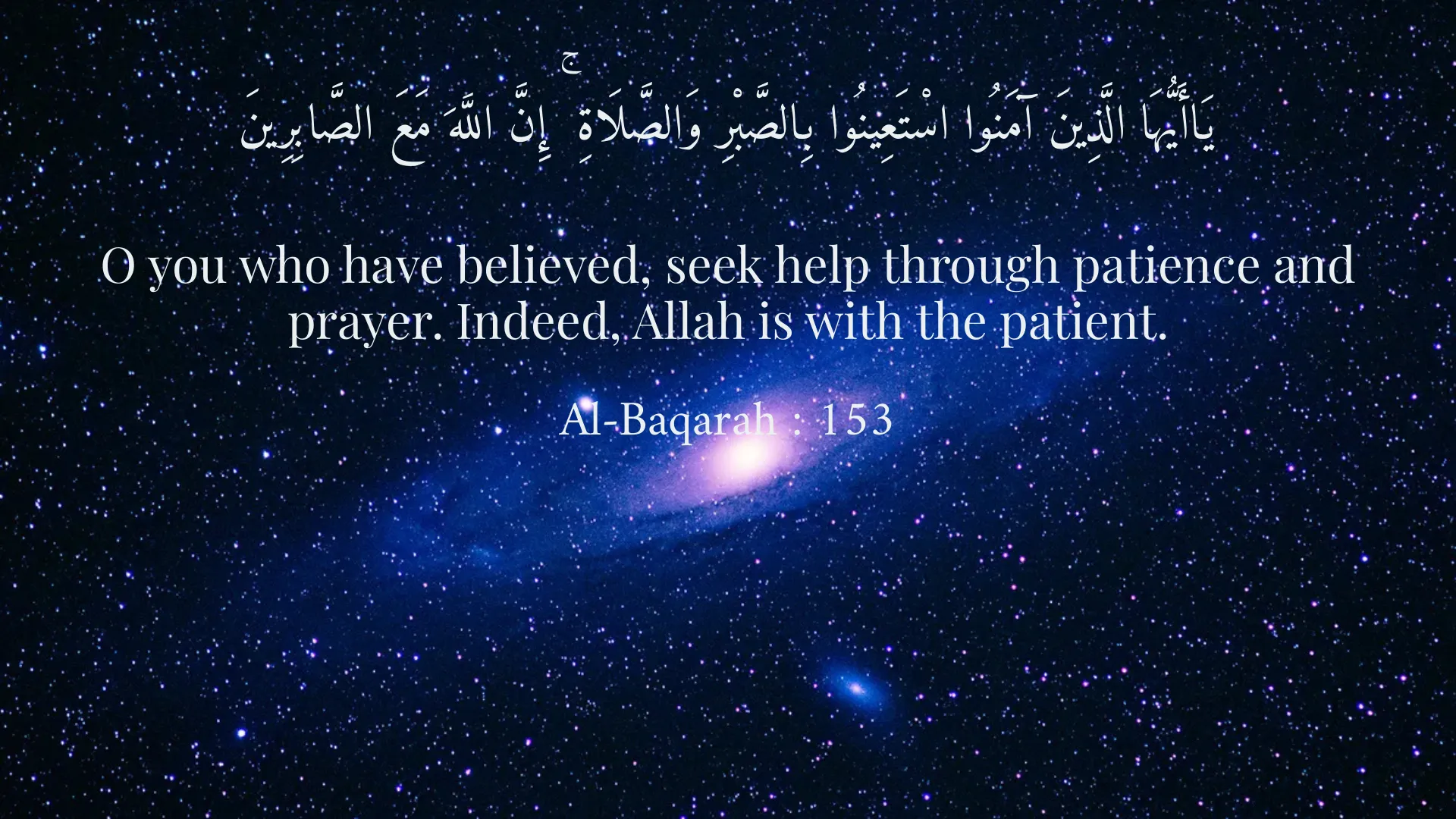
Patience is often described as a virtue, but its significance transcends mere moral quality; it occupies a critical position in human life. In many cultures and traditions, patience is revered as an essential asset that guides individuals through life's tribulations and vicissitudes. In Islam, patience is not only a valued trait but also a fundamental principle intricately woven into the fabric of faith. The Quran, as the holy scripture of Islam, extensively highlights the importance of patience, presenting it as a vital attribute that connects believers to Allah and their communities. This article aims to explore the multifaceted role of patience in human life, particularly through the lens of Islamic teachings, ultimately revealing how it contributes to spiritual growth, emotional resilience, and a sense of purpose in life. The Quran emphasizes patience in several verses, indicating that it is a means through which believers can attain a closer relationship with Allah. One of the most notable verses that encapsulate the essence of patience is found in Surah Al-Baqarah, verse 153. Here, God proclaims: "O you who have believed, seek help through patience and prayer. Indeed, Allah is with the patient." This powerful admonition serves as a reminder for the faithful to view patience as a source of strength and resilience during times of hardship. The interconnectedness of patience and prayer in this verse highlights the necessity for individuals to engage in both acts as a means of spiritual fortification. The importance of patience in navigating life's challenges cannot be overstated. In moments of despair, anguish, or crisis, it is patience that acts as a stabilizing force, providing the emotional and mental fortitude needed to persevere. When Allah tells us that He is with those who are patient, it implies that divine support accompanies individuals who adopt this trait. Thus, patience is not merely the absence of anger or frustration; rather, it is an active stance of faith and hope. It is a conscious choice to remain steadfast in one's beliefs despite the stormy seas of life. Furthermore, a complementary verse found in Surah Al-Imran, verse 186, reinforces the concept of divine companionship with the patient: "And be assured that Allah is with the patient." This guidance not only strengthens the bond between a believer and Allah but also reinforces the idea that patience is an intrinsic quality that shapes a person's character. By receiving Allah's support, individuals can better manage their trials and tribulations, emerging from them with deeper understanding and strength. The benefits of patience are not confined to spiritual development; they also extend into personal well-being and emotional health. When individuals practice patience, they cultivate emotional resilience, enabling them to withstand stress and anxiety with greater ease. For example, during periods of loss or disappointment, a patient disposition allows one to process their emotions productively rather than succumb to despair. By holding onto patience, an individual can shift their focus from immediate troubles to long-term aspirations, thereby fostering a more hopeful outlook on life. Moreover, patience is not a passive attribute; it often requires active engagement. To be truly patient, an individual must learn to manage their expectations and develop coping mechanisms for times of delay or adversity. This process includes self-reflection, mindfulness, and an understanding that challenges are often opportunities for growth. Thus, patience also equips individuals with practical skills that enhance their ability to navigate complex situations. By viewing patience as a skill to be cultivated, rather than just a reaction to stress, people can transform their life experiences into transformative learning opportunities. In many cases, the importance of patience becomes even more apparent when examining how it relates to community and relationships. A patient individual tends to display empathy and understanding towards others, fostering stronger bonds within families and communities. In relationships, for instance, conflicts often arise from misunderstandings and differing perspectives. A patient response – one that listens and considers rather than reacts – can lead to resolution and reconciliation. By embracing patience, individuals contribute to building harmoniously functioning societies that prioritize cooperation and mutual support. Islam teaches that the practice of patience leads to a profound understanding of the transient nature of life and the importance of gratitude. Believers are reminded that worldly troubles are temporary and that patience is among the tools that help them navigate life's brevity and uncertainty. In this context, patience becomes a critical approach to managing the inevitable disappointments and challenges that life presents. By cultivating a patient heart, a person can face adversities with poise, maintaining gratitude for the blessings that continue to exist amidst difficulty. In conclusion, patience emerges as a crucial component of human existence, particularly within the Islamic context; it serves as both a spiritual principle and a catalyst for personal growth. Emphasized repeatedly in the Quran, patience not only strengthens the relationship between individuals and Allah but also nurtures emotional resilience, enhances social bonds, and instills hope. Ultimately, the pursuit of patience can lead to a more meaningful life, one that is rich with experiences that lead to learning, understanding, and ultimately, inner peace. In a world increasingly filled with uncertainty and challenges, the virtues of patience ring ever more essential, serving as a guiding light for humanity as they navigate the complexities of life.
Related Verses
يَاأَيُّهَا الَّذِينَ آمَنُوا اسْتَعِينُوا بِالصَّبْرِ وَالصَّلَاةِ ۚ إِنَّ اللَّهَ مَعَ الصَّابِرِينَ
O you who have believed, seek help through patience and prayer. Indeed, Allah is with the patient.
Al-Baqarah : 153
وَلَتَسْتَبْشِرُوا أَن تَحَسَّنَتْ صَفَاتُكُمْ وَإِنَّ اللَّهَ مَعَ الصَّابِرِينَ
And be assured that Allah is with the patient.
Al-Imran : 186
Short Story
Once upon a time, a friend named Ali faced numerous challenges in his life. At times, he felt he couldn't go on anymore. One day, while reading the Quran, he came across a verse that made him realize the importance of patience. From then on, Ali decided to embrace patience in his life. He overcame his problems and no longer saw himself as a victim, but rather as someone who could learn from his experiences. In this way, Ali not only solved his issues but also attained inner peace.