Quranic Answer
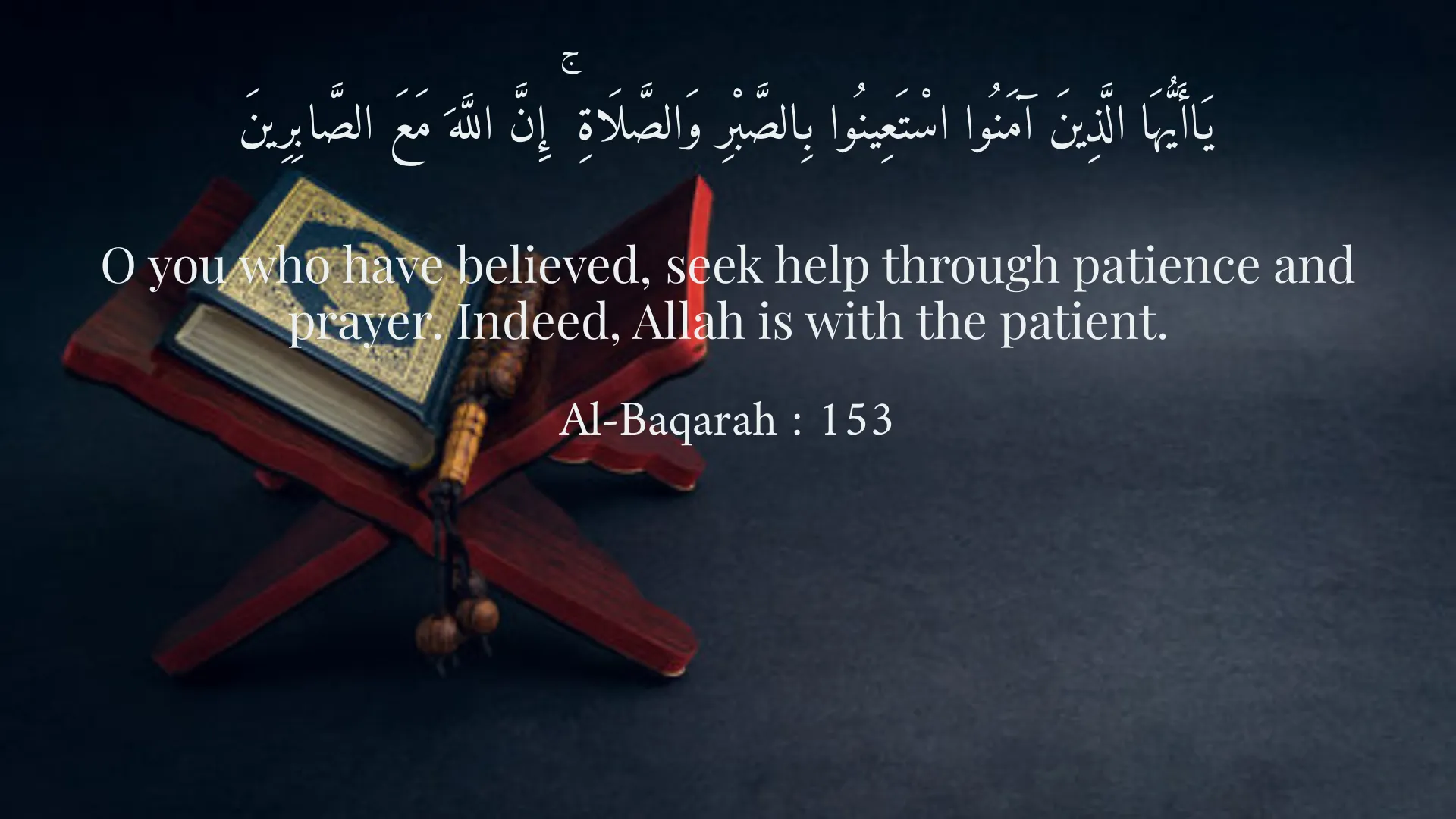
The concept of patience and waiting amidst trials and tribulations is a significant theme throughout the Holy Quran. As believers navigate their lives, they inevitably encounter moments of hardship and adversity, where the teachings of the Quran provide solace and guidance. In a world characterized by rapid change and uncertainty, the ancient wisdom embedded in these verses remains relevant and powerful. This article will deeply explore the emphasis on patience in the Quran, examining its implications, benefits, and historical contexts, while also discussing how patience can serve as a transformative force in the lives of individuals. In Surah Al-Baqarah, verse 153, Allah addresses the believers, urging them to "seek help through patience and prayer. Indeed, Allah is with the patient." This powerful directive highlights the dual tools that the Quran offers: patience and prayer. Together, they form a robust framework for individuals facing life's challenges. Prayer is a direct line of communication with Allah, a means through which believers can express their struggles, seek guidance, and find comfort. Patience, on the other hand, cultivates inner strength and composure, enabling individuals to navigate their difficulties with resilience. The necessity of patience in times of adversity is further reinforced in Surah Al-Imran, verse 200, where believers are instructed to "persevere and endure and remain stationed and fear Allah that you may be successful." This verse encapsulates the essence of persistence. It emphasizes that one must remain steadfast, stand firm in their faith, and maintain a conscious awareness of Allah in order to achieve success. The Quran teaches that trials are inherent in life; however, the approach to these trials is what defines one's character and faith. Patience is not simply passivity or resignation to one's fate. Instead, it is an active choice to confront challenges with a disciplined mindset. The concept of Sabr, or patience, in Islam goes hand in hand with the pursuit of solutions. When believers practice patience, they reinforce their inner resolve and empower themselves to take constructive steps to overcome their issues. Waiting and enduring hardship can also inspire creativity and resilience, compelling individuals to innovate and explore new avenues for problem-solving. Throughout history, countless examples from Islamic tradition illustrate the pivotal role patience has played. From the early days of Islam, when the Prophet Muhammad (peace be upon him) faced severe persecution, to countless other figures who exhibited remarkable perseverance, history is rife with narratives of successful outcomes achieved through steadfastness. The story of Prophet Job (Ayyub), who is known for his unparalleled patience during his afflictions, serves as a testament to the transformative power of patience. Despite enduring loss and suffering, Job's faith remained unshaken, providing an enduring example of resilience. The significance of patience transcends religious texts; it is a universal quality that resonates with humanity at large. In contemporary society, where instant gratification is often sought, the ability to wait and exercise patience can be a true virtue. The fast-paced lifestyle we lead can foster a sense of urgency, causing individuals to act impulsively or abandon goals in the face of adversity. However, those who learn to embrace patience not only cultivate resilience but are also likely to achieve greater satisfaction in their pursuits. Psychological studies support the notion that patience is linked to positive mental health outcomes. Individuals who practice patience tend to experience lower levels of stress and anxiety, as they approach life's setbacks with a mindset of acceptance rather than frustration. This alignment with a patient attitude fosters emotional stability and enhances problem-solving abilities. Patience encourages a reflective mindset, urging individuals to contemplate their circumstances and recognize the potential for growth in adversity. Moreover, the collective lessons derived from the emphasis on patience in the Quran are beneficial for communities and societies. When individuals practice patience, they create an atmosphere of understanding, empathy, and shared strength. This collective perseverance can lead to significant social change, fostering bonds among community members and encouraging collaborative efforts toward common goals. History has shown that entire movements rooted in patience and perseverance have sparked profound transformations. The Quran's teachings extend patience beyond personal trials and tribulations. Patience encompasses the ability to advocate for justice, endure societal challenges, and work collectively towards progress, all while maintaining faith in a better future. In societal contexts, patience acts as a catalyst for change, recognizing that enduring struggles—whether they be social injustices, inequality, or violence—cannot be remedied overnight. Progress is often gradual, requiring committed individuals to remain determined despite setbacks. In conclusion, patience emerges as a fundamental virtue in the Quran that conveys profound wisdom. It is intricately linked with prayer, self-control, and resilience, leading to both personal and communal growth. The lessons embedded within verses such as Surah Al-Baqarah 153 and Al-Imran 200 elucidate that patience in life's challenges shapes not only the individuals who practice it but also the society they inhabit. Believers are reminded that worthwhile endeavors cannot be rushed; they demand patience, effort, and faith. Through the lens of patience, individuals can transform obstacles into opportunities for growth, and history reaffirms that spiritual and personal victories often blossom from the seeds of patience sown in the fields of adversity. In embracing patience, believers find strength in hardships and, ultimately, hope in the promise of Allah's companionship that reassures them, "Indeed, Allah is with the patient."
Related Verses
يَاأَيُّهَا الَّذِينَ آمَنُوا اسْتَعِينُوا بِالصَّبْرِ وَالصَّلَاةِ ۚ إِنَّ اللَّهَ مَعَ الصَّابِرِينَ
O you who have believed, seek help through patience and prayer. Indeed, Allah is with the patient.
Al-Baqarah : 153
يَا أَيُّهَا الَّذِينَ آمَنُوا اصْبِرُوا وَثَابِرُوا وَرَابِطُوا وَاتَّقُوا اللَّهَ لَعَلَّكُمْ تُفْلِحُونَ
O you who have believed, persevere and endure and remain stationed and fear Allah that you may be successful.
Al-Imran : 200
Short Story
One day, a young man named Ali faced difficulties in his studies and lost hope. He decided to turn to the Quran and read its verses. After a while, he came across a verse that stated: 'O you who have believed, seek help through patience and prayer.' Inspired by this verse, Ali decided to be patient and continue his efforts. Gradually, he was able to overcome his challenges and succeed.