Quranic Answer
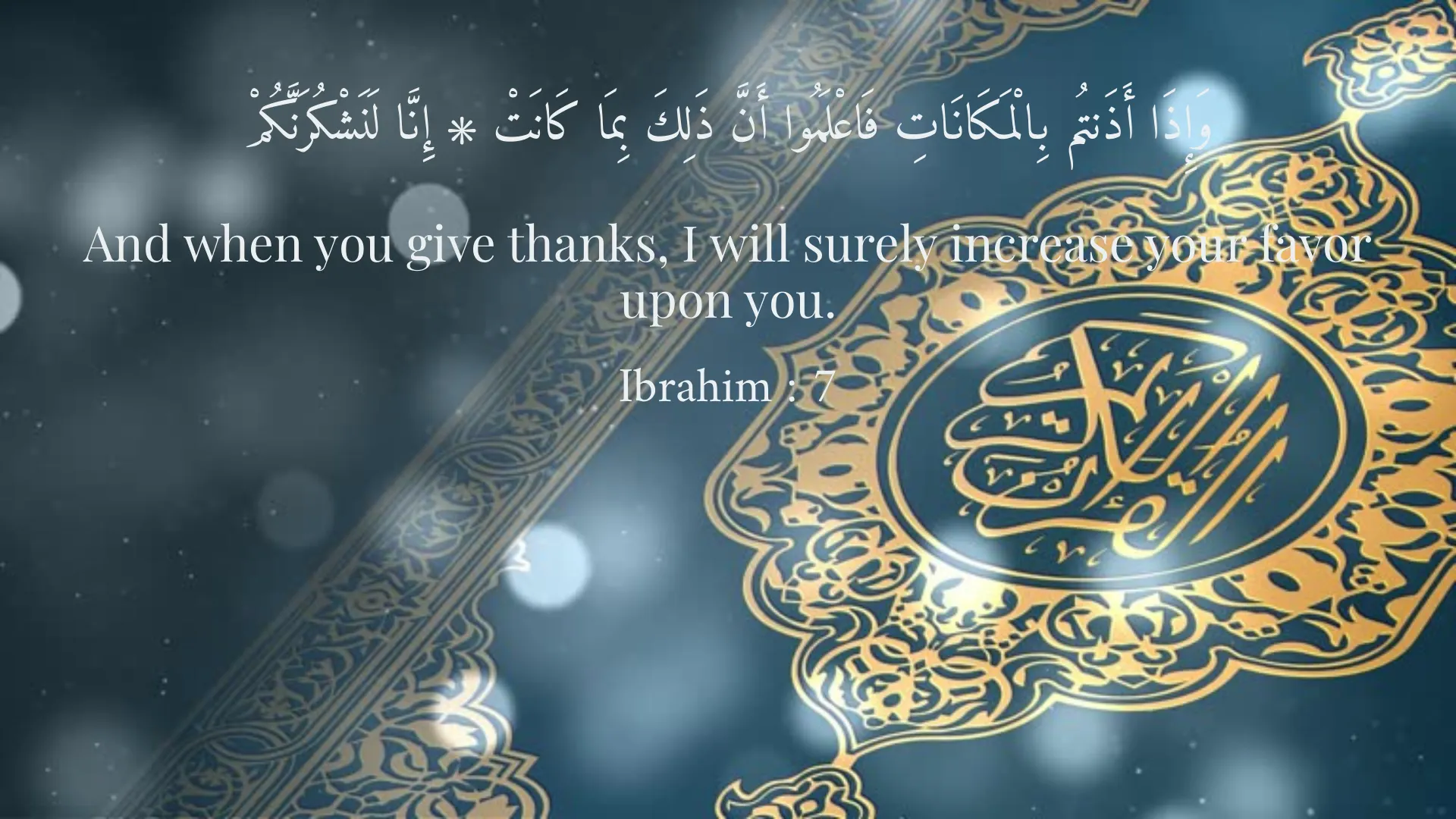
In the Holy Quran, the theme of gratitude towards blessings and ingratitude towards them is significantly emphasized in various verses. The Quran serves as a comprehensive guide to humanity, offering profound insights into spiritual, ethical, and social dimensions of life. Among these themes, the importance of gratitude stands out as a vital aspect of a believer's relationship with their Creator. Understanding gratitude not only enhances individual spirituality but also enriches social interactions and community ties. Therefore, it is essential to delve deeper into this theme to appreciate its significance and implications in our everyday lives. The concept of gratitude, or 'shukr' in Arabic, encompasses a wide range of meanings, reflecting an acknowledgment of what we have been given and expressing appreciation for those blessings. Gratitude is not merely a passive feeling but an active response to the bounties that God has bestowed upon us. In exploring the Quranic verses that address gratitude, we discover the reciprocal nature of this relationship—when we give thanks, it opens the doors for more blessings to overflow in our lives. The Divine Connection: Gratitude and Blessings One of the strongest reminders in the Quran can be found in Surah Ibrahim, verse 7, which states: "And when you give thanks, I will surely increase your favor upon you." This powerful statement encapsulates the idea that gratitude can lead to a blessing multiplier effect. Essentially, Allah is encouraging His servants to recognize and express thankfulness for their existing favors, with the promise of additional blessings in return. This principle is grounded in an understanding that human beings often overlook the abundance in their lives, allowing challenges and hardships to overshadow their perception of good fortune. However, it is worth noting that the act of gratitude is not only about acknowledging favorable circumstances. It is also about cultivating a mindset that seeks the positive even amid adversity. When individuals consistently remind themselves of their blessings, they foster an attitude of appreciation, which can lead to resilience in the face of difficulties. The Islamic perspective encourages believers to find silver linings in their trials, which can be a powerful antidote to becoming desensitized or indifferent to God’s endless favors. The Shadows of Ingratitude Conversely, failing to appreciate God’s blessings can lead to spiritual desolation. In Surah An-Nisa, verse 147, it is stated: "What would Allah do with your punishment if you are grateful and believe?" This thought-provoking verse emphasizes the merciful nature of God, who does not intend to punish His servants if they maintain a spirit of gratitude and faith. This leads us to consider one of the core reasons why individuals may become ungrateful: the neglect of existing blessings. Often, people become preoccupied with their challenges, focusing on what they lack instead of what they possess. This shift in focus can create a downward spiral, where ingratitude leads to despair, and despair can further cloud one's ability to recognize and appreciate available blessings. Furthermore, the social and communal consequences of ingratitude cannot be overlooked. Ingratitude can sow seeds of dissatisfaction and discord within communities, while gratitude fosters compassion and understanding among individuals. By acknowledging the inherent goodness in our lives and extending appreciation towards others, we cultivate a healthier society, rooted in mutual respect and kindness. Practicing Gratitude Recognizing the profound impact gratitude has on both personal psyche and communal harmony, one effective way to cultivate this virtue is through deliberate practices. Allocating time for reflection upon one’s blessings is crucial. This could involve maintaining a gratitude journal, where individuals regularly document things they are grateful for. Engaging in daily reflection can serve as a powerful reminder of the abundance present in one’s life. Another practice is the act of verbalizing gratitude. Expressing appreciation to others not only reinforces the feelings of thankfulness within oneself but also strengthens relationships. Whether it is a simple "thank you" to a loved one or expressing appreciation to a colleague, acknowledgment fosters a culture of gratitude that can ripple through the community. Moreover, prayer is a vital element within Islam that emphasizes gratitude. The practice of Salah (prayer) includes moments dedicated to thanking Allah for His countless blessings. This structured form of worship reminds believers to remain aware of and grateful for the gifts they have received. Establishing a routine that incorporates expressions of gratitude through prayer and meditation can have a long-lasting positive effect on an individual's emotional and spiritual well-being. The Role of Remembrance One of the most effective strategies to combat ingratitude is the cultivation of remembrance, or 'dhikr', which translates to the remembrance of God. This practice involves repeating phrases that glorify Allah, reflecting on His attributes, and acknowledging the gifts bestowed upon us. Such remembrance can significantly shift one’s perspective, aligning focus back to the divine blessings that are often taken for granted. Furthermore, it is essential to remember that gratitude is not merely an individual endeavor. It has the power to transform communities. When individuals collectively practice gratitude, they create an environment fostering empathy and cohesion. Working together to encourage gratitude can enable societies to overcome communal challenges and move toward collective prosperity and peace. Conclusion In conclusion, the theme of gratitude in the Holy Quran holds immense significance for individual believers and their communities. Quranic verses remind us of the reciprocal relationship between gratitude and blessings, encouraging a shift in focus from despair to appreciation. By actively practicing gratitude through reflection, expression, prayer, and remembrance, individuals can combat the ingratitude that threatens to overshadow their lives. Ultimately, fostering a culture of gratitude not only enhances personal well-being but also strengthens societal bonds—creating an environment where blessings can multiply and be shared among all. In essence, gratitude is a powerful tool that can uplift the spirit, deepen one’s faith, and enrich interpersonal relationships, thus fulfilling its divine purpose.
Related Verses
وَإِذَا أَذَنتُم بِالْمَكَانَاتِ فَاعْلَمُوا أَنَّ ذَلِكَ بِمَا كَانَتْ ۞ إِنَّا لَنَشْكُرَنَّكُمْ
And when you give thanks, I will surely increase your favor upon you.
Ibrahim : 7
مَا يَفْعَلُ اللَّهُ بِعَذَابِكُمْ إِن شَكَرْتُمْ وَآمَنتُمْ
What would Allah do with your punishment if you are grateful and believe?
An-Nisa : 147
Short Story
One day, a young man named Amir was walking in the park and reflecting on his life. Suddenly, he realized that he had been overlooking all the blessings he had, such as family, health, and good friends. He decided to dedicate a day to gratitude and thank God for everything He had given him. From that day on, Amir experienced a greater sense of peace and joy in his life.