Quranic Answer
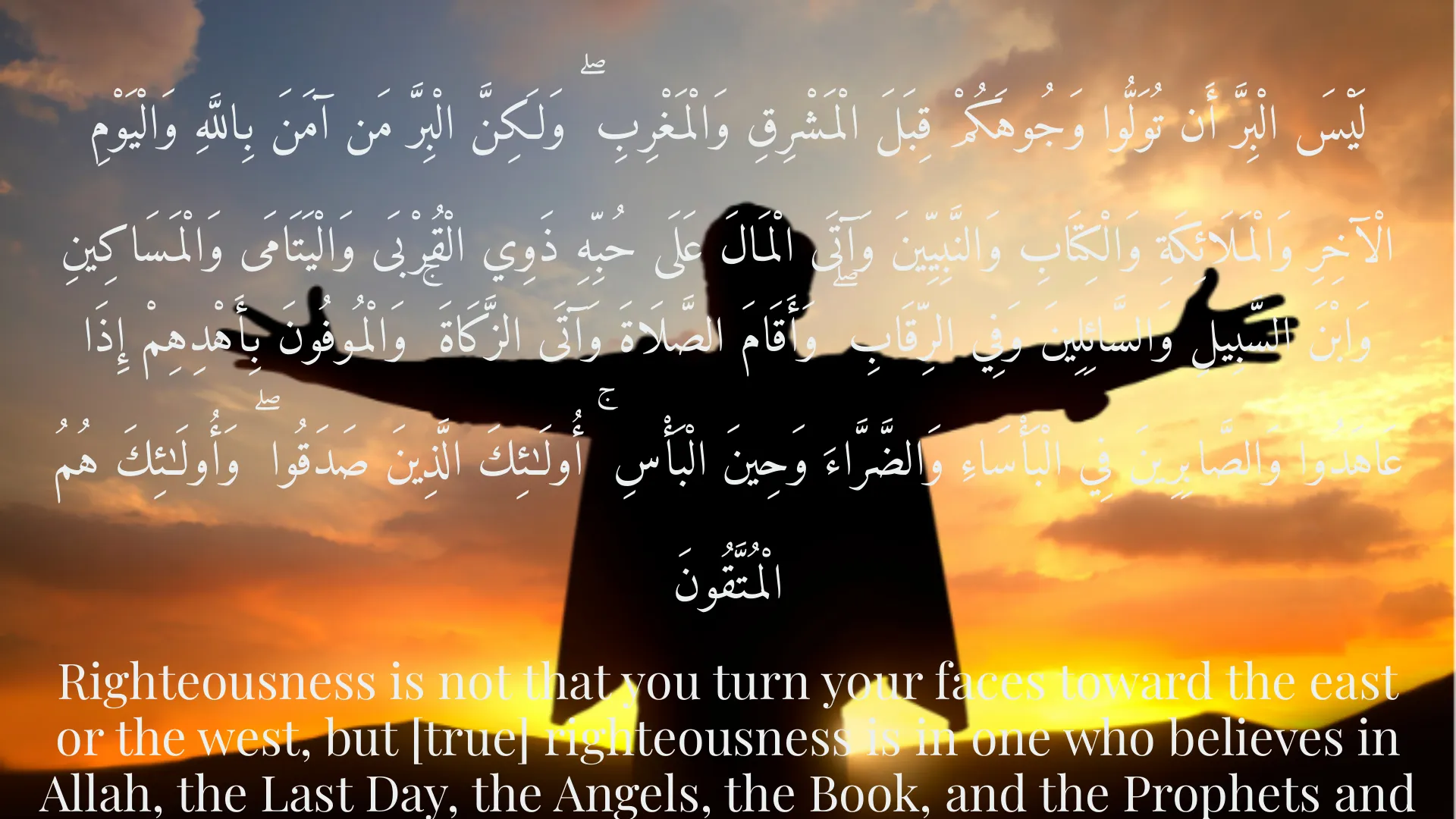
In the Holy Quran, there is a strong emphasis on performing good deeds, a theme that resonates deeply with the moral and ethical underpinnings of Islamic teaching. The concept of good deeds transcends beyond mere actions; they embody a reflection of one’s faith, character, and spiritual essence. It is essential to understand the multifaceted nature of good deeds and the impact they can have on individuals, communities, and society as a whole. Good deeds are often understood as actions that benefit others and promote well-being, compassion, and generosity. They can manifest in various forms, including charity, kindness, honesty, and adherence to promises. As indicated in Surah Al-Baqarah, verse 177, charity and helping others are signs of faith and righteous conduct. The verse highlights that performing good deeds is not only an act of kindness but a manifestation of one’s belief in the divine, making it clear that such actions are intertwined with spirituality. One of the fascinating aspects of good deeds is how they can become habitual over time. This habitual nature often stems from the religious upbringing individuals receive during their childhood and adolescence. Growing up in an environment that encourages moral behavior lays the foundation for a lifetime of virtuous conduct. When individuals are raised with values that emphasize compassion, generosity, and service to others, these behaviors can become intrinsic to their identity. This raises an important question: are individuals always aware of the intentions behind their good deeds? In many instances, one may perform acts of kindness out of habit or routine, not necessarily contemplating the underlying intention. This raises an essential theological discussion about the significance of intentions in Islam. The Quran emphasizes the importance of having pure intentions when performing any act, including good deeds. The notion of "niyyah" (intention) is integral to Islam, as Prophet Muhammad (PBUH) stated, 'Actions are judged by intentions.' When good deeds become habitual, they do not merely remain actions; they evolve into reflections of a person’s character and faith. In Surah Al-Mu’minun, verse 9, Allah emphasizes that true believers are those who keep their promises. This verse underscores the importance of integrity and responsibility in shaping an individual's daily behaviors. Keeping promises is not just a social expectation; it is a spiritual commitment demonstrating reliability and trustworthiness. Moreover, the commitment to good deeds can serve as a guiding principle in various aspects of life. The more individuals engage in benevolent actions, the more they reinforce their moral compass. The practice of consistently performing good deeds can create a ripple effect within communities, positively influencing family members, friends, and even strangers. The cumulative impact of good deeds becomes a testament to the values enshrined in the Quran and the teachings of Prophet Muhammad (PBUH). The importance of good deeds is further amplified during times of hardship. Individuals may find solace and strength in helping others, fostering a sense of community, and building resilience. When people come together to support each other, they embody the very essence of human compassion, which is a core message in the Quran. During difficult times, a commitment to good deeds can generate hope and positivity, creating a supportive network where individuals uplift one another. In addition to personal growth, performing good deeds can enhance one's relationship with God. Good deeds serve as instruments for drawing closer to the divine, as they reflect sincere devotion and love for humanity. The Quran encourages believers to engage in acts of kindness as a means of worship and devotion, reinforcing the idea that good deeds are pathways to spiritual enlightenment. The connection between good deeds and faith is portrayed in a way that encourages believers to view actions as a form of worship and a means of seeking Allah's pleasure. Yet, it is imperative to approach the practice of good deeds with mindfulness and self-awareness. Individuals must strive to ensure that their actions align with their beliefs and values. The integration of good deeds into one’s life should not be a mechanical exercise; instead, it should stem from a genuine desire to contribute positively to society. The essence of good deeds lies not only in the action itself but in the spirit with which it is undertaken. Furthermore, the role of community in encouraging good deeds cannot be overlooked. Communities that celebrate and promote charitable actions create an environment conducive to continuous positivity and goodwill. This communal support often inspires individuals to engage in philanthropic efforts and cultivate a shared sense of purpose. By creating spaces where good deeds are recognized and celebrated, communities can strengthen social bonds and reinforce the importance of moral values. In light of all these aspects, one could conclude that the importance of habituating oneself to good deeds is paramount for everyone. Not only do these actions resonate deeply with individuals’ essence and spirit, but they encompass a broader function of fostering social harmony and compassion. Good deeds should transcend the realm of mere physical acts; they should be perceived as avenues for personal growth, spiritual fulfillment, and societal improvement. By internalizing the teachings of the Quran and striving to embody the principles of good conduct, individuals can cultivate lives rich in meaning and purpose. Ultimately, the emphasis placed on good deeds in Islam serves to remind believers of their ethical obligations, the significance of their intentions, and the profound impact of their actions. It is a call to reflect on one’s conduct and its implications, inspiring a journey towards righteousness and closeness to Allah. In practice, this entails a commitment to not only engage in good deeds habitually but to foster a mindset where each action is motivated by genuine faith and love for others. In essence, good deeds are not just acts of charity; they are a pathway toward spiritual enlightenment, compassion, and a deeper connection with community and faith.
Related Verses
لَيْسَ الْبِرَّ أَن تُوَلُّوا وَجُوهَكُمْ قِبَلَ الْمَشْرِقِ وَالْمَغْرِبِ ۖ وَلَكِنَّ الْبِرَّ مَن آمَنَ بِاللَّهِ وَالْيَوْمِ الْآخِرِ وَالْمَلَائِكَةِ وَالْكِتَابِ وَالنَّبِيِّينَ وَآتَى الْمَالَ عَلَى حُبِّهِ ذَوِي الْقُرْبَى وَالْيَتَامَى وَالْمَسَاكِينِ وَابْنَ السَّبِيلِ وَالسَّائِلِينَ وَفِي الرِّقَابِ ۖ وَأَقَامَ الصَّلَاةَ وَآتَى الزَّكَاةَ ۚ وَالْمُوفُونَ بِأَهْدِهِمْ إِذَا عَاهَدُوا وَالصَّابِرِينَ فِي الْبَأْسَاءِ وَالضَّرَّاءَ وَحِينَ الْبَأْسِ ۚ أُولَـٰئِكَ الَّذِينَ صَدَقُوا ۖ وَأُولَـٰئِكَ هُمُ الْمُتَّقُونَ
Righteousness is not that you turn your faces toward the east or the west, but [true] righteousness is in one who believes in Allah, the Last Day, the Angels, the Book, and the Prophets and gives his wealth, in spite of his love for it, to relatives, orphans, the needy, the traveler, those who ask [for help], and for freeing slaves; and [who] establishes prayer and gives zakah; [those who] fulfill their promise when they promise; and [those who] are patient in poverty and hardship and during battle. Those are the ones who have been true, and it is those who are the righteous.
Al-Baqarah : 177
وَالَّذِينَ هُمْ لِأَمَانَاتِهِمْ وَعَهْدِهِمْ رَاعُونَ
And they who are to their trusts and their covenant due.
Al-Mu'minun : 9
Short Story
One day, a young man named Amir remembered his father's words, who always said, 'Perform good deeds, even if they are habitual, with a pure heart and intention.' Amir decided to go to the mosque for the morning prayer. After a while of doing this regularly, he realized that besides the blessings and peace from the prayer, his spirit had also transformed. This change reminded him that good deeds could become good habits and positively influence his life.