Quranic Answer
The Holy Quran, as a profound source of guidance for humanity, addresses many aspects of life, including the myriad of challenges individuals face on their daily journey. In particular, it provides insight into the emotional and psychological struggles that people endure, highlighting the essential human experience of navigating through trials and tribulations. This article delves into the theme of life's challenges as presented in the Quran, with a focus on the significance of patience, faith, and reliance on God during periods of fatigue, despair, and uncertainty. Life is inherently a mix of joys and sorrows. As humans, we often encounter moments that leave us feeling tired and disillusioned, whether due to personal circumstances, societal expectations, or economic hardships. In Surah Al-Baqarah, verse 155, Allah communicates a crucial message: "And We will surely test you with something of fear and hunger, and a loss of wealth and lives and fruits, but give good tidings to the patient." This verse serves as a powerful reminder that trials are a natural part of existence and that they may manifest in various forms, such as fear, loss, or sustenance shortages. The divine promise of good tidings to those who exhibit patience offers a significant source of comfort and motivation for individuals facing adversity. The Quran does not shy away from addressing the stark realities of life. Instead, it embraces the concept of testing and encourages believers to prepare themselves for inevitable challenges. This preparation is crucial, as it fosters resilience and fortitude in individuals, equipping them to better navigate periods of distress. Surah Al-Imran, verse 186 echoes this sentiment: "You will surely be tested in your properties and your lives." This reiteration of life's testing nature emphasizes that struggles are universal and cannot be avoided. As people encounter financial adversities, emotional turmoil, or even the loss of loved ones, there may be moments of severe fatigue and tiredness, leading them to question their own worth and faith. In such situations, individuals may feel isolated in their suffering, thinking that they are alone in their battles. The Quran, however, provides a different perspective. It reinforces the notion that hardship is a shared experience, binding humanity through a common thread of challenges. It also teaches that moments of difficulty can serve as catalysts for personal growth and spiritual awakening. The concept of patience, or 'Sabr' in Arabic, is one of the core tenets the Quran encourages amidst life's challenges. Patience involves not just the endurance of one's circumstances but a conscious effort to maintain a positive and hopeful outlook in the face of adversity. By practicing patience, individuals can find solace in their struggles, understanding that they are part of a divine plan. The Quran recognizes human vulnerability and offers guidance on how to cope with life's obstacles effectively. In times of despair, the Quran urges believers to turn toward Allah for strength and support. The act of supplication, or 'Dua', is deeply encouraged in the Quran, allowing individuals to express their vulnerabilities and seek assistance from their Creator. This can bring a sense of peace and comfort, as believers remind themselves that they are never truly alone. Surah Al-Baqarah, verse 286 assures, "Allah does not burden a soul beyond that it can bear." This assurance serves as a prompt for self-reflection and encourages individuals to approach their challenges with renewed determination. Moreover, the Quran emphasizes the importance of community and togetherness during difficult times. In Islam, supporters and companions play a vital role in uplifting one another during trials. The notion of shared responsibility and empathy fosters a sense of belonging and collective resilience, reminding individuals that everyone experiences challenges at some point. This connectedness can significantly alleviate feelings of isolation and despair, allowing individuals to find strength in unity while navigating through their challenges. In conclusion, the Holy Quran presents a holistic understanding of the challenges humans face in their lives, encouraging believers to recognize, embrace, and endure their trials with resilience and patience. The wisdom imparted through its verses offers hope, urging individuals to rely on their faith in Allah and maintain courage despite feelings of tiredness and despair. Through the practice of patience, prayer, and community support, individuals can successfully navigate the ups and downs of life, transforming adversities into opportunities for growth and deeper faith. Ultimately, the Quran teaches that the journey through life's challenges is not only inevitable but also a profound pathway to spiritual development and fulfillment.
Related Verses
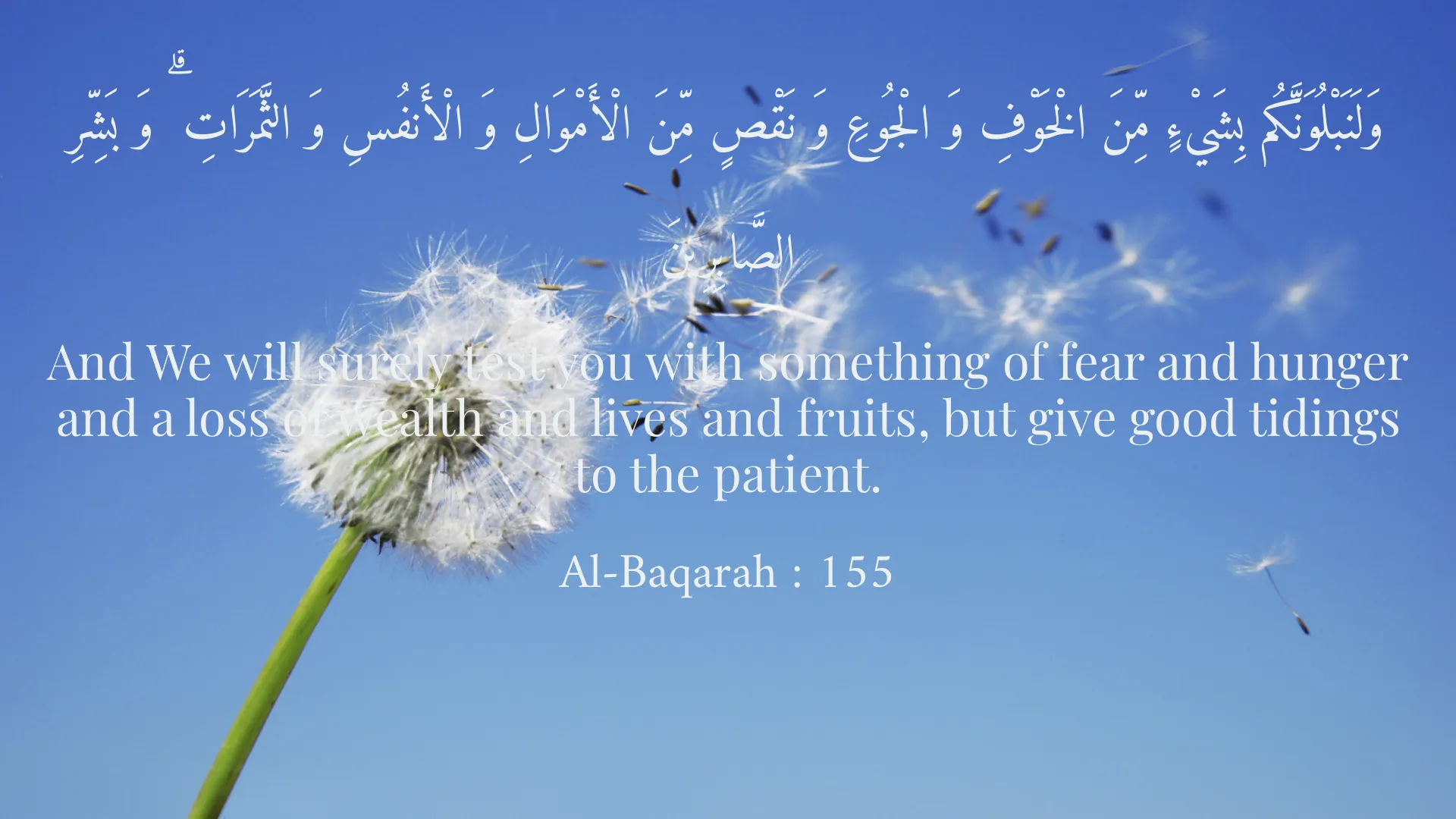
وَلَنَبْلُوَنَّكُم بِشَيْءٍ مِّنَ الْخَوْفِ وَ الْجُوعِ وَ نَقْصٍ مِّنَ الْأَمْوَالِ وَ الْأَنفُسِ وَ الثَّمَرَاتِ ۗ وَ بَشِّرِ الصَّابِرِينَ
And We will surely test you with something of fear and hunger and a loss of wealth and lives and fruits, but give good tidings to the patient.
Al-Baqarah : 155
لَتُبْلَوُنَّ فِي أَمْوَالِكُمْ وَ أَنفُسِكُمْ
You will surely be tested in your properties and your lives.
Al-Imran : 186
Short Story
Once upon a time in a village, there was a man named Amir who felt tired of his life. He worked hard every day but never felt happiness. One day he went to the mosque and while listening to the Quran, he reflected on its verses. After that, he decided to be more patient with his struggles and to rely on God. Over time, he found happiness and peace in his life and did not lose hope in himself.