Quranic Answer
Title: The Nature of Worship Fatigue and Its Implications for Believers Introduction Feeling tired of worship is a natural sensation that can occur to anyone, irrespective of their spiritual standing or commitment to their faith. This experience, often misunderstood as a sign of weakness in one's belief, can actually serve as a crucial turning point for deeper introspection and a renewed connection with the divine. In understanding the complexities surrounding worship fatigue, it is essential to turn to the Holy Quran, which provides profound insights on how to navigate these challenging feelings while reinforcing the importance of consistent worship in a believer's life. The Nature of Worship Worship, in its many forms, is a fundamental component of the Islamic faith and is designed to be a continuous stream, integrating into the daily lives of believers. Acts of worship are not limited to prayer or rituals but encompass a wide array of actions that reflect gratitude, humility, and submission to Allah. The Quran serves as a guide, illustrating the multidimensional nature of worship and emphasizing that it can equate to anything that draws an individual nearer to God. Challenges and Difficulties At times, facing challenges and difficulties in life can lead to fatigue and disillusionment with worship. Events such as loss, stress, and isolation can weigh heavily on a person's heart and spirit, making it seemingly difficult to maintain enthusiasm for religious duties. The commitment to worship may start to feel burdensome, and the ritualistic aspects of faith can start to resonate as mere obligations, devoid of the joy and spiritual connection they once provided. This disillusionment should not be labeled as spiritual failure; instead, it can be seen as a natural part of the human experience. Divine Guidance during Tough Times In Surah Al-Baqarah, verse 153, Allah commands believers to seek help through patience and prayer: "O you who have believed, seek help through patience and prayer. Indeed, Allah is with the patients." This powerful verse teaches us that during tough times, prayer and connection with God can bring us peace and strengthen us. It highlights the importance of turning to Allah in moments of distress, encouraging believers to develop resilience and find solace in their faith. The act of pausing and engaging in prayer can catalyze a transformation from feelings of fatigue to empowerment. Understanding Personal Limits Additionally, verse 286 of Surah Al-Baqarah reassures believers that Allah does not burden a soul beyond its capacity: "Allah does not burden a soul beyond that it can bear..." This verse provides immense relief for anyone who feels overwhelmed by the demands of worship. It serves as a poignant reminder that individuals are not expected to worship beyond their physical, emotional, or spiritual capabilities. This understanding fosters a compassionate approach to self-care and encourages a healthy balance between worship and worldly responsibilities. Recognizing Fluctuations in Motivation As such, it is crucial to recognize that it is normal for individuals to feel fluctuations in their motivation for worship. Environmental circumstances, personal challenges, life transitions, and mental health can all influence a believer's engagement in acts of worship. Thus, it is vital to cultivate an attitude of compassion toward oneself during periods of worship fatigue and to refrain from self-judgment. Rather than viewing these phases as failures, they can be perceived as opportunities for growth, requiring a more profound examination of one's spiritual needs. Reframing Worship as a Source of Well-being In such moments of fatigue, it is beneficial to remind ourselves that worship is not only for God but also for our well-being. When approached with sincerity, worship can bring peace and happiness into our lives. Engaging in rituals like prayer, reading the Quran, or performing good deeds can act as restorative practices that positively affect our mental state and reinvigorate our spirit. Worship can be a medium through which believers can reconnect with their higher purpose and find healing from life’s burdens. Interpreting Worship through Gratitude Moreover, practicing gratitude through worship can help counteract feelings of tiredness. By reflecting on the blessings in one’s life and expressing gratitude to Allah, individuals can foster a greater sense of contentment and joy. This can transform the approach to worship from being purely duty-driven to a more joyous and fulfilling experience. Engaging in acts of worship from a place of gratitude can renew one’s sense of purpose and enhance the overall spiritual journey. Seeking Community Support Additionally, seeking support from the community can be an effective strategy to combat worship fatigue. Engaging with others who share the same beliefs can create an uplifting environment that encourages persistence in worship practices. Community worship settings, such as congregational prayers or study circles, can lend motivation and inspiration. Being part of a community fosters connections, compassion, and shared experiences that can rejuvenate one's commitment to worship. Conclusion In conclusion, fatigue associated with worship is an intrinsic part of the spiritual journey that all believers may encounter at one point or another. By turning to the Holy Quran for guidance and remembering that Allah never burdens a soul beyond its capacity, individuals can cultivate resilience and maintain their connection to faith. Acknowledging fluctuations in motivation, reframing worship as an integral part of well-being, and seeking communal support can strengthen one's spiritual practice. Ultimately, worship should be a source of peace, joy, and purpose in life, allowing believers to navigate the challenges of existence with grace and faith.
Related Verses
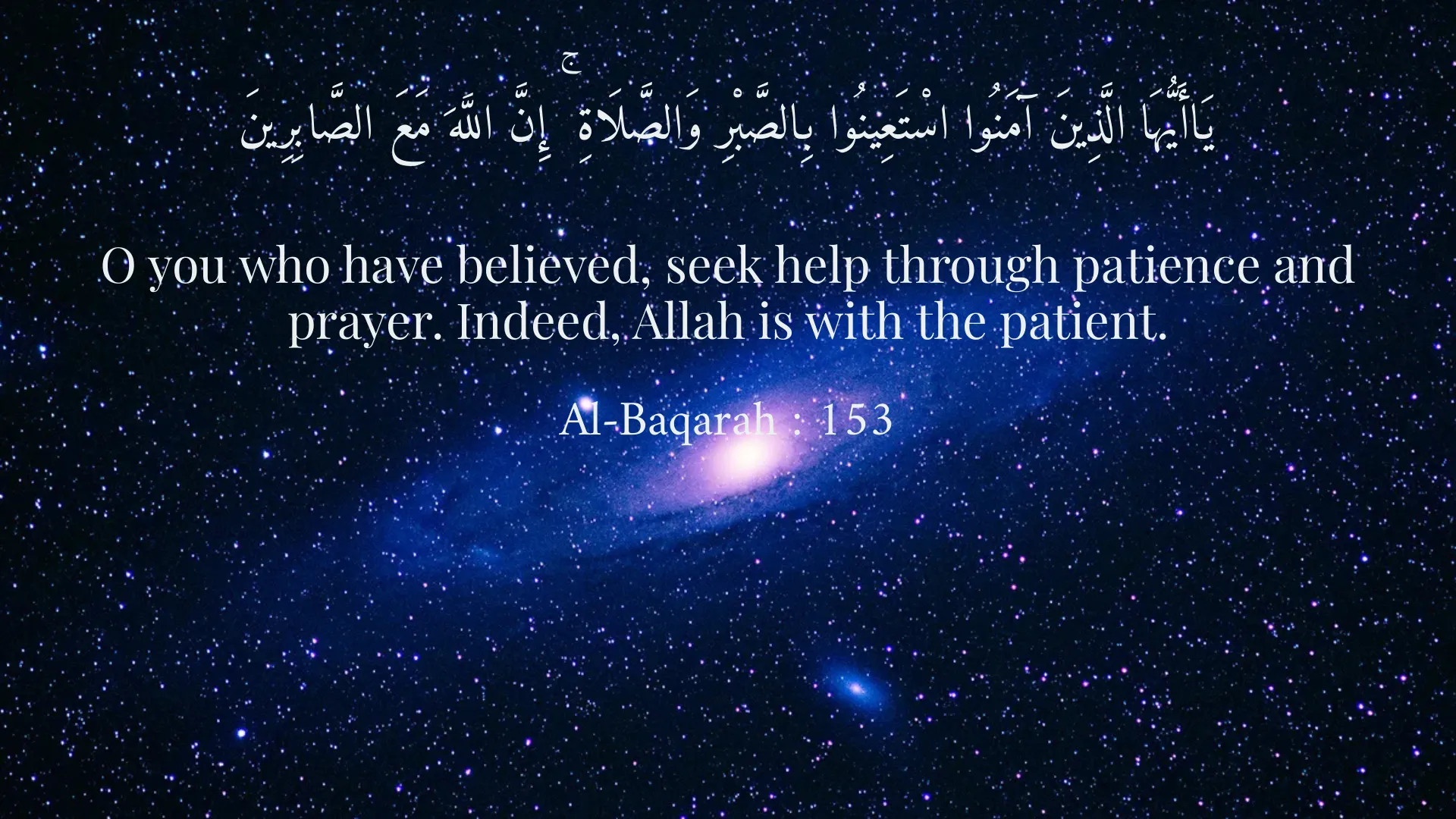
يَاأَيُّهَا الَّذِينَ آمَنُوا اسْتَعِينُوا بِالصَّبْرِ وَالصَّلَاةِ ۚ إِنَّ اللَّهَ مَعَ الصَّابِرِينَ
O you who have believed, seek help through patience and prayer. Indeed, Allah is with the patient.
Al-Baqarah : 153
لَا يُكَلِّفُ اللَّهُ نَفْسًا إِلَّا وُسْعَهَا ۚ لَهَا مَا كَسَبَتْ وَعَلَيْهَا مَا اكتَسَبَتْ ۗ رَبَّنَا لَا تُؤَاخِذْنَا إِن نَّسِينَا أَوْ أَخْطَأْنَا ۚ رَبَّنَا وَلَا تَحْمِلْ عَلَيْنَا إِصْرًا كَمَا حَمَلْتَهُ عَلَى الَّذِينَ مِن قَبْلِنَا ۚ رَبَّنَا وَلَا تُحَمِّلْنَا مَا لَا طَاقَةَ لَنَا بِهِۦ ۖ وَاعْفُ عَنَّا وَاغْفِرْ لَنَا وَارْحَمْنَا أَنتَ مَوْلَانَا فَانصُرْنَا عَلَى الْقَوْمِ الْكَافِرِينَ
Allah does not burden a soul beyond its capacity. It will have [the consequence of] what [good] it has gained, and it will bear [the consequence of] what [evil] it has earned. Our Lord, do not impose blame upon us if we have forgotten or made a mistake. Our Lord, and lay not upon us a burden like that which You laid upon those before us. Our Lord, and burden us not with that which we have no ability to bear. And pardon us; and forgive us; and have mercy upon us. You are our protector, so give us victory over the disbelieving people.
Al-Baqarah : 286
Short Story
One day, Ammar, a committed and faithful man, was praying in the mosque. He pondered, 'Why do I sometimes feel tired of worship?' He then recalled the Quranic verses that reference patience and prayer. He realized that feeling exhausted is not a sign of weakness but an opportunity to strengthen his connection with God. Ammar decided to continue his worship and use it as a source of peace and spiritual fulfillment. On this journey, he found an inner calm and once again felt rejuvenated.