Quranic Answer
Prayer is one of the fundamental obligations in Islam and holds a pivotal role in establishing and nurturing the connection between believers and their Creator. It is not just a set of physical actions performed at designated times throughout the day; rather, it is a profound spiritual act that engages the heart and mind alike. Despite this importance, many individuals may find themselves struggling to experience genuine spiritual emotions during their prayers. This lack of emotional depth can stem from several factors, including a deficiency in focus and intention during the act of praying. The concept of intention, or 'niyyah,' is a fundamental principle in Islamic worship. It is the very essence of the act that determines its value and acceptance by God. In the Holy Quran, various verses accentuate the significance of having a pure heart and sincere intentions when engaging in any form of worship. In Surah Al-Baqarah, verse 177, Allah states that true righteousness is not merely in the performance of rituals, but rather in acts of charity, justice, and goodness that must be carried out with a heartfelt intention. This principle is equally applicable to prayer. When believers perform their prayers mechanically or without a genuine sense of devotion, it can lead to feelings of spiritual emptiness and disconnection from God. Moreover, Surah Al-Anfal, verse 28 reminds believers that worldly possessions and familial attachments can serve as trials. Allah cautions, 'O believers, your wealth and your children are but a trial, and Allah has with Him a great reward.' This verse emphasizes the notion that the distractions of everyday life can impede one's ability to connect deeply with the Divine during prayer. The demands of work, family, and social obligations can cloud the heart and detract from the mindfulness needed for prayers. When individuals prioritize their worldly affairs over spiritual ones, the true essence of prayer may seem lost, further contributing to feelings of emptiness and spiritual inadequacy. Additionally, an individual's behavior toward others can notably influence their spiritual state. For instance, harboring grudges or failing to forgive can create emotional barriers that hinder one's capacity to experience a fulfilling and enriching prayer experience. Islam teaches that the heart must be cleansed of malice, hatred, and negativity in order to facilitate a genuine connection with God. Therefore, interpersonal relationships and how one interacts with their community and family can directly impact their spiritual health and emotional state during prayer. To address the issue of spiritual dryness during prayer, Muslims are encouraged to engage in consistent remembrance of Allah, known as 'dhikr.' The recitation of the Quran and reflecting upon its meanings can aid in carving pathways to a more profound spiritual experience. The Quran serves as a guide for believers, offering not only knowledge but also comfort and solace. By immersing oneself in its verses, individuals can deepen their understanding of God, leading to greater devotion and mindfulness during prayer. Moreover, incorporating moments of silence and stillness within the prayers to reflect on one's own state of being can further enhance the spiritual connection. Practicing mindfulness in daily life can also prepare the heart for prayer. One effective approach is taking a few moments before each prayer to center oneself, set a positive intention, and remind oneself of the purpose of worship. This preparatory practice allows for greater focus and fosters a more genuine emotional response during prayer. Communal prayers at mosques can also serve as a powerful means of enhancing spiritual feelings. The shared experience of worship fosters a sense of community and belonging, making it easier for individuals to feel connected to both God and fellow believers. In these environments, the emphasis on collective worship can elevate the individual experience, promoting deeper emotional engagement and collective spiritual growth. Furthermore, attending spiritual gatherings, lectures, or Islamic classes can provide additional insight into the significance of prayer beyond mere obligation. Engaging with knowledgeable individuals and discussing matters of faith and spirituality can offer fresh perspectives and ignite a renewed passion for one's prayers. This type of community support is crucial for fostering spiritual growth and reinforcing commitment to one’s faith. In conclusion, while the act of praying is a fundamental component of Islamic life, experiencing genuine spiritual feelings requires more than mere compliance with rituals. It necessitates the cultivation of intention, mindfulness, and emotional purity. By addressing external distractions, fostering healthy interpersonal relationships, engaging with the Quran, and providing oneself with moments of reflection, believers can significantly enhance their experience of prayer. The ultimate aim is to maintain a sincere connection with God, recognizing prayer as a vital dialogue and a means of expressing faith, gratitude, and humility. Ultimately, the journey back to spiritual fulfillment is continuous and requires dedication, self-awareness, and a steadfast commitment to growing closer to Allah.
Related Verses
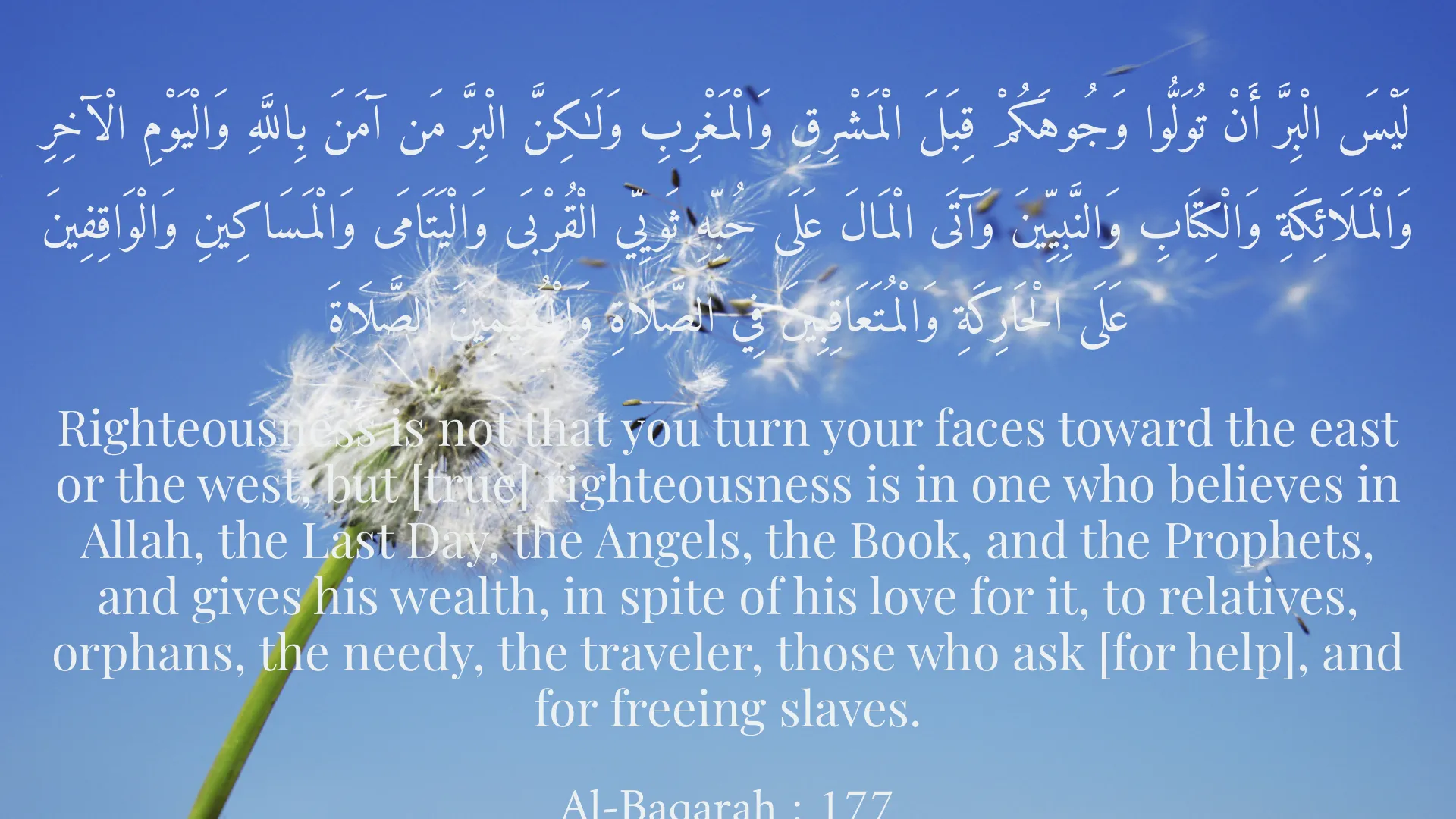
لَيْسَ الْبِرَّ أَنْ تُوَلُّوا وَجُوهَكُمْ قِبَلَ الْمَشْرِقِ وَالْمَغْرِبِ وَلَـٰكِنَّ الْبِرَّ مَن آمَنَ بِاللَّهِ وَالْيَوْمِ الْآخِرِ وَالْمَلَائِكَةِ وَالْكِتَابِ وَالنَّبِيِّينَ وَآتَى الْمَالَ عَلَى حُبِّهِ ثَوِيِّي الْقُرْبَى وَالْيَتَامَى وَالْمَسَاكِينِ وَالْوَاقِفِينَ عَلَى الْحَارِکَةِ وَالْمُتَعَاقِبِينَ فِي الصَّلَاةِ وَالْمُقِيمِينَ الصَّلَاةَ
Righteousness is not that you turn your faces toward the east or the west, but [true] righteousness is in one who believes in Allah, the Last Day, the Angels, the Book, and the Prophets, and gives his wealth, in spite of his love for it, to relatives, orphans, the needy, the traveler, those who ask [for help], and for freeing slaves.
Al-Baqarah : 177
يَا أَيُّهَا الَّذِينَ آمَنُوا لَا تَحْبِسُوا أَمْوَالَكُمْ وَأَوْلَادَكُمْ عَنْ ذِكْرِ اللَّهِ ۚ وَمَن يَفْعَلْ ذَٰلِكَ فَأُو۟لَـٰئِكَ هُمُ الْخَاسِرُونَ
O you who have believed, do not let your wealth and your children distract you from the remembrance of Allah. And whoever does that - then those are the losers.
Al-Anfal : 28
Short Story
One thoughtful day in a schoolyard, two students were discussing prayer. One expressed that despite their prayers, they felt no closer to God. The other agreed and said, 'Maybe we are just going through the motions and neglecting the true meaning of prayer!' They decided to put in more effort and focus on the spirit of prayer to experience a better spiritual state.