Quranic Answer
In the Holy Quran, the notion of oppression, trials, and tribulations are intrinsic to the human experience and life in this world. The Quran elucidates that these adversities are not solely punitive measures of divine displeasure, but serve as mechanisms through which God tests the faith and resilience of individuals. This intricate relationship between divine trials and human experience invites a deeper exploration of how we interpret adversity as a transformative element in our spiritual journey. Examining the essence of trials, Surah Al-Baqarah presents a compelling narrative about human existence. In verse 155, it is stated, 'And We will surely test you with something of fear and hunger, and a loss of wealth and lives and fruits, but give good tidings to the patient.' This verse articulates a profound truth: the inevitable presence of calamity and hardship in human life is not merely a mark of divine wrath; rather, it provides a fertile ground for growth and the reinforcement of faith. The Quran differentiates between those who succumb to despair in the face of adversity and those who exhibit patience. This patience (Sabr), as the Quran suggests, is rewarded, paving the way for personal and spiritual development. The implications of patience are multifaceted. By enduring trials, individuals are given the opportunity to cultivate virtues such as empathy, humility, and strength. Each test can also facilitate reflection on one's faith, prompting a deeper appreciation of blessings that are often taken for granted. As individuals confront loss—be it in wealth, loved ones, or health—they may find themselves turning to God, thus enriching their spiritual relationship. This dynamic can initiate a profound transformation, leading to a deepened understanding of God’s wisdom and mercy. Moreover, Surah Al-Imran contributes to this discourse with verse 186, stating: 'Indeed, you will be gathered to Allah all together.' This harrowing acknowledgment of human mortality and the eventual accountability before God serves as a reminder that life’s trials have both temporal and eternal implications. Each hardship experienced is not without purpose; it bears the capacity to influence one's journey in the hereafter. Thus, the presence of suffering in the world can be seen as an opportunity for self-evaluation, prompting individuals to assess their adherence to divine commands and the morality of their actions. Investigating the broader theme of trial and tribulation further, one can draw parallels between oppression in various forms and the inherent struggles documented throughout history. Whether it be socio-political oppression, economic hardships, or personal crises, each scenario presents an avenue for individuals and communities to respond with faith or despair. The Quran implores believers to recognize the larger picture, viewing these struggles not simply as suffering but as conduits for growth and communal solidarity. In this respect, trials serve not just as individual challenges but as collective experiences that can foster compassion and empathy among people. Examining these themes in conjunction reveals a vital aspect of Islamic theology—the idea that life's adversities are aligned with a greater divine plan. In the face of oppression, the call for justice is also underscored in Islamic teachings. The Quran emphasizes not only the importance of patience but also the need for active resistance against oppression. Believers are encouraged to stand up against injustice while maintaining their faith in God's wisdom. Furthermore, such trials are often seen purely through the lens of individual responsibility; they also highlight communal obligations. The Quran encourages believers to support one another in moments of hardship. Through acts of charity and kindness, communities can reflect divine compassion, combating the negative manifestations of oppression through social solidarity and mutual upliftment. This interconnectedness emphasizes that struggles endured by one do not exist in isolation but are part of the collective human experience. Furthermore, the interplay between suffering and spiritual elevation echoes within the narratives of the prophets in the Quran. Figures such as Prophet Job (Ayyub) epitomize unwavering patience in the face of immense trials. His story serves as a testament to the human spirit’s capacity to endure and ultimately transcend suffering through faith in God. Such narratives reinforce the concept that trials are not merely obstacles; they are also avenues through which divine mercy and wisdom are revealed. In conclusion, the existence of oppression, suffering, and trials in our world invites believers to reflect deeply on the nature of their faith and existence. The Quran teaches us that these experiences should not lead to despair, but rather to an understanding of their dual purpose: they are both a test of our faith and an opportunity for spiritual growth. Embracing this perspective allows individuals to navigate life's adversities with a renewed sense of purpose and resilience. As followers of Islam, recognizing trials as part of divine mercy rather than as mere punishment can significantly transform our interactions with both our own hardships and those of others. Therefore, the existence of oppression and afflictions can be construed not only as an anomaly in the divine design but as an essential part of the human experience—crafted to provide innumerable opportunities for self-improvement and spiritual enlightenment. By internalizing this belief, we open up the possibility for a life marked not by fear and despair but by hope, compassion, and the relentless pursuit of justice and righteousness.
Related Verses
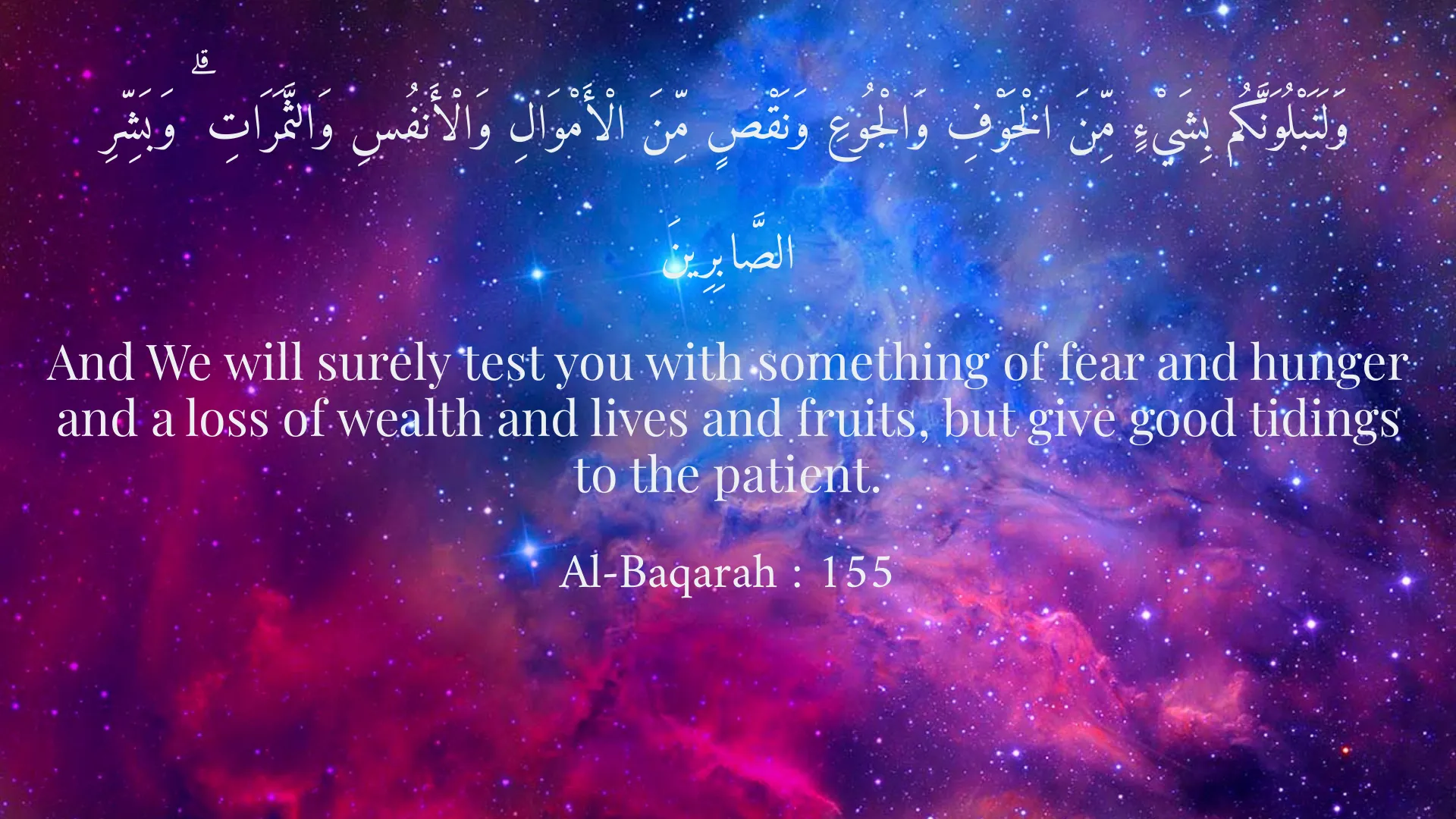
وَلَنَبْلُوَنَّكُم بِشَيْءٍ مِّنَ الْخَوْفِ وَالْجُوعِ وَنَقْصٍ مِّنَ الْأَمْوَالِ وَالْأَنفُسِ وَالثَّمَرَاتِ ۗ وَبَشِّرِ الصَّابِرِينَ
And We will surely test you with something of fear and hunger and a loss of wealth and lives and fruits, but give good tidings to the patient.
Al-Baqarah : 155
إِنَّكُم ستُحْشَرُونَ إِلَى اللَّهِ جَميعًا
Indeed, you will be gathered to Allah all together.
Al-Imran : 186
Short Story
Once upon a time, there was a man named Hassan who was suffering greatly from the oppression of his rival. Hassan would often wonder, 'Why does God allow me to be treated this way?' One day, he went to a religious scholar and asked him this question. The scholar replied, 'Remember that such challenges are opportunities to strengthen your faith and to practice patience. In this world, God creates everything for a reason and with wisdom.' Hassan realized that by being patient and reflective in the face of oppression, he could overcome the challenges and grow from these experiences.