Quranic Answer
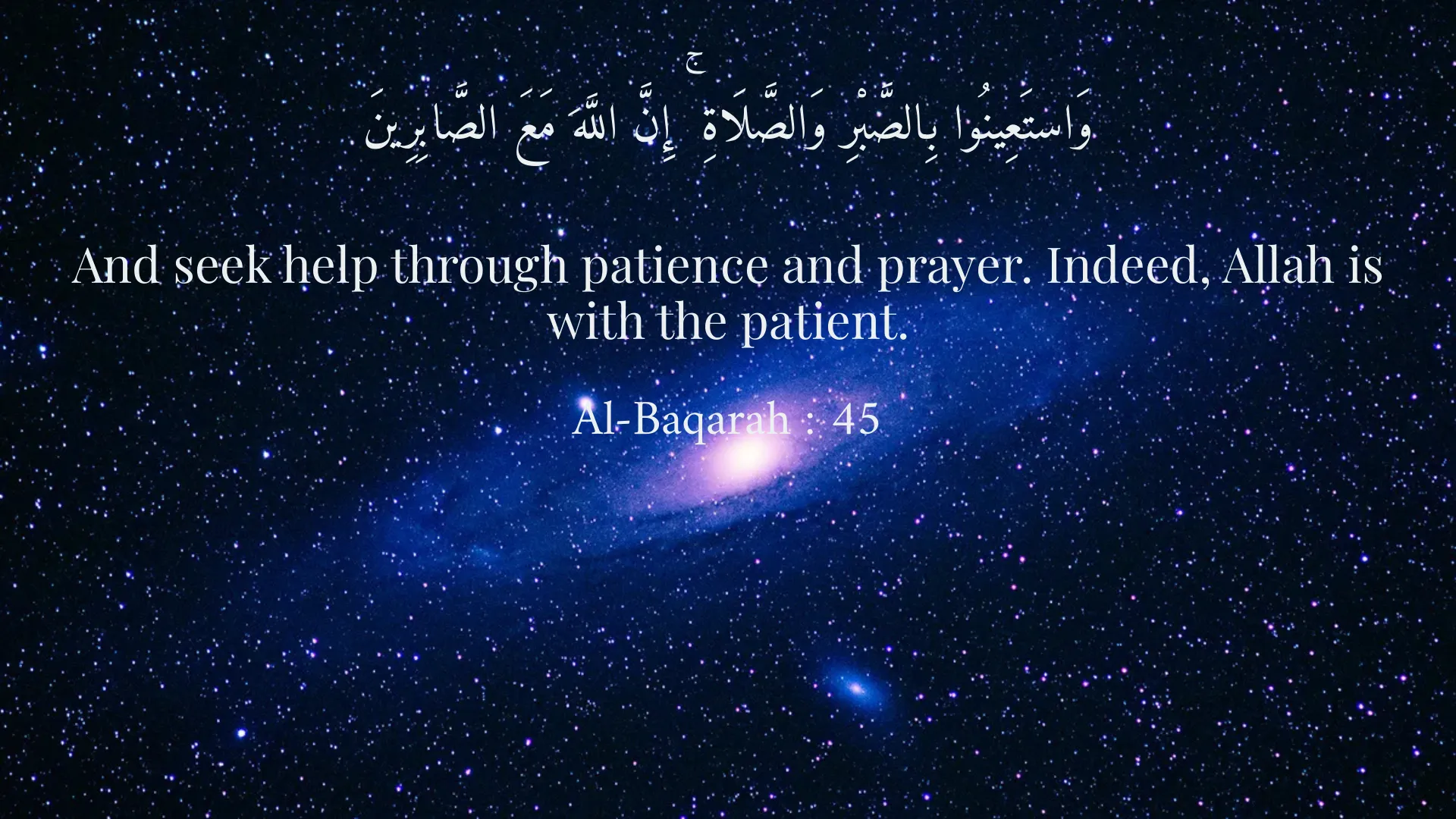
Prayer holds a foundational role within the Islamic faith, intricately woven into the daily lives of Muslims worldwide. It is not merely a duty; it is a profound and sacred act of worship that signifies a deeper connection with Allah, the Almighty. This article delves into the multifaceted aspects of prayer in Islam, exploring its religious significance, psychological benefits, and the transformative impact it can have on an individual's life. At the heart of Islamic teachings, prayer is considered one of the essential pillars of Islam. It is mandatory for Muslims, showcasing its importance as a fundamental religious obligation. The Quran, the holy book of Islam, serves as the principal source of guidance for Muslims and emphasizes the significance of prayer in numerous verses. For instance, in Surah Al-Baqarah, verse 45, Allah instructs the believers to ‘And seek help through patience and prayer.’ This powerful directive embodies the notion that during times of difficulty and distress, prayer serves as an anchor for individuals, offering solace amidst life’s trials. The act of prayer, known as Salah, embodies a unique blend of physical, spiritual, and mental engagement. It is a structured form of worship that includes specific physical actions such as standing, bowing, and prostrating, intertwined with recitations and supplications. Through these movements and words, Muslims express their devotion and submission to Allah, fostering a sense of humility and reverence. As they physically bow down, they metaphorically surrender their worries and burdens, thereby opening their hearts to Allah's mercy and guidance. Moreover, prayers serve as a reminder to Muslims to maintain the discipline of dedicating time to their Creator. In Surah Al-Muzzammil, verse 20, Allah acknowledges the efforts of His servants: ‘Indeed, your Lord knows that you stand [in prayer] almost two-thirds of the night and [sometimes] half of it and [sometimes] a third of it.’ This verse reassures believers that their dedication and perseverance in worship are recognized and valued by Allah. Such acknowledgment instills a sense of purpose in believers, motivating them to engage deeply in their spiritual practices. Beyond its religious implications, prayer holds significant psychological benefits. Engaging in regular prayer allows Muslims to momentarily step away from the hectic pace of life and immerse themselves in a spiritual experience. This sacred time creates a space for reflection, introspection, and mindfulness, providing a break from daily stressors. In today’s fast-paced society, individuals often grapple with anxiety, stress, and overwhelming distractions. However, through prayer, one can cultivate inner peace and tranquility that significantly alleviates psychological burdens. The positive effects of prayer extend to fostering resilience and patience in the face of life's challenges. As individuals turn to prayer during difficult times, they nurture a mindset that emphasizes trust in Allah’s wisdom and plan. This perspective helps them build emotional strength and resilience, enabling them to navigate through trials with a tranquil heart. The process of calling upon Allah in prayer fosters a deep sense of hope, allowing individuals to hold onto their faith amidst adversity. Furthermore, the act of turning to God provides emotional support that reassures believers they are never alone in their struggles. Additionally, prayer enhances the harmony between body, mind, and soul, cultivating a personal relationship with Allah. Through consistent and sincere prayer, individuals can experience spiritual growth and a heightened sense of awareness of their surroundings. This connection with the divine encourages a continuous journey of self-improvement and reflection, as believers strive to embody the virtues of compassion, humility, and gratitude in their daily lives. Ultimately, prayer serves as a catalyst for personal transformation, instilling values and ethics that beneficially influence one’s behavior and interactions with others. Furthermore, the communal aspect of prayer cannot be overlooked. Muslims often gather in mosques for congregational prayers, strengthening their bonds and creating a sense of community. This collective worship fosters unity among believers, encouraging them to support one another in their spiritual journeys. Engaging in prayer within a community not only amplifies the spiritual experience but also reinforces social ties, creating a network of support that thrives on shared values and beliefs. In conclusion, prayer stands as a cornerstone of the Islamic faith, enveloping profound significance and benefits. It is a practice that transcends mere obligation, evolving into a powerful means of communication with Allah that fortifies one's faith and cultivates inner peace. As the Quran highlights the importance of seeking help through prayer, Muslims are reminded of the invaluable connection they can nurture with their Creator. The transformative impact of prayer resonates through psychological benefits, emotional resilience, and the enhancement of communal bonds. As individuals engage sincerely in prayer, they not only submit themselves to Allah but also embark on a continuous journey of self-discovery, purpose, and spiritual growth.
Related Verses
وَاستَعِينُوا بِالصَّبْرِ وَالصَّلَاةِ ۚ إِنَّ اللَّهَ مَعَ الصَّابِرِينَ
And seek help through patience and prayer. Indeed, Allah is with the patient.
Al-Baqarah : 45
إِنَّ رَبَّكَ يَعْلَمُ أَنَّكَ تَقُومُ أَدْنَىٰ مِنْ ثُلُثَيِ اللَّيْلِ وَنِصْفَهُ وَثُلُثَهُ
Indeed, your Lord knows that you stand [in prayer] almost two-thirds of the night and [sometimes] half of it and [sometimes] a third of it.
Al-Muzzammil : 20
Short Story
One day, a devout man decided to enhance his connection with God. In the peaceful hours of the morning, he prayed and sought forgiveness and tranquility from his Lord. After a while, he experienced an extraordinary sense of calm and concluded that he should maintain this practice daily to purify and soothe his spirit.