Quranic Answer
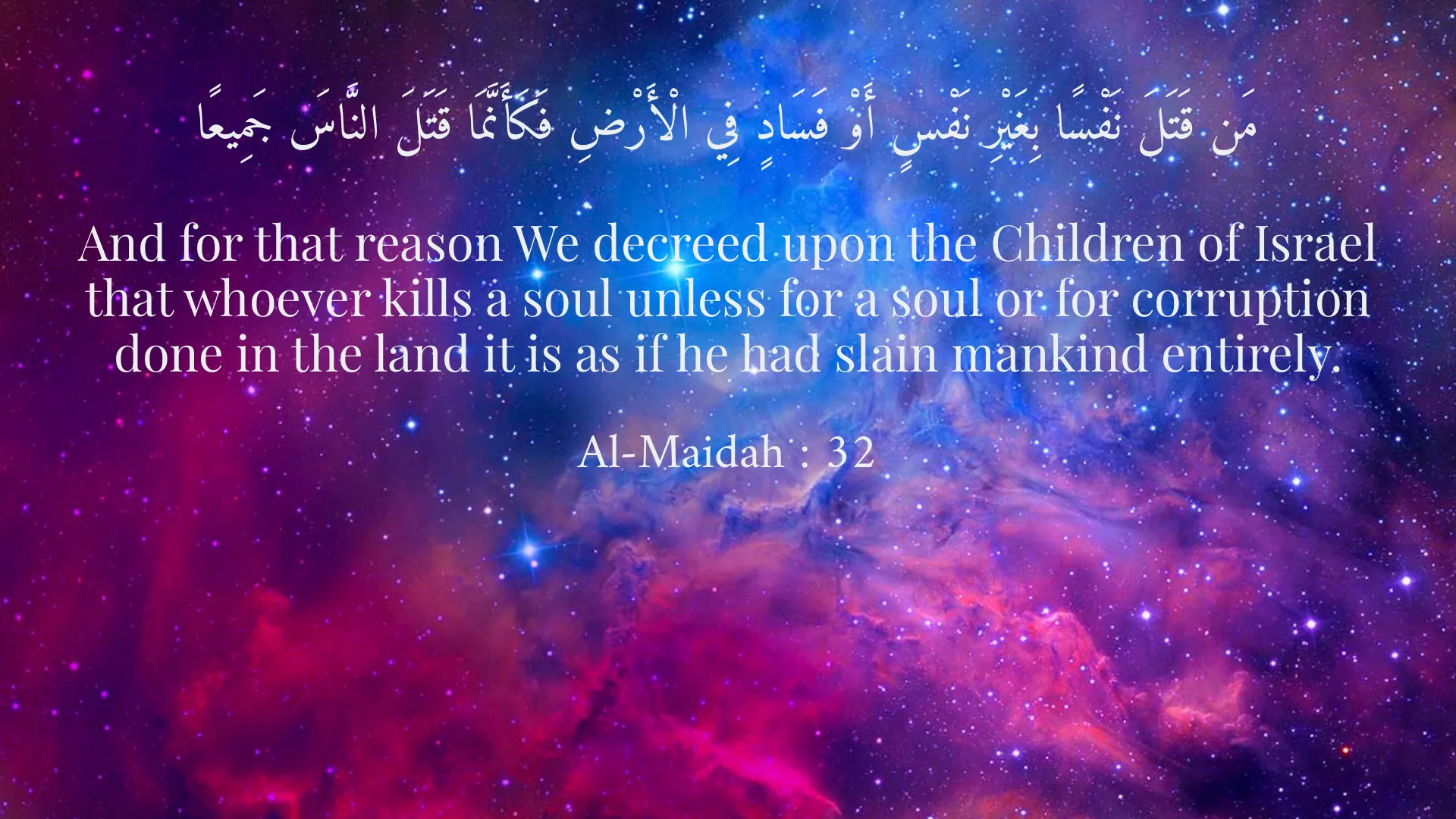
Helping others is one of the fundamental principles of human and Islamic life, deeply rooted in teachings of compassion, empathy, and community support as emphasized in the Holy Quran. The act of aiding those in need not only strengthens the fabric of society but also reinforces our connection with God and our own humanity. In various verses, the Quran illustrates the importance of altruism and service to others, accentuating that such acts are central to living a righteous life. This article delves into the values of helping others, the teachings of the Quran regarding communal responsibility, and the psychological and spiritual benefits that arise from charitable acts. To begin with, the profound reflection upon human life and its sanctity can be derived from verse 32 of Surah Al-Maidah: "And for that reason We decreed upon the Children of Israel that whoever kills a soul unless for a soul or for corruption [done] in the land - it is as if he had slain mankind entirely." This verse not only underscores the immense value placed upon each human soul but also emphasizes that the act of taking a life unjustly equates to harming all of humanity. In juxtaposition to this gravity of life, we see that helping others serves to uplift and preserve life, allowing individuals to thrive rather than merely survive. Helping one another becomes not only a moral duty but a divine commandment that promotes community cohesion and wellbeing. Furthermore, the Quran exhorts the followers to assist and support one another, urging believers to channel their resources towards the vulnerable. In Surah Al-Baqarah, verse 177, it states, "Righteousness is not that you turn your faces toward the east or the west, but [true] righteousness is in one who believes in Allah, the Last Day, the Angels, the Book, and the Prophets and gives his wealth, in spite of his love for it, to relatives, orphans, the needy, the traveler, those who ask [for help], and for freeing slaves, and [who] establishes prayer and gives zakah." This verse paints a broader picture of righteousness, which is not merely about ritualistic practices but rather about embodying the essence of faith through acts of charity. The encouragement to assist others, especially those who are marginalized, instills a sense of duty in each believer. It highlights that wealth and material possessions are not solely meant for personal gain but for sharing with those who are less fortunate. This practice of generosity reflects true values of empathy, magnanimity, and love for one’s fellow beings. Besides, the Quran points out that establishing prayer and giving zakah—alms—is an integral part of righteous living, implying that helping others is interwoven with one’s spiritual health. Moreover, the verse encapsulates a multilayered understanding of who deserves help. It emphasizes not only providing for one's own family but also extending generosity toward orphans, travelers, and others in need. This comprehensive approach to charity teaches individuals that righteousness is demonstrated through tangible acts of kindness and support; thus, the act of helping can take many forms. Numerous scholars and poets have echoed these Quranic principles, reflecting on the blessings that come from helping others. The renowned Persian poet Saadi beautifully states, "Do good and cast it into the Tigris, for God will make you last in the desert." This metaphor illustrates that while our good deeds may sometimes seem thankless or unnoticed, they are perpetually observed by Allah. The notion that God remembers those who perform acts of kindness paves the way for spiritual fulfillment, reminding us that our actions shape not only our present but our future as well. The psychological effects of helping others cannot be overlooked. Acts of kindness contribute significantly to increased happiness and emotional wellbeing. Engaging in charitable actions fosters a sense of belonging and connection within a community, counteracting feelings of isolation and despair. Scientific studies indicate that individuals who regularly engage in helping behaviors experience a greater sense of purpose in life and are less prone to suffering from anxiety and depression. This reciprocity underscores the divine wisdom behind the acts of charity encouraged in Islam. In addition to enhancing personal wellbeing, collective charity cultivates a virtuous community. When individuals come together to support one another, they create a culture of sharing, encouraging others to contribute and fostering an environment rife with generosity and love. This communal spirit is indispensable for overcoming societal issues such as poverty, inequality, and injustice. Helping others thus not only aids the recipient but enriches the entire community, promoting a more united and resilient society. The holistic approach to helping that is rooted in Islamic teachings transcends mere transactional support; it advocates for a lifestyle of compassion and sustained effort in uplifting those around us. The continuous cycle of giving and receiving respect, recognition, and support reverberates through the community, revealing the remarkable capacity of human connection to heal and empower. In conclusion, acts of kindness resonate at the very core of human existence. The Quran repeatedly emphasizes that helping others is a reflection of true faith, a means of honoring the sanctity of life and a path toward spiritual and societal fulfillment. Embracing the teachings of the Quran and the wisdom of philosophical thought enhances our understanding of human responsibility and highlights our shared humanitarian values. Truly, through the lens of Islam, helping others is not merely a commendable act; it is a sanctified duty that enriches the giver, uplifts the receiver, and ultimately, brings us closer to Allah. In a world that often emphasizes individualism, reviving the spirit of altruism and collective responsibility remains a powerful yet necessary endeavor.
Related Verses
مَن قَتَلَ نَفْسًا بِغَيْرِ نَفْسٍ أَوْ فَسَادٍ فِي الْأَرْضِ فَكَأَنَّمَا قَتَلَ النَّاسَ جَمِيعًا
And for that reason We decreed upon the Children of Israel that whoever kills a soul unless for a soul or for corruption done in the land it is as if he had slain mankind entirely.
Al-Maidah : 32
لَيسَ البِرَّ أَن تَولُّوا وَجُوهَكُمْ قِبَلَ المَشرِقِ وَالمَغرِبِ وَلَكنّ البِرَّ مَن آمَنَ بِاللَّـهِ وَالْيَوْمِ الآخِرِ وَالمَلَائِكَةِ وَالْكِتابِ وَالنَّبيِّينَ وَآتَى الْمَالَ عَلَى حُبِّهِ ذَوِي الْقُرْبَى وَالْيَتَامَى وَالْمَسَاكِينِ
Righteousness is not that you turn your faces toward the east or the west, but [true] righteousness is in one who believes in Allah, the Last Day, the Angels, the Book, and the Prophets and gives his wealth, in spite of his love for it, to relatives, orphans, the needy.
Al-Baqarah : 177
Short Story
One day, Adel was walking in the park when he saw some children playing together. Suddenly, one of the kids fell down and started to cry. Adel approached him with a smile and said, 'Don’t worry, let me help you up.' He took the child’s hand and lifted him up. After a moment of reassurance, the child thanked him and returned to his friends to play. Adel thought about this experience for days, realizing how valuable and peaceful it was to help others.