Quranic Answer
The feeling of reaching a dead end is a profoundly human experience that almost every individual encounters at some point in their life. This sense of hopelessness, helplessness, or lack of a way out can stem from various factors: severe life challenges, financial difficulties, strained relationships, incurable illnesses, the loss of loved ones, or a feeling of failure or inability to achieve goals. From the perspective of the Holy Quran, these feelings, however difficult and overwhelming, are part of the divine tradition in the creation of humanity and its testing in this world. The Quran clearly states that worldly life is full of trials and hardships to test one's faith and reveal the essence of their being. These tests are not meant to torment humans but to foster their growth, elevation, and closeness to God. Allah says in Surah Al-Baqarah, verse 155: “And We will surely test you with something of fear and hunger and a loss of wealth and lives and fruits, but give good tidings to the patient.” This verse clearly indicates that encountering difficulties and deficiencies is an integral part of life, and one should not be surprised by it or feel absolute despair. When a person faces these trials and finds their path constricted, they might feel like they have reached a dead end. One of the main reasons for this feeling, from a Quranic viewpoint, is heedlessness of God's remembrance and a weakening of reliance on Him (Tawakkul). In moments when one feels all doors are closed, if they forget their main support, which is God, they quickly fall into the abyss of despair and hopelessness. The Quran emphasizes that despairing of God's mercy is a major sin and a sign of weak faith. In Surah Yusuf, verse 87, we read: “O my sons, go and find out about Joseph and his brother and do not despair of the mercy of Allah. Indeed, no one despairs of the mercy of Allah except the disbelieving people.” This verse ignites a light of hope in the darkest moments, reminding humanity that divine mercy and relief are always present, even if not visible to the naked eye. The feeling of a dead end often results from a narrow perception of horizons and a lack of understanding of God's infinite power. In such situations, people tend to look only at their limited abilities and material solutions, thus feeling helpless. The Quran offers several solutions to overcome this feeling and emerge from a dead end. The first and most important solution is patience (Sabr) and perseverance. Patience is the key to resolving many problems, enabling individuals to withstand calamities and seek solutions with wisdom and insight. Alongside patience, prayer (Salah) and the remembrance of Allah (Dhikr) serve as a secure refuge for the human heart and soul. Allah says in Surah Al-Baqarah, verse 153: “O you who have believed, seek help through patience and prayer. Indeed, Allah is with the patient.” When a person turns wholeheartedly towards God, the feeling of loneliness and helplessness is replaced by tranquility and assurance. The remembrance of God calms hearts and dispels the anxiety stemming from the feeling of a dead end. Furthermore, the Quran reminds humanity that every hardship is accompanied by ease. This is a divine promise explicitly stated in Surah Ash-Sharh (Al-Inshirah), verses 5 and 6: “For indeed, with hardship [will be] ease. Indeed, with hardship [will be] ease.” This repetition emphasizes the certainty of this divine promise. It means that dead ends are temporary, and Allah always provides a way out and relief for His believing servants. Sometimes this relief comes from an unexpected source. The feeling of a dead end might be a result of not understanding the truth that Allah never burdens a soul beyond what it can bear. In Surah Al-Baqarah, verse 286, it states: “Allah does not charge a soul except [with that within] its capacity.” This verse assures humanity that they have the ability to overcome problems and emerge from dead ends. Occasionally, the feeling of a dead end is a signal to change direction, re-evaluate goals, or alter methods. It might be that through this feeling, Allah guides an individual towards a more righteous path that they had not noticed before. These moments are opportunities for reflection, self-improvement, and strengthening one's connection with the Creator. So, instead of succumbing to despair, one should use these opportunities to return to God, renew their covenant with Him, and seek His help. From a Quranic perspective, dead ends are not the end of the road but rather sharp and challenging turns in life's journey that can be navigated with patience, reliance on God, and steadfastness in faith, leading to brighter horizons. A true believer never surrenders to despair, for they know that an infinite power assists them, and after every darkness, light is on its way. Ultimately, the feeling of a dead end is a test of how we confront our weaknesses and incapacities and how we rely on Allah's boundless power. With faith, no dead end is truly a dead end; rather, every dead end is a gateway to new opportunities and growth.
Related Verses
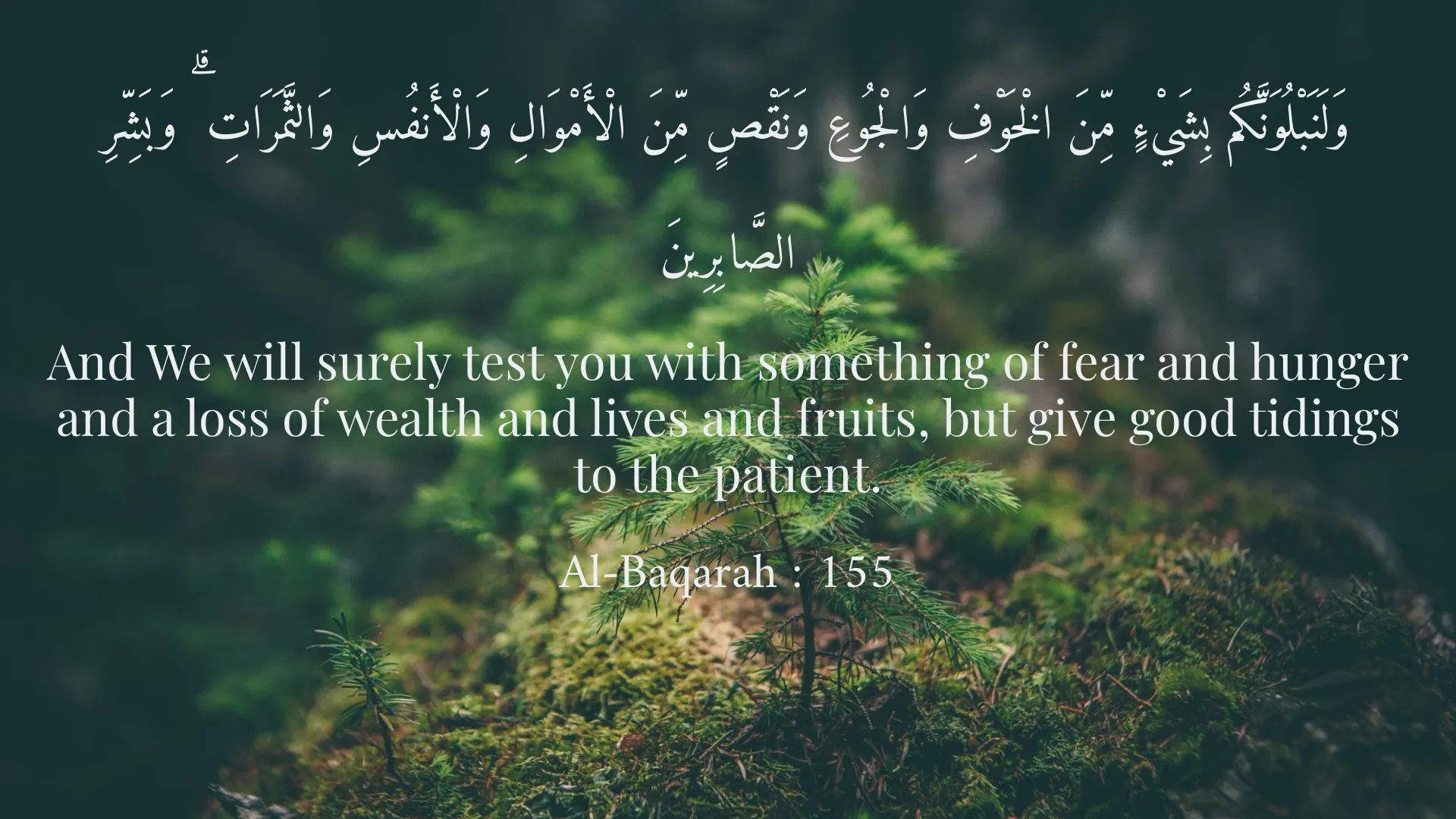
وَلَنَبْلُوَنَّكُم بِشَيْءٍ مِّنَ الْخَوْفِ وَالْجُوعِ وَنَقْصٍ مِّنَ الْأَمْوَالِ وَالْأَنفُسِ وَالثَّمَرَاتِ ۗ وَبَشِّرِ الصَّابِرِينَ
And We will surely test you with something of fear and hunger and a loss of wealth and lives and fruits, but give good tidings to the patient.
Al-Baqarah : 155
يَا أَيُّهَا الَّذِينَ آمَنُوا اسْتَعِينُوا بِالصَّبْرِ وَالصَّلَاةِ ۚ إِنَّ اللَّهَ مَعَ الصَّابِرِينَ
O you who have believed, seek help through patience and prayer. Indeed, Allah is with the patient.
Al-Baqarah : 153
يَا بَنِيَّ اذْهَبُوا فَتَحَسَّسُوا مِن يُوسُفَ وَأَخِيهِ وَلَا تَيْأَسُوا مِن رَّوْحِ اللَّهِ ۖ إِنَّهُ لَا يَيْأَسُ مِن رَّوْحِ اللَّهِ إِلَّا الْقَوْمُ الْكَافِرُونَ
O my sons, go and find out about Joseph and his brother and do not despair of the mercy of Allah. Indeed, no one despairs of the mercy of Allah except the disbelieving people.
Yusuf : 87
فَإِنَّ مَعَ الْعُسْرِ يُسْرًا
For indeed, with hardship [will be] ease.
Al-Sharh : 5
إِنَّ مَعَ الْعُسْرِ يُسْرًا
Indeed, with hardship [will be] ease.
Al-Sharh : 6
Short Story
It is narrated that a man, in a dry and barren desert, lay near death from thirst and exhaustion. No matter how much he searched, he found no water, and whichever direction he took, he saw no path to salvation. Despair struck him like a hammer, and he felt his end was near. But even as he was losing his last ounce of strength, he looked into a corner of his heart and whispered, 'O great God, my hope is in You!' With that weak resolve, he took another step. Suddenly, his eyes caught sight of a lone tree, and in its shade, he saw a small hollow where clear drops of water were bubbling up from the earth. The man was revived by the water God sent from an unexpected place, and he realized that in no dead end should one despair of divine mercy, for relief comes from where you least expect it.