Quranic Answer
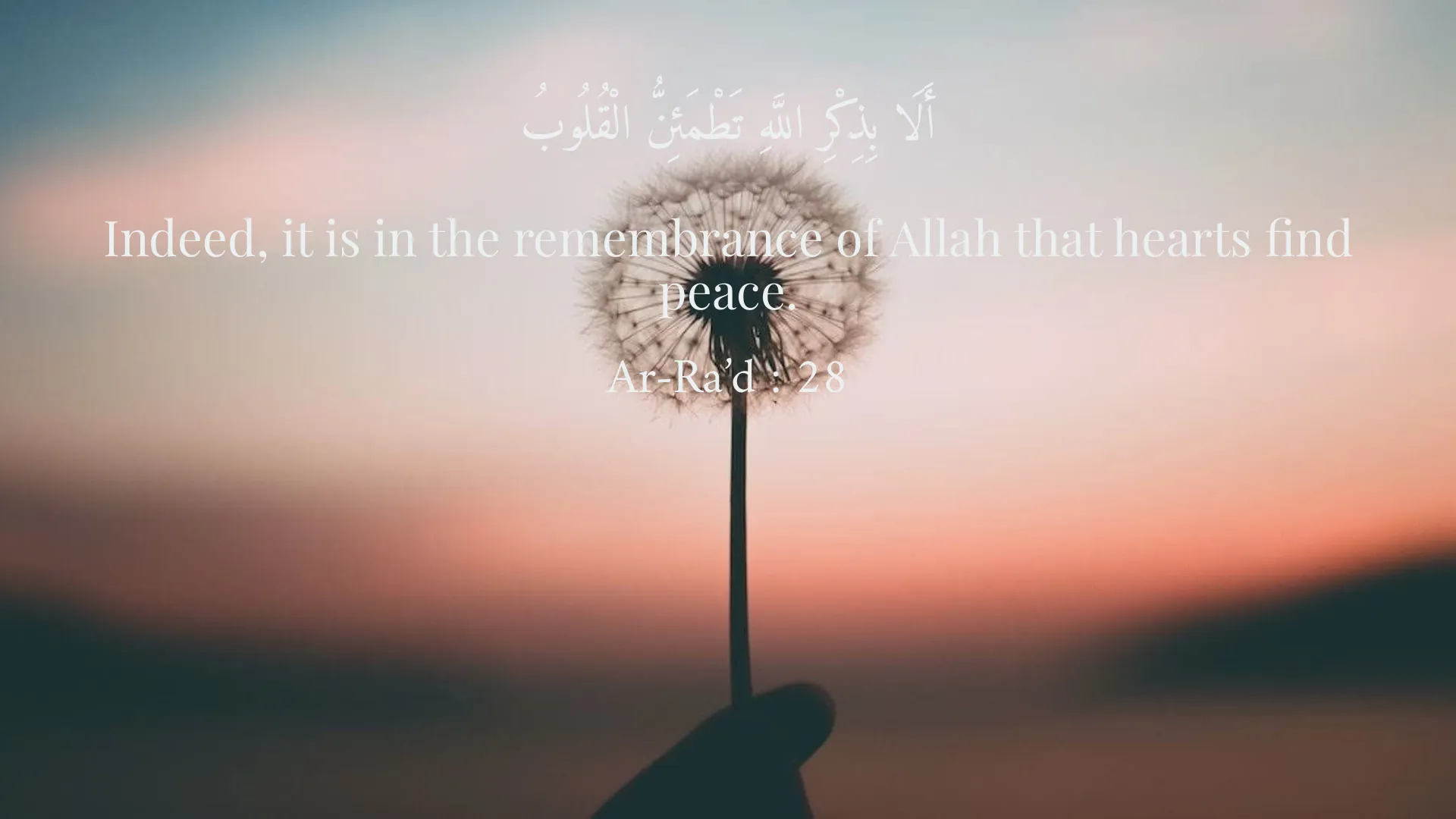
The Holy Quran, the central religious text of Islam, is revered by Muslims around the world as the literal word of God as revealed to Prophet Muhammad (peace be upon him). Among its numerous themes and teachings, one of the most pivotal is the emphasis on the act of remembering God, or 'Dhikr'. In a world increasingly characterized by chaos and uncertainty, the Quran provides guidance on how to cultivate a relationship with the Divine that is grounded in remembrance. This article will explore the significance of remembering God in our daily lives, the psychological and spiritual benefits it offers, and the profound effect it can have on our overall well-being. The verse from Surah Ar-Ra’d, verse 28, encapsulates this essential teaching brilliantly: 'Indeed, it is in the remembrance of Allah that hearts find peace.' This profound statement suggests that remembrance of God is not just a ritual or an obligation; it is a source of inner peace and tranquility. In a time when many are battling feelings of anxiety, stress, and disillusionment, the idea that connecting with the Divine can bring comfort is incredibly relevant. Research has shown that spiritual practices, such as meditation and prayer, can significantly reduce stress levels and promote emotional stability. Thus, the Quran's assertion aligns with contemporary understandings of psychology and mental health. The act of remembering God is multifaceted. It can take on various forms, including prayer (Salah), recitation of the Quran, and simple reflections or supplications (Dua). Each act serves as a means of fostering a deeper connection with God and reminding oneself of the greater purpose of life. Moreover, the Quran goes beyond the mere suggestion of remembrance; it highlights the importance of incorporating it into our daily lives. By doing so, we create a spiritual rhythm that can guide our actions, thoughts, and behaviors, ultimately influencing our life choices. In Surah Taha, verse 14, God reveals His identity and emphasizes the necessity of worship, stating: 'Indeed, I am Allah; there is no deity except Me, so worship Me and establish prayer for My remembrance.' This verse succinctly underscores the association between worship and remembrance. Establishing prayer for the purpose of remembering God illustrates its critical role in a believer's life. Prayer serves as both a formal act of worship and a personal dialogue with the Divine, facilitating a constant connection that can offer solace and strength, especially during times of trial. The discipline of regular prayer and remembrance also has practical implications for a believer’s daily routine. When individuals set aside time each day for prayer or for reciting passages of the Quran, they are engaging in an intentional act of mindfulness. This mindfulness fosters a sense of awareness and presence that can help individuals navigate the ups and downs of life with grace. By prioritizing moments of prayer and reflection, believers can create a familiar space where they can lay down their burdens, seek guidance, and reconnect with their faith. The alternative to engaging in the remembrance of God poses serious spiritual risks. When individuals neglect this vital practice, they may become detached from their religious and moral responsibilities. Forgetting God leads to the attenuation of faith, making it easier to stray from the right path in life. The consequences can manifest in various forms, including increased feelings of isolation, despair, and aimlessness. The Quran invites believers to remain vigilant and to adhere to the practice of remembrance as a safeguard against spiritual decline. In addition to enhancing one's spiritual life, the practice of remembering God has universal applications in terms of mental and emotional health. The act of turning one's thoughts toward the Divine can alleviate feelings of loneliness and despair. Many find themselves consumed by worries and anxieties that accompany daily life. In these moments, the remembrance of God can serve as a refuge, offering reassurance and grounding. Uplifting oneself through spiritual connection helps transform the mind, cultivating a mindset of hope rather than helplessness. Moreover, remembering God not only benefits the individual but also influences their interactions with others. When a person embodies the peace and assurance that stems from their relationship with God, they are more likely to exhibit compassion, kindness, and patience towards others. This presents a pathway toward building a harmonious community — one rooted in mutual respect and understanding. In essence, the value of remembering God resonates beyond the individual, creating ripples of positivity within families, workplaces, and society at large. Yet, it is crucial to recognize that the path of remembrance is not always straightforward. Modern life, filled with distractions and challenges, can make it difficult to maintain focus on spiritual practices. However, recognizing this difficulty is part of the journey. Striving to remember God amidst distractions is, in itself, a valuable exercise of faith. Each effort made towards cultivating remembrance, no matter how small, is a step in reinforcing one’s connection with the Divine. In conclusion, the importance of remembering God as outlined in the Holy Quran cannot be overstated. It is a practice that nurtures our hearts, brings peace to our minds, and centers our souls. In a world that is often tumultuous and filled with uncertainty, engaging in the remembrance of God can truly transform lives. Let us heed the teachings of the Quran and consistently seek ways to cultivate this remembrance, firmly rooted in our daily lives. As we navigate the intricacies of existence, may remembrance of God illuminate our path, guiding us toward peace, clarity, and a profound sense of purpose.
Related Verses
أَلَا بِذِكْرِ اللَّهِ تَطْمَئِنُّ الْقُلُوبُ
Indeed, it is in the remembrance of Allah that hearts find peace.
Ar-Ra’d : 28
إِنَّنِي أَنَا اللَّهُ لا إِلَٰهَ إِلَّا أَنَا فَاعْبُدْنِي وَأَقِمِ الصَّلاةَ لِذِكْرِي
Indeed, I am Allah; there is no deity except Me, so worship Me and establish prayer for My remembrance.
Taha : 14
Short Story
Once upon a time, a young man named Amin felt an emptiness in his life. He decided to retreat from the world for a while and engage in the remembrance of God within his heart. Days passed, and he found a deeper tranquility in remembering God, revitalizing his life.