Quranic Answer
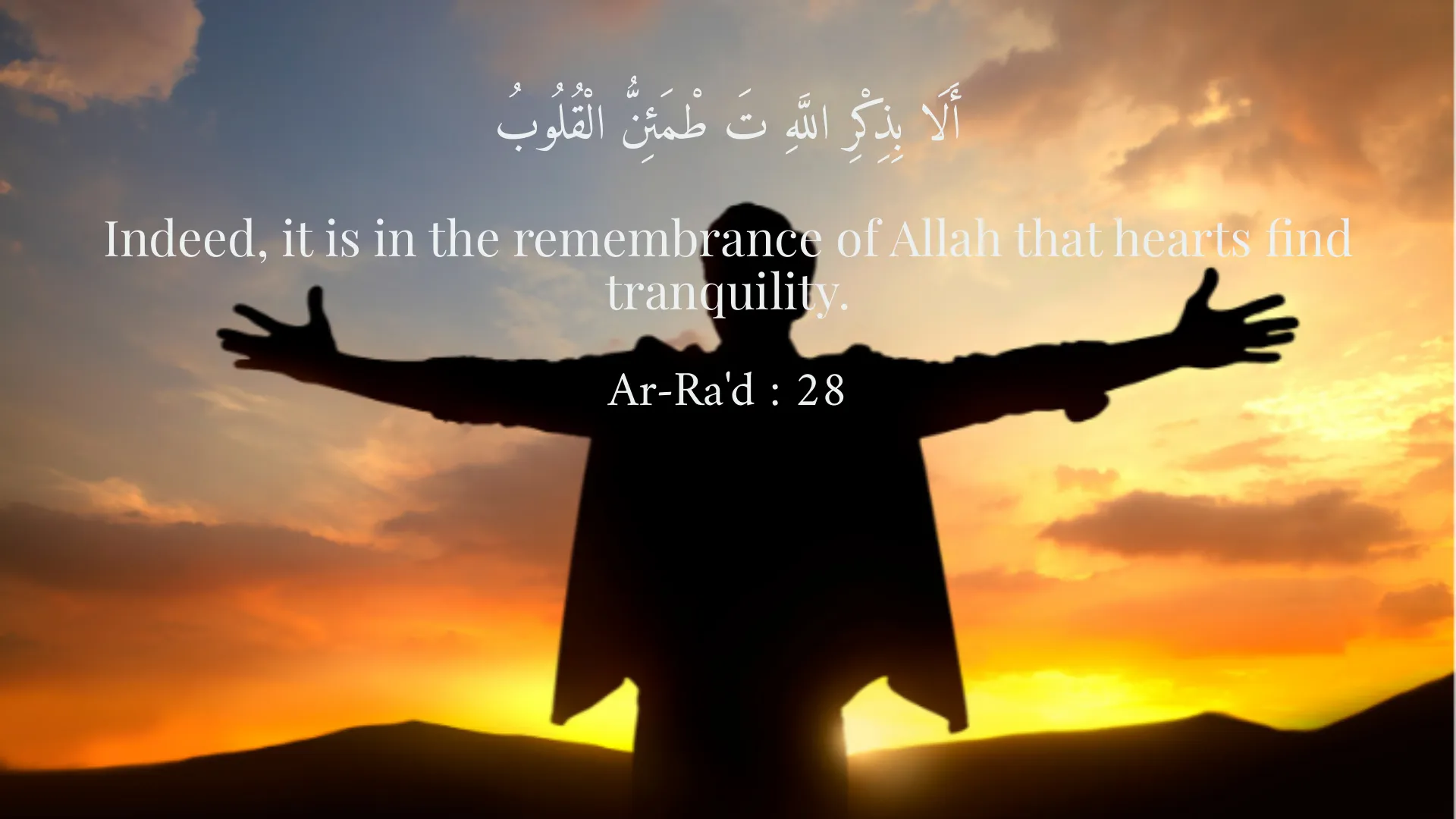
The Holy Quran, revered as the divine book of Islam, plays a vital role in guiding the spiritual, moral, and personal development of millions around the world. Among the many themes it encompasses, one of the most profound is the emphasis on the remembrance of God, also known as Dhikr. This concept is pivotal as it is intertwined with the notions of inner peace, tranquility, and emotional well-being. The Quran underscores the significance of remembering God repeatedly, delineating how this remembrance serves as a beacon of hope and stability amidst the trials of life. A particularly significant verse that highlights this relationship is verse 28 of Surah Ar-Ra'd, where Allah states: 'Indeed, it is in the remembrance of Allah that hearts find tranquility.' This verse carries immense weight, as it encapsulates the essence of what it means to seek peace in the chaotic world we inhabit. It illustrates a simple yet profound truth: the heart, in its quest for tranquility and comfort, will find solace through the remembrance and acknowledgment of Allah. This divine connection is portrayed as essential for attaining a serene state of mind, suggesting that to neglect this remembrance might lead to unrest and anxiety. In today’s world, many people grapple with stress, anxiety, and various daily challenges. From the relentless pace of modern life to the complexity of personal relationships, the burden of daily existence can become overwhelming. In these moments, individuals often seek out sources of comfort and reassurance. The Quran explicitly presents the idea that cultivating a relationship with God through regular remembrance can provide that required tranquility. This relationship does not only manifest itself in prayer and formal acts of worship but extends to the entirety of an individual's life. When an individual keeps God in their thoughts and actions, they begin to experience a heightened sense of security and peace that transcends their immediate circumstances. It cultivates a deeper understanding of one’s purpose in life, enabling them to navigate through challenges with grace and resilience. This direct influence of Dhikr on one’s decision-making processes is something that modern psychology also supports, as studies have shown that individuals with a strong spiritual foundation often experience better mental health outcomes. Moreover, the effect of remembering God is not limited to its impact on individual emotions; it also plays a significant role in fostering a positive community spirit. As individuals engage in the collective remembrance of God—through congregational prayers, gatherings, or community events—they create an environment steeped in mutual support and shared values. This, in turn, helps to alleviate feelings of isolation and loneliness, creating bonds among believers that are fortified through their shared spirituality. Each act of remembering God, then, becomes a stepping stone towards not just personal tranquility, but social harmony as well. In another significant verse, Surah Al-Furqan, verse 70, Allah emphasizes the need for His servants to distance themselves from negative emotions by relying solely on Him. This instruction illustrates how remembering Allah can play a pivotal role in alleviating feelings of anxiety and depression. By shifting focus towards divine attributes of mercy, compassion, and omnipotence, believers can find solace that dissipates their worries and fears. The act of remembering God can transform despair into hope, leading to an uplifted spirit and a more resilient state of mind. Furthermore, this tranquility can engender positive attributes within the soul, such as patience, hope, and unwavering trust in God’s wisdom. When life’s challenges become overwhelming, the act of remembering Allah can serve as a constant reminder of His presence and guidance. This spiritual connection reinforces the understanding that there is a larger plan at play, encouraging individuals to remain patient and steadfast in their faith, even during difficult times. In practical terms, the incorporation of Dhikr into daily routines can take many forms, from the recitation of prayers and verses from the Quran to silent reflection or journaling thoughts of gratitude and supplication. Each of these practices opens a channel for individuals to connect with Allah, facilitating a continuous flow of spiritual nourishment that ultimately leads to tranquility. Another important aspect to acknowledge is the science of mindfulness, which has gained recognition in psychological circles as a vital tool for enhancing mental well-being. The concept of mindfulness is closely aligned with the remembrance of God, as both emphasize the importance of being present in the moment. Engaging in Dhikr encourages individuals to pause, reflect, and ground themselves in the present, which can dramatically reduce stress and anxiety levels. Moreover, studies show that mindfulness practices have the potential to foster greater emotional regulation, making individuals more adept at handling life’s uncertainties with resilience. Ultimately, the message of the Holy Quran regarding the remembrance of God serves as a guiding light for individuals in their quest for peace and fulfillment. It highlights the duality of faith: on one hand, it is a personal journey towards understanding oneself and achieving inner peace, while on the other hand, it is a communal responsibility to uplift and support one another through shared remembrance and worship. As believers embrace the practice of remembering God in their lives, they not only cultivate their own souls but also contribute to the greater good of the community around them. In a world that can occasionally feel disconnected and overwhelming, the divine reminder—that tranquility lies in remembering Allah—can be a profound source of hope, strength, and resilience. In conclusion, the act of Dhikr is indispensable in the pursuit of tranquility and emotional well-being. Through the consistent remembrance of Allah, individuals can not only find solace within themselves but also cultivate a deep sense of trust in God's wisdom, ultimately fostering a spirit of patience, hope, and collective harmony within their communities.
Related Verses
أَلَا بِذِكْرِ اللَّهِ تَ طْمَئِنُّ الْقُلُوبُ
Indeed, it is in the remembrance of Allah that hearts find tranquility.
Ar-Ra'd : 28
إِلَّا مَنْ تَابَ وَآمَنَ وَعَمِلَ عَمَلًا صَالِحًا فَأُولَـئِكَ يَدخلونَ الجَنَّةَ وَلَا يُظْلَمُونَ شَيْئًا
Except for those who repent, believe, and do righteous work. For them, Allah will enter them into gardens in Paradise, wherein they will not be wronged at all.
Al-Furqan : 70
Short Story
One day, a gloomy and sad man visited a mystic and shared his troubled heart. The mystic told him, 'Oh brother, never forget the remembrance of God. It brings tranquility to the hearts.' The man pondered and decided from that day to remember God more often. Over time, he noticed that his life had transformed, and peace settled in his heart.