Quranic Answer
Title: The Divine Attribute of Concealing Sins: A Reflection on God's Mercy and Forgiveness in the Holy Quran Introduction In the tapestry of divine attributes outlined in the Holy Quran, one of the most profound is that of 'the Concealer of Sins.' This attribute serves as a testament to God's unmatched mercy and boundless capacity for forgiveness. It encapsulates an essential aspect of the relationship between the Creator and His creation, inviting believers to understand the significance of repentance and the opportunity for redemption. Through various verses, particularly in Surah Al-An'am and Surah Al-Baqarah, God sheds light on His nature as a Concealer of Sins, urging humanity to mirror this divine quality in their dealings with one another. This article elaborates on this divine attribute and its implications for the believer’s life, ultimately unveiling a pathway toward personal growth and community harmony. Understanding God's Mercy God's mercy is one of the central messages in the Quran, and the concept of concealing sins plays a vital role in this narrative. In Surah Al-An'am (6:60), it is stated: "And He it is who takes your souls at night and knows what you have earned by day. Then He raises you therein that a term determined may be fulfilled." This verse emphasizes the omniscience of God—He is aware of all the actions of humanity, both good and bad. However, His approach is not one of immediate judgment or condemnation. Instead, He allows individuals to engage in daily acts and even commit sins without immediate exposure or punishment. Such a stance is not an endorsement of wrongdoing but rather a demonstration of divine forbearance, providing humankind with the chance to seek repentance and make amends. God’s Concealment of Sins: An Opportunity for Repentance The concept of God as the Concealer of Sins extends beyond mere forgiveness; it symbolizes an opportunity for personal reflection and growth. Every person, at some point, has stumbled and faced the consequences of their actions—whether intentional or unintentional. However, God's decision to conceal these faults encourages believers to recognize their shortcomings without the fear of public disgrace. This divine attribute suggests that rather than being permanently defined by our mistakes, we can reclaim our identities through sincere repentance and self-improvement. God wishes for His servants to return to Him, learn from their missteps, and strive for righteousness. In fact, the act of concealing sins is a reminder that God values the potential for growth and transformation significantly more than the mere acknowledgment of faults. The Role of Community in Concealing Sins God’s attribute as the Concealer of Sins does not only concern personal relationships with God; it extends into social conduct and how believers should regard each other. In Surah Al-Baqarah (2:233), God teaches His followers not to be careless about each other's faults and imperfections. This directive underscores the importance of compassion and the need for a supportive community. If God, in His infinite mercy, chooses to conceal our sins, then believers are called to emulate this divine behavior in their interactions with others. Concealing the faults of our fellow beings fosters an inclusive and forgiving society. When we choose not to expose one another’s flaws, we are contributing to an atmosphere of trust, acceptance, and love. The Challenge of Concealing Sins While the concept of concealing sins is rooted in mercy, it also presents challenges for believers. It can be tempting to judge others when their failures come to light, and individuals may grapple with the difficulty of extending the same grace to others that God extends to them. Moreover, in a world that often highlights and publicizes shortcomings, the act of concealing faults can seem countercultural. Nonetheless, the moral imperative remains clear. God calls upon His believers to be compassionate and forgiving even in the face of imperfection. Practicing mercy not only echoes God's attributes but also cultivates strong interpersonal bonds and nurtures a sense of community. The Path to Forgiveness and Self-improvement Understanding God as the Concealer of Sins ultimately offers an avenue for realigning oneself with divine will. The opportunity for repentance is a gift, empowering individuals to acknowledge their failures and commit to better actions moving forward. Believers are encouraged to engage in sincere self-reflection, recognize the areas in their lives that require improvement, and actively seek to rectify them. This process can be seen as a cyclical journey: individuals identify their wrongdoings, seek forgiveness from God, and in turn, foster an attitude of compassion toward others. By embodying this divine trait, believers not only come closer to God but also contribute positively to society. Conclusion The attribute of 'the Concealer of Sins' reveals the compassionate and forgiving nature of God, shaping how believers should view their relationship with their Creator and with each other. It stands as a reminder of the immense mercy available to anyone willing to turn back to God in repentance. This concept urges believers to cultivate a spirit of forgiveness within themselves, extend that mercy to others, and build a community characterized by compassion and acceptance. Ultimately, God's attribute of concealing sins affords humanity a profound gift—the chance for redemption and the continual pursuit of spiritual and personal growth. As we navigate our individual journeys through life, may we strive to reflect this divine quality, nurturing not only our relationship with God but also fostering a spirit of understanding and empathy among one another.
Related Verses
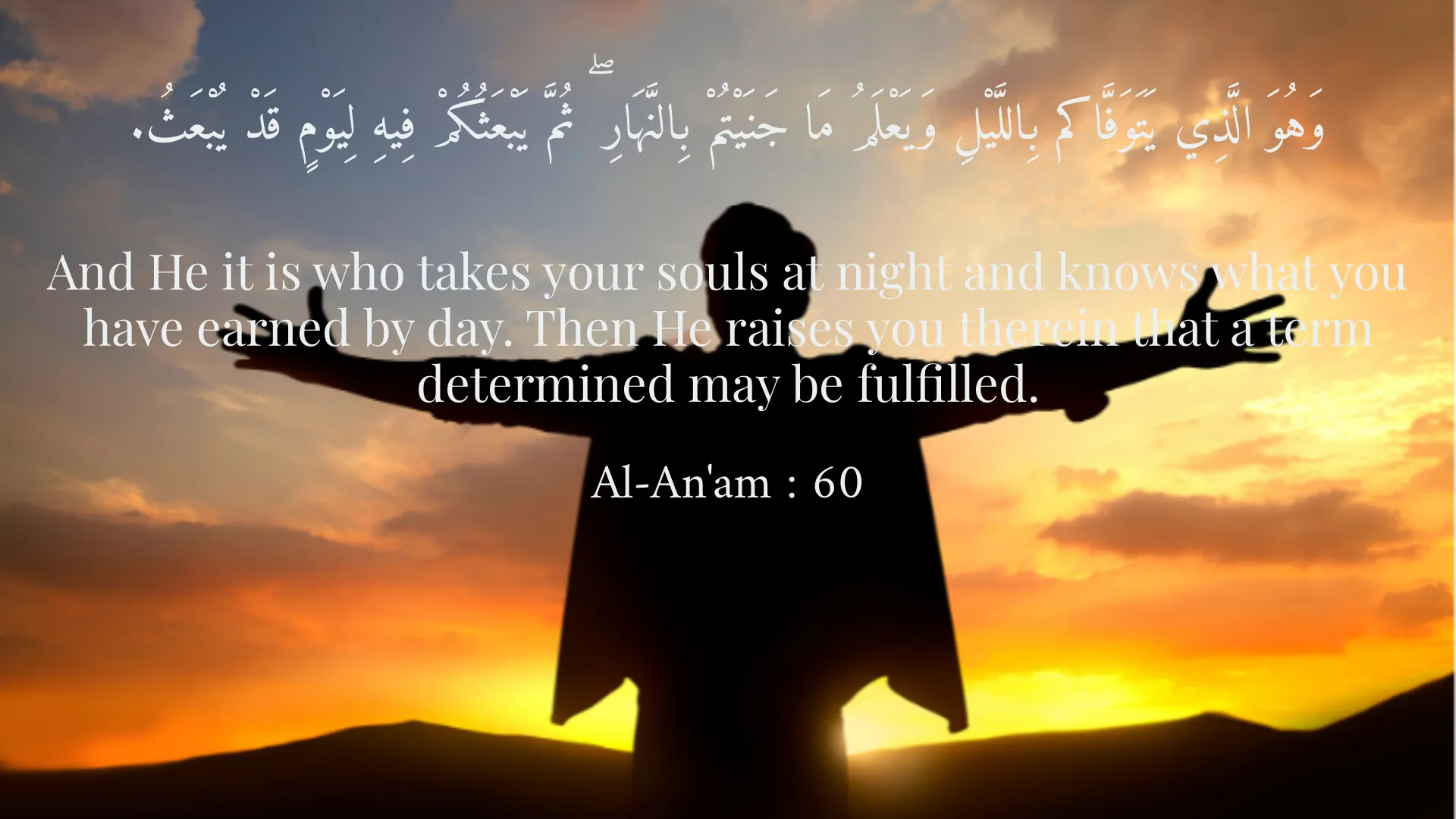
وَهُوَ الَّذِي يَتَوَفَّاكم بِاللَّيْلِ وَيَعْلَمُ مَا جَنَيْتُمْ بِالنَّهَارِ ۖ ثُمَّ يَبْعَثُكُمْ فِيهِ لِيَوْمٍ قَدْ يُبْعَثُ.
And He it is who takes your souls at night and knows what you have earned by day. Then He raises you therein that a term determined may be fulfilled.
Al-An'am : 60
وَإِن كَانَتْ أُخْتَكُمْ فَأَحَبَّ إِلَيْكُمْ مِنَ اللَّهِ وَرَسُولِهِ وَجِهَادٍ فِي سَبِيلِهِ فَتَرَبَّصُوا حَتَّى يَأْتِيَ اللَّهُ بِأَمْرِهِ.
Say, 'If your fathers, your sons, your brothers, your wives, your relatives, the wealth which you have obtained, and the commerce in which you fear decline, and the dwellings in which you delight are more beloved to you than Allah and His Messenger and jihad in His cause, then wait until Allah executes His command.'
Al-Baqarah : 233
Short Story
One day, Adel decided to get closer to God to improve his life. He was inspired by the Quranic verses and tried to cover others' flaws while recognizing their strengths. One day, while praying, Adel felt that God was concealing all his sins and guiding him towards goodness. This experience led him to understand the beautiful reality of God's mercy.