Quranic Answer
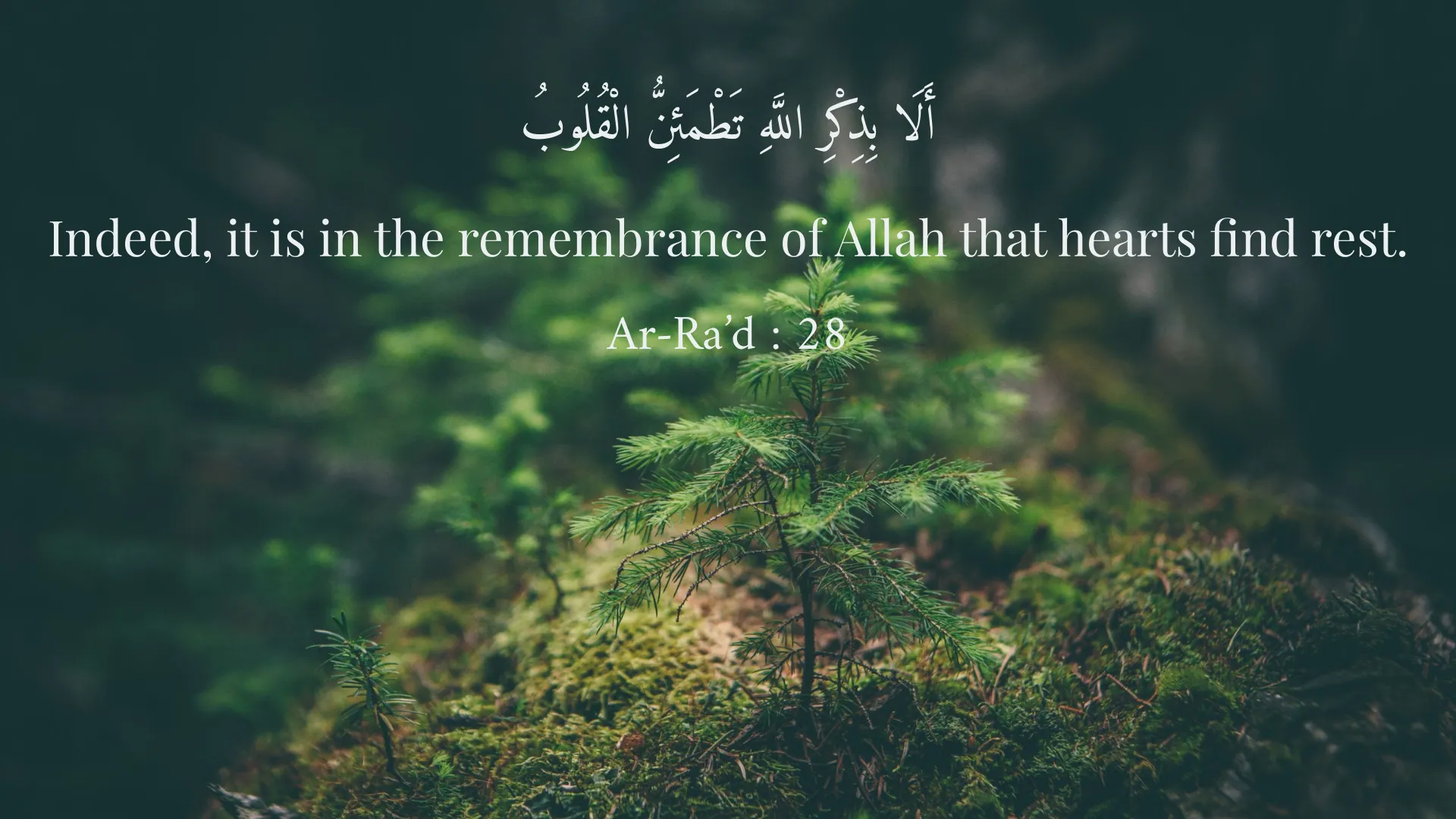
The remembrance of Allah is often recognized as one of the most significant ways for believers to cultivate a profound sense of peace and spiritual calmness. This concept holds a deep-rooted place in Islamic teachings and is emphasized throughout the Quran. Believers are repeatedly encouraged to maintain a connection with the Divine through consistent remembrance (Dhikr). In Surah Ar-Ra'd, verse 28, Allah states: 'Indeed, it is in the remembrance of Allah that hearts find rest.' This particular verse encapsulates the essence of tranquility and solace that can emerge from nurturing a thoughtful awareness of God's presence in one's life. Recalling Allah's attributes, virtues, and blessings brings an inherent peace to the heart that can alleviate the trials and tribulations individuals face in their daily lives. The notion that remembrance of God can ease the burden of anxiety and spiritual disarray is central to the Islamic faith. It signifies a pathway to inner satisfaction and resilience amidst life's challenges. In moments of distress and unease, reflecting on God's mercy and omnipotence can guide individuals towards a state of serenity, assuring them that they are not alone and that their struggles hold meaning in the greater tapestry of existence. The act of remembering Allah transcends mere ritualistic recitation; it fosters a connection that instills vigor and joy into the human soul. When individuals consciously remember God and engage in praising Him, they cultivate a deeper bond with the Creator. This spiritual intimacy significantly reduces stress and anxiety, particularly during tumultuous times. Individuals find solace in the awareness that their lives are part of a divine plan, carefully orchestrated for their growth and benefit. The emphasis on remembrance serves as a reminder that one’s faith is fortified through a continuous acknowledgment of God's presence and guidance. Moreover, the spiritual benefits of remembering Allah are not confined to individual experiences. In Surah Fussilat, verse 30, Allah promises that 'those who have faith and do righteous deeds, and place their trust in their Lord will find peace and happiness in this life.' This verse illuminates the direct correlation between faith, righteous actions, and the attainment of peace and tranquility. It reinforces the belief that genuine devotion to God is rewarded with serenity, which serves as a source of strength for believers navigating life's complexities. The remembrance of Allah plays a pivotal role in personal development and emotional well-being. It encourages individuals to reflect on their behaviors, fostering a sense of accountability and the practice of righteous deeds. Engaging in acts of kindness, maintaining honesty, and sustaining compassion towards others are examples of righteous deeds that are integral to a believer's life. This form of self-reflection not only enhances individual character but also contributes to the overall well-being of their communities. By embodying the teachings of Islam and practicing remembrance, believers create a nurturing and peaceful environment for themselves and those around them. Furthermore, it is essential to consider the universality of the benefits tied to the remembrance of Allah. While rooted in Islamic tradition, these practices resonate with broader themes found across various spiritual disciplines. The act of meditation, mindfulness, and self-reflection are recognized as integral to many faiths, contributing to mental health and emotional stability. The commonality across these practices highlights a fundamental human need for connection, peace, and purpose within a larger existence. This collective pursuit of tranquility and inner peace speaks to the essence of humanity's quest for meaning before the Divine. Additionally, the role of community in fostering remembrance should not be overlooked. Engaging in communal prayers and gatherings for Dhikr enhances the spiritual environment for believers. Such interactions reinforce social bonds and cultivate a collective consciousness that uplifts the spirit. The power of shared worship fosters an atmosphere of support and mutual encouragement among individuals striving for spiritual growth. By sharing in acts of remembrance, believers uplift one another, helping to mitigate feelings of isolation and loneliness that can often accompany daily life. In summary, the remembrance of Allah serves as a profound resource for alleviating life’s burdens and fostering a sense of strength for people’s hearts. It is an active engagement that nourishes faith and provides individuals with tools to cope with the pressures of life. When believers intentionally incorporate the remembrance of God into their daily routines, they open themselves to the peace and tranquility that flows from a sincere spiritual connection. This not only enhances their personal well-being but also manifests as an effort to contribute positively to the world around them. Overall, one could assert that the practice of remembering Allah is foundational to a fulfilling spiritual life, offering believers support in navigating the challenges of existence while deepening their connection with the Divine.
Related Verses
أَلَا بِذِكْرِ اللَّهِ تَطْمَئِنُّ الْقُلُوبُ
Indeed, it is in the remembrance of Allah that hearts find rest.
Ar-Ra’d : 28
إنَّ الذين قالوا رَبُّنَا اللّهُ ثُمَّ اسْتَقَامُوا تَتَنَزَّلُ عَلَيْهِمُ الْمَلَائِكَةُ أَلَّا تَخَافُوا وَلَا تَحْزَنُوا وَأَبْشِرُوا بِالْجَنَّةِ الَّتِي كُنتُمْ تُوعَدُونَ
Indeed, those who have said, 'Our Lord is Allah,' and then remained steadfast - the angels will descend upon them, [saying], 'Do not fear and do not grieve but receive good tidings of Paradise, which you were promised.'
Fussilat : 30
Short Story
One day, a man was sitting in a corner of his garden, looking at the beautiful flowers. He felt that his life was filled with anxiety and that he had lost his peace. As these thoughts consumed him, he decided to take some time to recite the remembrance of Allah. He began to repeat his praises from his heart and felt a deep tranquility wash over him. Suddenly, he realized that all his stresses and worries had vanished, and he was simply listening to the melody of God. From that day, he dedicates time every day to remember Allah, knowing that this is the key to his peace.