Quranic Answer
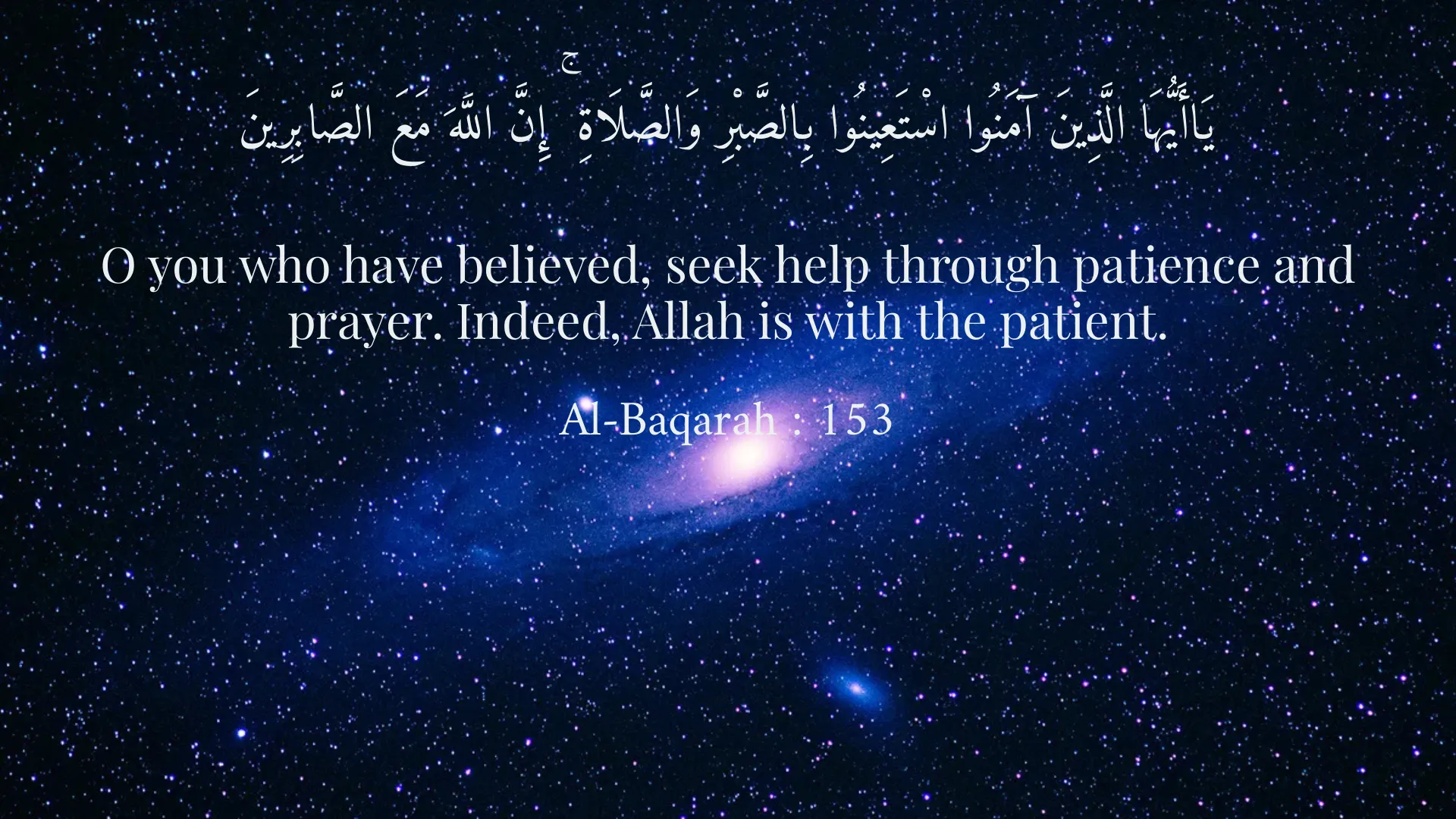
Patience can be described as a virtue that transcends time and culture, often acting as a catalyst for personal growth and development. Within the framework of Islamic teachings, patience is highlighted as a profound and indispensable trait, essential for navigating the complexities of life. The Holy Quran, regarded as the ultimate guide for Muslims, emphasizes patience through numerous verses, establishing it as a cornerstone of faith and resilience. One of the most notable references to patience in the Quran can be found in Surah Al-Baqarah, verse 153, which states, 'O you who have believed, seek help through patience and prayer. Indeed, Allah is with the patient.' This verse reflects the fundamental understanding that patience requires effort and that seeking divine assistance through prayer is a form of strength. The combination of patience and prayer is not arbitrary; rather, it illustrates a profound relationship between human action and divine support. By invoking patience alongside prayer, believers are reminded that Allah's assistance is readily available to those who endure life's trials with faith. Moreover, the Quran does not shy away from indicating the consequences of impatience. Allah warns us that failing to exercise patience can lead to spiritual and emotional harm. Impatience often results in rash decisions driven by anger and frustration, which can further complicate situations and lead to regrettable actions. The importance of maintaining composure in difficult times is emphasized repeatedly, encouraging believers to be steadfast in their convictions and to seek calmness even when faced with adversity. In addition to Surah Al-Baqarah, another significant verse that underscores the value of patience is found in Surah Al-Imran, verse 146: 'And how many a prophet fought, and with him fought many religious scholars. But they never lost hope in what befell them in the cause of Allah, nor did they weaken or submit.' The resilience exhibited by the prophets serves as a powerful example for believers. It illustrates that despite encountering insurmountable challenges, persistence in faith and dedication to a divine mission are paramount. This verse encourages Muslims to draw inspiration from those who came before them, reinforcing the idea that unwavering faith, coupled with patience, leads to eventual success. Patience is intrinsically linked to the notion of hope. In the face of adversity, it is not uncommon for individuals to feel despondent or overwhelmed. However, the practice of patience teaches us that difficulties are often temporary and that perseverance can lead to brighter days. This sense of hope is crucial, particularly during times of personal loss, hardship, or crisis. The Quran encourages believers to maintain a hopeful outlook, reassuring them that Allah's mercy and forgiveness are always within reach, especially for those who endure with patience. Furthermore, the concept of patience extends beyond mere endurance; it involves a proactive approach to managing one's emotions and reactions. It encourages individuals to reflect on their circumstances thoughtfully rather than react impulsively. Patience fosters self-control, allowing believers to engage in constructive dialogue rather than conflict, thereby promoting healthier relationships and a more harmonious life. Every facet of life can benefit from the application of patience. From personal relationships to professional endeavors, the ability to remain composed and committed during challenging times can yield significant rewards. In personal relationships, patience allows individuals to navigate misunderstandings and conflicts with greater understanding and empathy. In professional settings, patience can empower individuals to work through setbacks, whether they relate to project deadlines, team dynamics, or career advancement. By practicing patience, one can maintain a sense of balance and perspective, ultimately leading to a more fulfilling and meaningful life. Moreover, patience is not just a passive acceptance of circumstances; it is an active engagement with faith that encourages personal growth. As individuals practice patience, they often find themselves developing other virtues such as compassion, humility, and gratitude. This holistic development fosters a deeper connection with Allah and instills a sense of gratitude for the trials faced, viewing them as opportunities for growth rather than solely obstacles. In conclusion, the teachings of the Quran emphasize the necessity of patience as an integral component of a believer's life. The verses underscore patience not only as a means to cope with challenges but as a trait that connects individuals more intimately with their faith and with Allah. As Muslims strive to embody this virtue, they are guided towards a healthier, more sustainable existence that transcends the struggles of everyday life. Patience serves as a reminder that with faith and endurance, one can not only survive life's trials but thrive despite them. This guiding principle can profoundly impact relationships, personal development, and one's overall approach to life, highlighting the timeless wisdom embedded within the Quran.
Related Verses
يَاأَيُّهَا الَّذِينَ آمَنُوا اسْتَعِينُوا بِالصَّبْرِ وَالصَّلَاةِ ۚ إِنَّ اللَّهَ مَعَ الصَّابِرِينَ
O you who have believed, seek help through patience and prayer. Indeed, Allah is with the patient.
Al-Baqarah : 153
وَكَمْ مِن نَّبِيٍّ قَاتَلَ مَعَهُ رَبِّيُونَ كَثِيرٌ ۖ فَمَا وَهَنُوا لِمَا أَصَابَهُم فِي سَبِيلِ اللَّهِ وَمَا ضَعُفُوا وَلَا اسْتَكَانُوا
And how many a prophet fought, and with him fought many religious scholars. But they never lost hope in what befell them in the cause of Allah, nor did they weaken or submit.
Al-Imran : 146
إِنِّي أَجْزِيَهُمُ الْيَوْمَ بِمَا صَبَرُوا أَنَّهُمْ هُمُ الْفَائِزُونَ
Indeed, I reward them this Day for their patience; indeed, they are the [truly] victorious.
Al-Mu’minun : 111
Short Story
One day, a man named Hamid was on a journey and faced significant obstacles and troubles. Each time he felt disheartened, he remembered the verses of the Quran and encouraged himself to be patient. He would say to himself, 'Allah is with the patient,' and this faith gave him the strength to continue. By the end of the journey, he returned victorious and with valuable experiences, telling everyone, 'Patience is the key to success.'