Quranic Answer
### The Importance of Worship in Islam: Overcoming Apathy and Disinterest In the Holy Quran, the tantalizing inquiry into why individuals may lack interest and enthusiasm for worship is not a topic with explicit discourse. Yet, within its illustrious verses and profound teachings, one can derive meaningful insights and interpretations that shine a light on this significant issue. The Quran serves as a divine guide for mankind, establishing the framework for worship and building a connection with God. In particular, we can glean essential understandings from various passages that not only highlight the importance of worship but also suggest methods to reignite enthusiasm in those who may feel distant. #### Understanding Worship and Its Essence in Times of Challenge To comprehend why some individuals lack spiritual fervor, it’s pivotal to recognize the critical moments when worship is most vital. One such emphasis can be found in Surah Al-Baqarah, verse 153, where Allah commands the believers, stating: "O you who have believed, seek help through patience and prayer. Indeed, Allah is with the patient." This command underscores that worship and a connection with God are especially significant during hardship and challenges. It's in these trial-laden times that believers are urged to turn to Allah, drawing strength from prayer and patience. The very essence of worship, as articulated in this verse, suggests that during periods of emotional turmoil or when faced with dilemmas, individuals should seek solace in their spirituality. Unfortunately, it seems that when faced with life's nothing less than enduring challenges, many may drift into forgetfulness of God’s overwhelming presence. The apathy towards worship could therefore be interpreted as a symptom of this forgetfulness. #### The Purpose of Existence: Worship Embedded in the framework of Quranic teachings is the understanding of our divine purpose. In Surah Adh-Dhariyat, verse 56, Allah declares: "And I did not create the jinn and mankind except to worship Me." This verse encapsulates one of the profound purposes of human existence: the maintenance of a bond with the Divine. The fundamental role of worship is not merely a ritualistic act; rather, it constitutes a constant reminder of our obligation to foster a connection with our Creator. With this understanding, it becomes clearer why neglecting worship can become a troubling concern. When individuals forget their innate purpose—created to worship—disinterest in worship may flourish. This disconnect can be detrimental, leading to spiritual disarray and a sense of emptiness in one's life. #### The Role of Worldly Distractions In the contemporary world, distractions abound. The allure of achievements, material possessions, and the fast-paced life can detract believers from their spiritual endeavors. Recognizing these distractions presents an opportunity to reflect on Islamic teachings. In verse 24 of Surah At-Tawbah, Allah reminds us: "Say, 'If your fathers, your sons, your brothers, your wives, your relatives, the wealth which you have obtained, the trade in which you fear decline, and the dwellings in which you delight are more beloved to you than Allah and His Messenger and jihad in His cause, then wait until Allah executes His command.'" This profound verse captures the essence of our struggle in prioritizing our love for God over worldly attachments. Love for family and wealth, while natural and significant in the dynamics of human relationships, should never overshadow our sacred obligation to worship. The danger of placing worldly attachments above a spiritual commitment lies in the risk of fostering apathy toward worship. The challenge henceforth becomes navigating through worldly delights while maintaining a steady and committed relationship with God. #### Rekindling Interest in Worship Confronting the issue of disinterest in worship requires more than acknowledgment; it demands proactive engagement. One effective method is through contemplation upon Quranic verses and their meanings. When believers take the time to ponder these teachings, it can evoke a sense of connection and reinvigorate spiritual enthusiasm. For instance, establishing a daily routine to read and reflect on the Quran can be significantly beneficial. The recitation of the Quran is not merely an act of reading; it is an opportunity to engage deeply with one's faith. Study groups or Quranic circles can facilitate this journey with communal support, wherein individuals share interpretations and personal insights, fostering a deeper understanding and connection. Another way to rekindle interest in worship is through remembrance of Allah (Dhikr). Engaging in regular Dhikr can cultivate awareness of God's presence in one's life. The simple act of remembering Allah throughout the day can create spiritual awakening, converting apathy into passion. Moreover, seeking knowledge can expand one’s understanding of the virtues surrounding worship. By learning about the love and mercy of Allah, individuals may become more inclined to show gratitude through worship. Islamic lectures, reading books regarding spiritual growth, and listening to motivational talks can reinstate motivation and commitment towards a worshipful life. #### Conclusion In conclusion, the issue of individuals lacking interest and enthusiasm for worship is multifaceted, stemming from elements such as forgetfulness of God, distraction from worldly possessions, and the challenges of life that can impede spiritual connection. Yet, by reflecting on and engaging with the Quranic verses, believers can enlighten their hearts and reestablish their connection with the Divine. The journey of rekindling interest in worship is personal, yet resources and spiritual teachings provide a roadmap for all who seek to enhance their relationship with God. As believers, it is our eternal obligation to rise above distractions, focusing our hearts toward the ultimate purpose of existence—worshiping Allah, who has commanded us to seek help through patience and prayer, along the path of life.
Related Verses
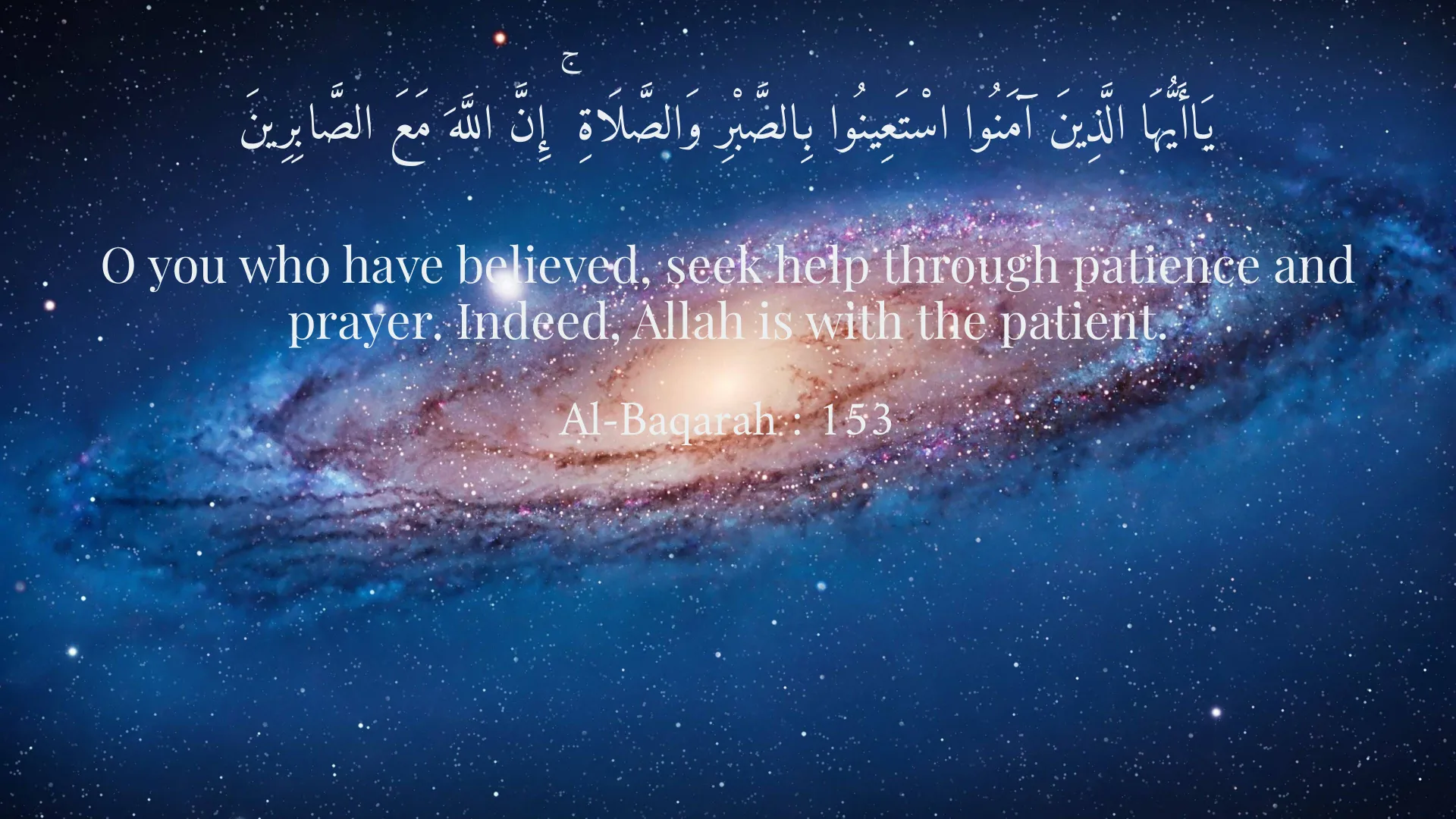
يَاأَيُّهَا الَّذِينَ آمَنُوا اسْتَعِينُوا بِالصَّبْرِ وَالصَّلَاةِ ۚ إِنَّ اللَّهَ مَعَ الصَّابِرِينَ
O you who have believed, seek help through patience and prayer. Indeed, Allah is with the patient.
Al-Baqarah : 153
قُلْ إِن كَانَ آبَاؤُكُمْ وَأَبْنَاؤُكُمْ وَإِخْوَانُكُمْ وَأَزْوَاجُكُمْ وَعَشِيرَتُكُمْ وَأَمْوَالٌ اقْتَرَفْتُمُوهَا وَتِجَارَةٌ تَخْشَوْنَ كَسَادَهَا وَمَسَاكِنُ تَرْضَوْنَهَا أَحَبَّ إِلَيْكُمْ مِّنَ اللَّهِ وَرَسُولِهِ وَجِهَادٍ فِي سَبِيلِهِ فَتَرَبَّصُوا حَتَّى يَأْتِيَ اللَّهُ بِأَمْرِهِ ۚ وَاللَّهُ لَا يَهْدِي الْقَوْمَ الْفَاسِقِينَ
Say, 'If your fathers, your sons, your brothers, your wives, your relatives, the wealth which you have obtained, and the commerce in which you fear decline, and the dwellings in which you delight are more beloved to you than Allah and His Messenger and jihad in His cause, then wait until Allah executes His command. And Allah does not guide the defiantly disobedient people.
At-Tawbah : 24
وَما خَلَقْتُ الْجِنَّ وَالإِنْسَ إِلَّا لِيَعْبُدُونِ
And I did not create the jinn and mankind except to worship Me.
Adh-Dhariyat : 56
Short Story
Once upon a time, there was a young man named Amir who was in search of the real meaning of life. He tried everything but never felt satisfied. One day, a friend introduced him to the Quran. As he began reading, the verses reminded him of God and worship. Gradually, Amir realized that amidst all the distractions, worship and connection with God brought true peace. From that day onward, he aimed to set aside time for worship and spiritual connection, and his life changed remarkably.