Quranic Answer
Faith is a continuous journey that requires constant attention and care. It encompasses a transformative experience that broadens the mind and deepens the soul. In our fast-paced modern lives, we often grapple with distractions that lead us away from our core beliefs and values. Therefore, nurturing one’s faith becomes paramount, as it serves not only as a beacon of hope but also as a guiding principle that shapes our lives, influences our actions, and provides solace during tumultuous times. The Holy Quran, a vital source of guidance for millions, contains numerous verses that elucidate the importance of faith and its profound impact on human existence. One striking example can be found in Surah Al-Imran, verse 173, where Allah states: "And do not think of those who have been killed in the way of Allah as dead. Rather, they are alive with their Lord, receiving provision." This verse serves as a powerful reminder that even in death, there is a form of life that continues, operating on a spiritual dimension beyond human comprehension. Here, faith acts as a bedrock, granting individuals resilience against life’s inevitable challenges. It reassures believers that there is a bigger purpose, and that those who sacrifice for their beliefs are rewarded in the afterlife. This understanding inspires courage and commitment, enabling believers to face hardships with fortitude. The essence of faith is not solely to find comfort but also to instigate action. In Surah Al-Baqarah, verse 286, it is stated: "Allah does not burden a soul beyond that it can bear." This profound verse encapsulates the philosophy that Allah, in His infinite wisdom, assigns responsibilities according to an individual’s capacity and personal limits. It encourages believers to engage in good deeds incessantly, offering a daily reminder of faith's dynamic nature. Practicing goodness not only fortifies faith but also motivates individuals to build a responsible and morally sound character. It transforms faith from a passive belief into an active process, where one's actions continuously reflect their convictions. To sustain faith, people must establish a routine that promotes spiritual mindfulness. This can include daily prayer (Salah), reading the Quran, and engaging in acts of kindness and charity. Such practices anchor an individual’s identity and create a sense of belonging. Furthermore, these rituals serve as daily reminders to realign oneself with their values, ensuring that one remains on the path of righteousness. The importance of community in this journey cannot be overstated; engaging with fellow believers encourages mutual support and further solidifies one’s faith. The sense of belonging to a community that shares similar beliefs can provide emotional support and collective strength, which is critical during difficult times. Renewing and refreshing faith may also involve introspection and self-reflection. Setting aside time for personal contemplation allows individuals to assess their beliefs, motivations, and actions. This reflective practice can reveal areas needing improvement or adjustment and can rekindle one’s passion for their faith. Consistent engagement with spiritual literature, inspirational lectures, or discussions on faith can further invigorate one’s heart and mind. Moreover, in a world often dominated by material pursuits, having faith helps to ground individuals in what truly matters. It encourages one to focus on their moral values, innate integrity, and ultimate purpose in life. As believers strive to cultivate their faith, they learn to navigate life’s complexities with grace and confidence. The teachings of Islam provide a robust framework for ethical conduct, helping adherents to make choices aligned with their beliefs, whilst fostering a deep sense of inner peace and contentment. In this continual journey of faith, individuals may encounter numerous trials and tribulations; these experiences serve as tests of their belief and commitment. Challenges are intrinsic to the human experience and offer opportunities for personal growth. By enduring through difficult times, believers can develop a greater appreciation for life and dynamically evolve their understanding of faith. Each challenge presents a chance to reaffirm one’s reliance on Allah, thereby strengthening their conviction. Beyond personal development, faith also plays a significant societal role, weaving a fabric of trust and unity among communities. Shared beliefs can bridge divides and promote harmony. As individuals work towards strengthening their faith and embodying its principles, they inadvertently contribute to the collective well-being. Acts of charity, social justice, and community service emerge as vital expressions of faith in action, enhancing societal cohesion and contributing to a more equitable world. Crucially, Islam emphasizes the importance of intention (Niyyah) in every act performed. The foundation of actions rooted in sincerity leads to faith being actualized through genuine behavior. This understanding reinforces an individual’s commitment to faith, as they strive to align their inner beliefs with their outward actions. Through conscious efforts to maintain sincerity in all dealings, believers reflect their faith in every aspect of life, from personal relationships to professional undertakings. Ultimately, faith is not a destination but rather an ongoing journey that requires commitment, reflection, and action. It calls for continuous effort in nurturing one's relationship with Allah and strengthening one’s character and resilience. Throughout this journey, the verses of the Quran remind believers of the promises and support available from Allah, encouraging them to stay steadfast in their faith while navigating life’s various challenges. By embracing the teachings of the Quran and incorporating them into daily life, believers can fortify their spirits, raise their moral standards, and inspire others in a shared journey of faith and fulfillment. The importance of daily reminders of faith and actions that help to strengthen it cannot be overstated, as they are crucial elements in ensuring that individuals remain connected to their core values throughout life and emerge as resilient, compassionate contributors to society.
Related Verses
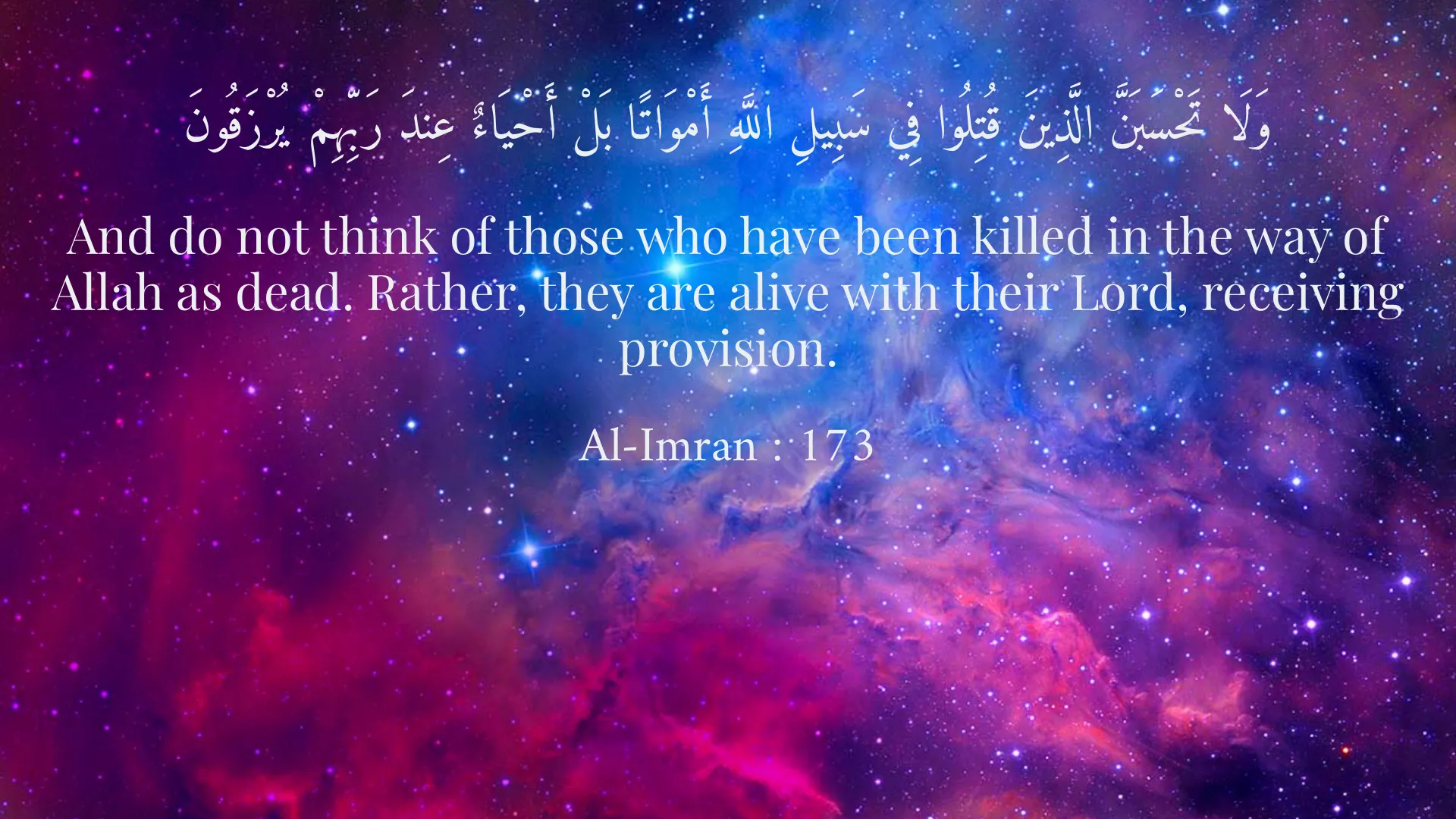
وَلَا تَحْسَبَنَّ الَّذِينَ قُتِلُوا فِي سَبِيلِ اللَّهِ أَمْوَاتًا بَلْ أَحْيَاءٌ عِندَ رَبِّهِمْ يُرْزَقُونَ
And do not think of those who have been killed in the way of Allah as dead. Rather, they are alive with their Lord, receiving provision.
Al-Imran : 173
لَا يُكَلِّفُ اللَّهُ نَفْسًا إِلَّا وُسْعَهَا
Allah does not burden a soul beyond that it can bear.
Al-Baqarah : 286
Short Story
Once, there was a man named Hasan who was always striving for progress in life. He wanted to strengthen his faith, but sometimes he would become heedless. One day, while walking by a river, he noticed an old man who was praying. Hasan realized that the old man devoted time every day to pray and seek God's mercy. This scene touched Hasan's heart, and he decided to dedicate an hour each day to strengthening his faith. He began to study the Quran and pray, and soon he found a greater sense of peace and satisfaction in his life.