Quranic Answer
The tongue is one of the most remarkable features of human anatomy, serving as a crucial instrument for speech and communication. From the sounds of laughter to the tones of anger, the tongue molds our verbal expressions, making it one of the essential tools in conveying thoughts, feelings, and ideas. However, the implications of what we say extend beyond mere words; they possess the power to uplift or degrade, to unite or divide. The Holy Quran sheds light on the significance of the tongue in various contexts, advocating for a mindful approach to our speech and its impact on our relationships and communities. In Surah Al-Hujurat, verse 12, Allah warns, 'O you who have believed, avoid much [negative] assumption. Indeed, some assumption is sin. And do not spy or backbite each other. Would one of you like to eat the flesh of his brother while he is dead?' This verse serves as a stern reminder of the potential harm that can be inflicted by our words. The imagery of consuming the flesh of a dead brother is a powerful metaphor that illustrates the seriousness of slander and backbiting—actions that can create discord and mistrust among people, particularly within a community of believers. The tongue's capacity to cause harm is further emphasized in the many temptations that individuals face when it comes to gossip and negative speech. In contemporary society, we are inundated with opportunities to indulge in conversations that may not be beneficial, factual, or respectful. The Quranic directive to 'avoid much [negative] assumption' encourages believers to practice discernment in their speech, fostering an environment where trust and goodwill can flourish. In addition to the caution against negative speech, the Quran also encourages positive communication. In Surah Luqman, verse 19, it states, 'And speak to people good [words].' This verse suggests a proactive approach to the use of our tongues, reminding us to focus on kindness and positivity. The words we choose can have a transformative effect on those around us. By speaking kind words, we can uplift others, cultivate a sense of community, and create an atmosphere of compassion. Engaging in supportive dialogue helps to build connections based on mutual respect and understanding, effectively countering the destructive potential of negative speech. Furthermore, the tongue serves as a powerful tool for influence. Language shapes perceptions and can motivate individuals toward noble actions or, conversely, lead them down a darker path. For instance, persuasive speech can inspire movements, ignite passion, and rally individuals around a common cause. On the flip side, derogatory language can lead to division, hatred, and conflict. The responsibility that comes with our ability to communicate cannot be overstated; thus, it is imperative for individuals to wield their tongues thoughtfully. Moreover, the consequences of our words extend beyond the realm of interpersonal relationships. The Quran reminds us of the Day of Judgment when our tongues will testify against us. In Surah Al-Mu'minun, verse 13, it is stated: 'And their tongues and their hands and their legs will testify against them of what they used to do.' This profound assertion compels believers to reflect on the gravity of their speech. It serves as a warning that the tongue, though small, carries significant weight regarding accountability and moral standing. Consequently, believers must be vigilant in their speech, striving to use their tongues for spreading love, honesty, and good morals. A commitment to respectful, uplifting communication not only enhances relationships with others but also fortifies one's faith and adherence to religious principles. The act of mindful speaking aligns closely with the core values of many faiths, emphasizing the importance of integrity, respect, and compassion in every interaction. It is also crucial to consider the impact of the digital age on our communication practices. With the rise of social media and instant messaging, speech has evolved into a written form that can be shared and spread at an unprecedented speed. While this facilitates connection, it also increases the potential for misunderstandings, misrepresentations, and harmful comments. As followers of the Quranic teachings, it is essential to continue advocating for positive and respectful discourse in all forms, both in person and online. In summary, the tongue is an extraordinary yet complex organ, serving as a significant tool for communication and connection. The teachings from the Holy Quran about the tongue articulate a clear message: our speech has the power to enact change, foster unity, and create a positive impact within our communities. As we strive to embody kindness and integrity, we empower ourselves to cultivate a more harmonious world, founded on respect and compassion. Through our conscious efforts to speak well, we honor the sacred responsibility that comes with the ability to communicate, reflecting the beauty of our faith in every word we utter.
Related Verses
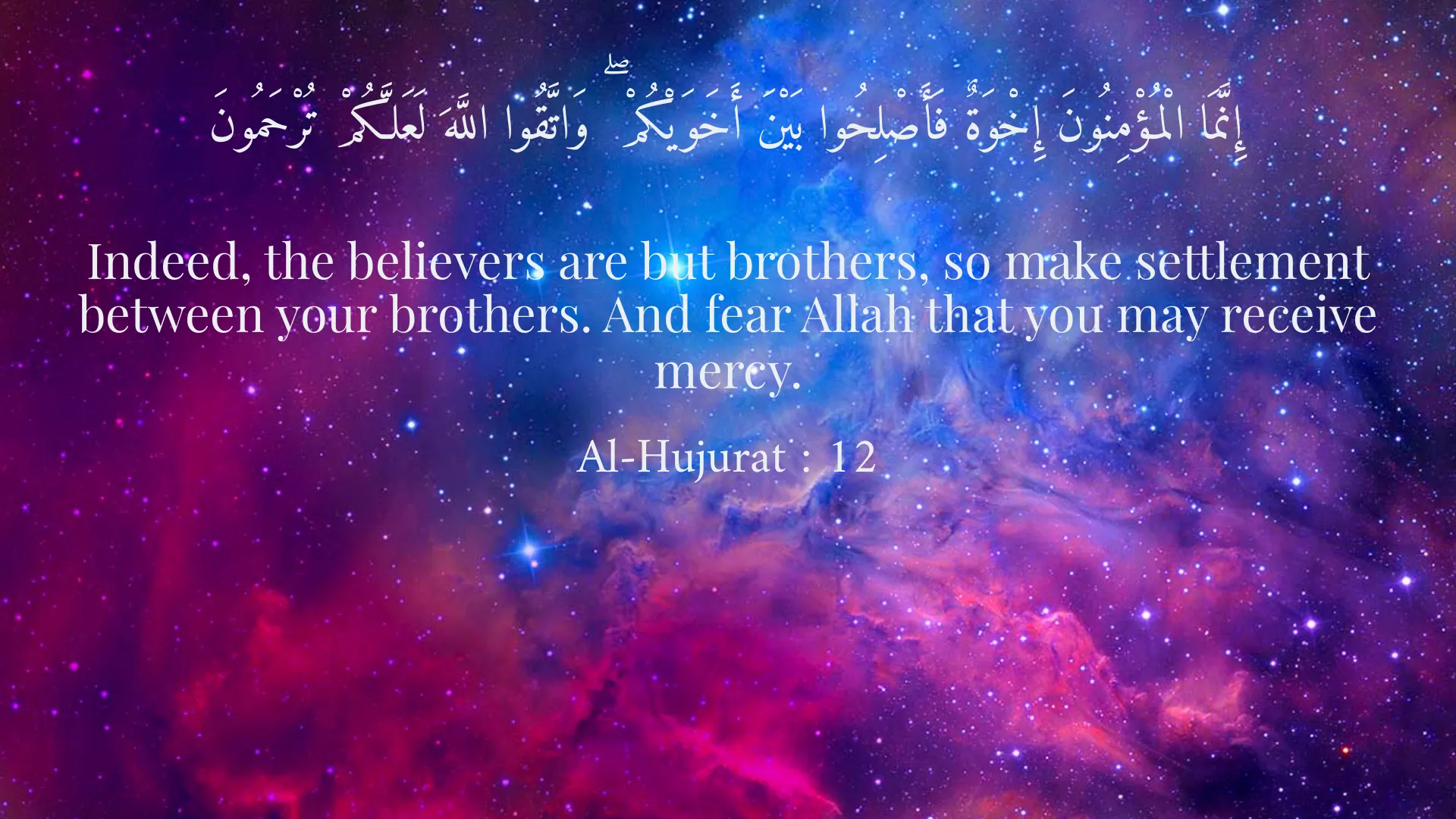
إِنَّمَا الْمُؤْمِنُونَ إِخْوَةٌ فَأَصْلِحُوا بَيْنَ أَخَوَيْكُمْ ۖ وَاتَّقُوا اللَّهَ لَعَلَّكُمْ تُرْحَمُونَ
Indeed, the believers are but brothers, so make settlement between your brothers. And fear Allah that you may receive mercy.
Al-Hujurat : 12
وَإِنَّكَ لَعَلَى خُلُقٍ عَظِيمٍ
And indeed, you are of a great moral character.
Luqman : 19
وَشَهِدَتْ عَلَيْهِمْ أَلْسِنَتُهُمْ وَأَيْدِيهِمْ وَأَرْجُلُهُم بِمَا كَانُوا يَعْمَلُونَ
And their tongues and their hands and their legs will testify against them of what they used to do.
Al-Mu'minun : 13
Short Story
One day, a wise man told a gathering of people: "Your tongue is like a double-edged sword. If used correctly, it can be a great power, but if misused, it can harm you greatly." He shared a story of two friends who spoke harshly to each other and remained apart for a long time. However, after a while, they decided to make peace and realized that only with loving and constructive words can they recreate love. From that day on, they were always careful with their words.