Quranic Answer
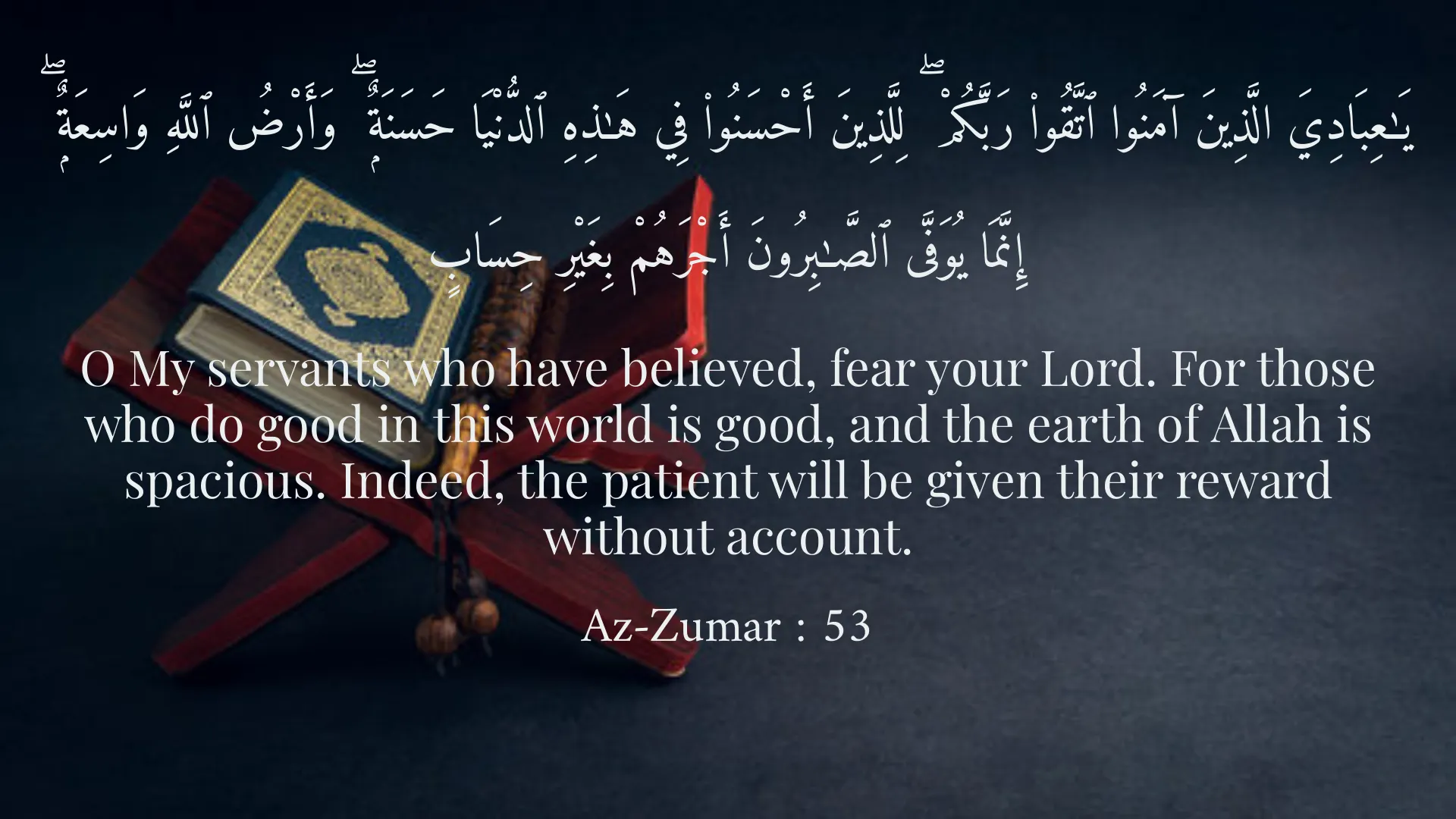
In the Holy Quran, one of the essential attributes of God is His mercy and forgiveness, which serve as an infinite source of hope and strength for believers. The Quran elucidates this profound characteristic in various verses, emphasizing that God’s mercy encompasses all aspects of human existence and guarantees comfort, even amidst tribulations. Understanding the nuances of God's mercy is critical for individuals navigating life's complexities, and it inspires unwavering faith and resilience. One significant verse that illustrates this divine attribute is found in Surah Az-Zumar, verse 53, where Allah beckons, "Say, O My servants who have believed, fear your Lord. For those who do good in this world is good, and the earth of Allah is spacious. Indeed, the patient will be given their reward without account." This verse serves as a reminder that God's mercy is not limited; rather, it is expansive and available to all who seek Him sincerely. The admonition to "fear your Lord" is not meant to convey dread but instead encourages a respectful awareness of His greatness and justice, combined with the recognition of His immense mercy and forgiveness. The phrase, "Indeed, the patient will be given their reward without account," illustrates a cornerstone principle within Islam—the value of patience. Patience, or Sabr, is a virtue cherished in Islamic teachings; it signifies endurance in the face of adversity. When believers remain steadfast during challenging times, they open themselves to receiving God’s boundless rewards and mercy. This reassures individuals that their struggles are not in vain, and they are not alone, as God is aware of their trials and tribulations. Moreover, the promise that 'the earth of Allah is spacious' signifies that no matter how difficult the circumstances, there is always room for hope and mercy. This notion encourages believers to keep striving for goodness and maintain their faith because the rewards are not confined to this earthly existence. It further underlines a core belief in the afterlife, where God's mercy shines through most profoundly and liberally. Additionally, in Surah Al-Baqarah, verse 286, Allah asserts, "Allah does not burden a soul beyond that it can bear." This declaration stands as an assurance of God’s grace and mercy. It reinforces the faith that, despite life's adversities, individuals are equipped with the strength to overcome them. This capacity to bear and endure trials exemplifies God's infinite wisdom in creating human beings with unique strengths and resilience. It is a divine acknowledgment of the varying burdens individuals face, tailored to their capabilities. Such an affirmation invites believers to trust that they will not be overwhelmed by their struggles. Furthermore, in Surah Al-Inshirah, verses 5 and 6, Allah writes, "For indeed, with hardship [will be] ease. Indeed, with hardship [will be] ease." This repetition serves to emphasize the certainty of relief following hardship. The reassurance that ease accompanies adversity conveys a profound message of hope. For believers, these verses instill the understanding that challenges are momentary and that divine assistance is imminent. They inspire a form of optimism that transcends temporary setbacks, encouraging individuals to look forward to the relief that is bound to follow difficulties. The consistent theme throughout these verses is one of hopeful perseverance. The acknowledgment of hardship is balanced with an assurance of ease, reminding believers that their journey is not solitary. The divine presence manifests in times of need, and faith in God's mercy provides a harbor of comfort when everything else seems turbulent. Allah's repeated insistence on mercy throughout the Quran creates a framework within which believers can navigate their lives. In essence, the reminder that the Almighty God is always by our side is paramount. Trials and tribulations are inherent components of human existence. Relying on divine mercy can indeed serve as a considerable source of solace and strength. People often encounter obstacles that test their resolve, yet the belief in God’s compassion can serve as a beacon of hope, inspiring individuals to rise above their challenges. In the face of despair, the loving kindness of God becomes a lifeline. Hope in Allah and trust in His mercy is not merely a concept in Islamic teaching; it embodies a cornerstone of faith that empowers believers to stand firm against adversities. The transformative power of God's mercy can shift perspectives on pain and suffering, allowing individuals to view challenges as opportunities for growth and learning. The understanding that hardship is part of the divine plan fosters a mature faith—a faith that acknowledges pain yet embraces the hope of divine support. In conclusion, recognizing the profound characteristics of God's mercy and forgiveness in the Holy Quran shapes a believer’s spiritual journey. Verses from Surah Az-Zumar, Al-Baqarah, and Al-Inshirah collectively highlight that no matter the severity of life's challenges, God's mercy forever prevails. The scriptural assurances encourage believers to cultivate patience, seek goodness, and remain steadfast in the face of trials. As they deepen their faith in Allah’s compassion, they discover an unshakeable source of strength that not only enables them to endure adversity but also empowers them to transcend it, emerging on the other side renewed and invigorated.
Related Verses
يَٰعِبَادِيَ الَّذِينَ آمَنُوا ٱتَّقُوا۟ رَبَّكُمْ ۖ لِلَّذِينَ أَحْسَنُوا۟ فِي هَـٰذِهِ ٱلدُّنْيَا حَسَنَةٌۭ ۖ وَأَرْضُ ٱللَّهِ وَاسِعَةٌۭ ۖ إِنَّمَا يُوَفَّى ٱلصَّـٰبِرُونَ أَجْرَهُمْ بِغَيْرِ حِسَابٍ
O My servants who have believed, fear your Lord. For those who do good in this world is good, and the earth of Allah is spacious. Indeed, the patient will be given their reward without account.
Az-Zumar : 53
لَا يُكَلِّفُ ٱللَّهُ نَفْسًا إِلَّا وُسْعَهَا ۚ لَهَا مَا كَسَبَتْ وَعَلَيْهَا مَا اكْتَسَبَتْ ۗ رَبَّنَا لَا تُؤَاخِذْنَا إِن نَّسِينَا أَوْ أَخْطَأْنَا ۚ رَبَّنَا وَلَا تَحْمِلْ عَلَيْنَا إِصْرًا كَمَا حَمَلْتَهُ عَلَى ٱلَّذِينَ مِن قَبْلِنَا ۖ رَبَّنَا وَلَا تُحَمِّلْنَا مَا لَا طَاقَةَ لَنَا بِهِۦ ۖ وَاعْفُ عَنَّا وَاغْفِرْ لَنَا وَارْحَمْنَا ۗ أَنتَ مَوْلَـٰنَا فَٱنتَصِرْنَا عَلَى ٱلْقَوْمِ ٱلْكَافِرِينَ
Allah does not burden a soul beyond that it can bear. It has [upon it] what [good] it has gained, and against it what it has earned. Our Lord, do not impose blame upon us if we have forgotten or made a mistake. Our Lord, and lay not upon us a burden like that which You laid upon those before us. Our Lord, and burden us not with that which we have no ability to bear. And pardon us; and forgive us; and have mercy upon us. You are our protector, so give us victory over the disbelieving people.
Al-Baqarah : 286
فَإِنَّ مَعَ ٱلْعُسْرِ يُسْرًا ۖ إِنَّ مَعَ ٱلْعُسْرِ يُسْرًا
For indeed, with hardship [will be] ease. Indeed, with hardship [will be] ease.
Al-Inshirah : 5
Short Story
One day, Adel was walking towards the mosque with a heavy heart filled with despair. He thought that all his problems were endless and that there was no solution in sight. Upon entering the mosque, he heard the voice of the muezzin calling for prayer. He reflected that God was by his side and would always assist him. He realized he needed to strengthen his trust in God and remain hopeful for His mercy. Ultimately, Adel changed his life and found peace, all while keeping faith in God till the very end.