Quranic Answer
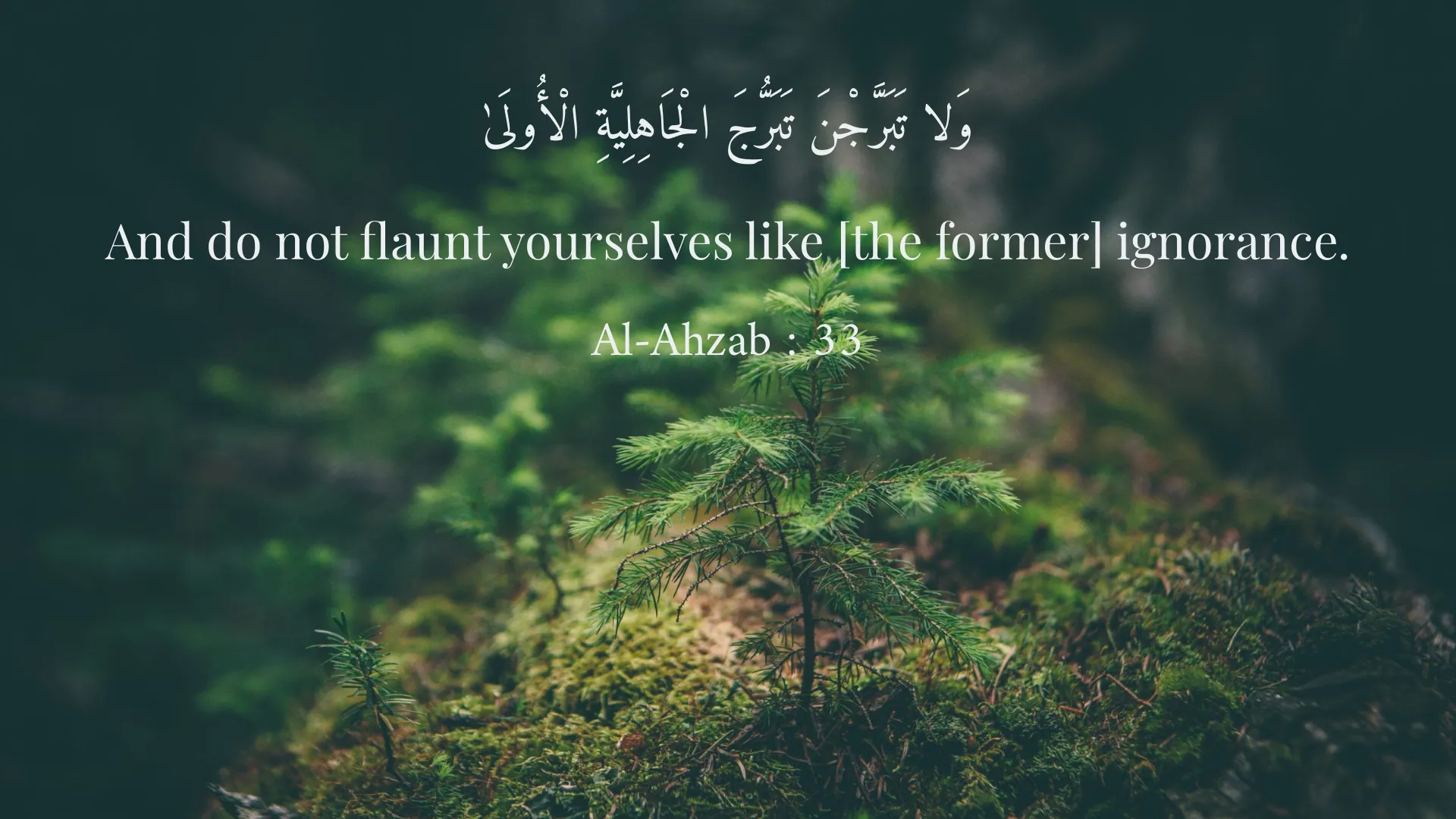
The Holy Quran serves as a comprehensive guide for humanity, delivering wisdom and direction on various aspects of life. Among its numerous teachings, the emphasis on simplicity and moderation stands out as essential values that can lead to a fulfilling and harmonious life. The Quran elucidates the importance of avoiding extravagance through various verses, which remind believers of the perils associated with wastefulness and excessive indulgence. In this essay, we will explore the significance of these teachings, illustrating how they can positively impact individual lives and society as a whole. One of the most prominent verses that encapsulate this message can be found in Surah Al-Ahzab, verse 33, where Allah advises believers: 'And do not flaunt yourselves like [the former] ignorance.' This verse speaks volumes about the dangers of boasting and ostentation, urging individuals to practice humility and refrain from behaviors that disrupt societal harmony. The stark warning against flaunting one's wealth or status resonates strongly, especially in a world that is increasingly obsessed with materialism and external appearances. When people prioritize showing off their possessions and wealth, they undermine the foundation of brotherhood and equality that Islam promotes. The Quran’s teachings advocate for individuals to be humble, fostering a community where harmony and respect take precedence over competition and vanity. Moreover, Surah Al-Anfal, verse 27 states: 'Indeed, Allah does not like the wasteful.' This verse extends the discourse on extravagance by highlighting wastefulness as a character trait that is frowned upon by Allah. The concept of waste can take various forms, including squandering financial resources, time, and even material goods. Being wasteful not only reflects poorly on an individual’s character but can also contribute to broader socioeconomic problems. When individuals indulge excessively and waste valuable resources, they indirectly impact the welfare of society by exacerbating issues such as poverty, inequality, and environmental degradation. By avoiding extravagance and wastefulness, believers are reminded to appreciate the small blessings that life offers. This fosters a sense of contentment and gratitude, where individuals become more attuned to their actual needs rather than insatiable desires for more. In essence, the avoidance of extravagance encourages mindfulness—a practice that aligns one's lifestyle with gratitude and acceptance. It allows individuals to shift their focus from what they do not have to being thankful for what they do have, instilling a sense of peace and fulfillment. Furthermore, the simplicity of life, as encouraged by the Quran, cultivates genuine relationships. When individuals choose to live simply, they find common ground with others, creating a shared understanding and camaraderie. Rather than getting caught in a cycle of comparisons based on material wealth, individuals who embrace simplicity often engage in deeper connections over shared values, morals, and experiences. Living a simple life through the lens of the Quran encourages individuals to prioritize relationships that matter most, such as family, community, and faith. These relationships, built on mutual respect and authenticity, thrive when extravagance and ostentation are sidelined. Individuals quickly learn that true wealth lies not in material possessions but in the richness of connections with those around them. Moreover, adopting a lifestyle that defies the norm of extravagance empowers individuals to become more socially responsible. Those who practice moderation often find themselves in positions to serve others, contributing positively to their communities. With a focus on meeting real needs, such individuals can utilize their resources—be it time, money, or skills—to uplift those who are less fortunate. This charitable spirit is deeply embedded in Islamic teaching, and it aligns perfectly with the avoidance of ostentatious living. The impact on societal norms can be profound as well. When a significant number of individuals embrace simplicity and generosity over materialism, the ripple effect encourages others to do the same. Society begins to re-evaluate what it values, placing greater emphasis on character and community rather than wealth accumulation. This cultural shift can lead to healthier engagements within communities, where collaboration stands as a benchmark rather than competition and individualism. Furthermore, fostering a minimalist approach often aids in reducing stress and anxiety. The pressure to maintain a lavish lifestyle can be overwhelming and detrimental to mental health. Embracing simplicity can provide a sense of relief from societal pressures, allowing individuals to enjoy peace of mind. It encourages mindfulness and a deeper appreciation for life’s simple pleasures, such as spending quality time with loved ones, engaging in nature, or pursuing spiritual matters. In addition, the Quran's guidance on simplicity aligns perfectly with contemporary discussions on sustainability. As the planet grapples with challenges posed by climate change, pollution, and resource depletion, the Quran’s advocacy for moderation and its disapproval of excess can guide individuals toward more sustainable practices. Living simply entails making choices that honor the environment, leading to a lifestyle that is not only beneficial to oneself but also to the planet. In conclusion, the Holy Quran’s teachings on avoiding extravagance and embracing a simple life are not merely guidelines for personal conduct but significant principles that shape a harmonious and fulfilling life. The emphasis on humility, gratitude, genuine relationships, social responsibility, and mindfulness are all valuable attributes that can transform both individual lives and society as a whole. By orienting ourselves around these core values, we pave the way for a community that thrives on shared experiences and collective well-being. In an age dominated by materialism, the lessons derived from the Quran provide essential wisdom that encourages us to seek balance and fulfillment amid life's complexities.
Related Verses
وَلا تَبَرَّجْنَ تَبَرُّجَ الْجَاهِلِيَّةِ الْأُولَىٰ
And do not flaunt yourselves like [the former] ignorance.
Al-Ahzab : 33
إِنَّ اللَّهَ لَا يُحِبُّ الْمُسْرِفِينَ
Indeed, Allah does not like the wasteful.
Al-Anfal : 27
Short Story
One day, a young man named Amir was watching his friends who were always trying to show off their wealth and extravagance. He wondered if living like that truly mattered. He decided to focus on simplicity and to avoid extravagance. Gradually, he felt that with this shift in mindset, he established deeper connections with his true friends and was more satisfied with his life.