Quranic Answer
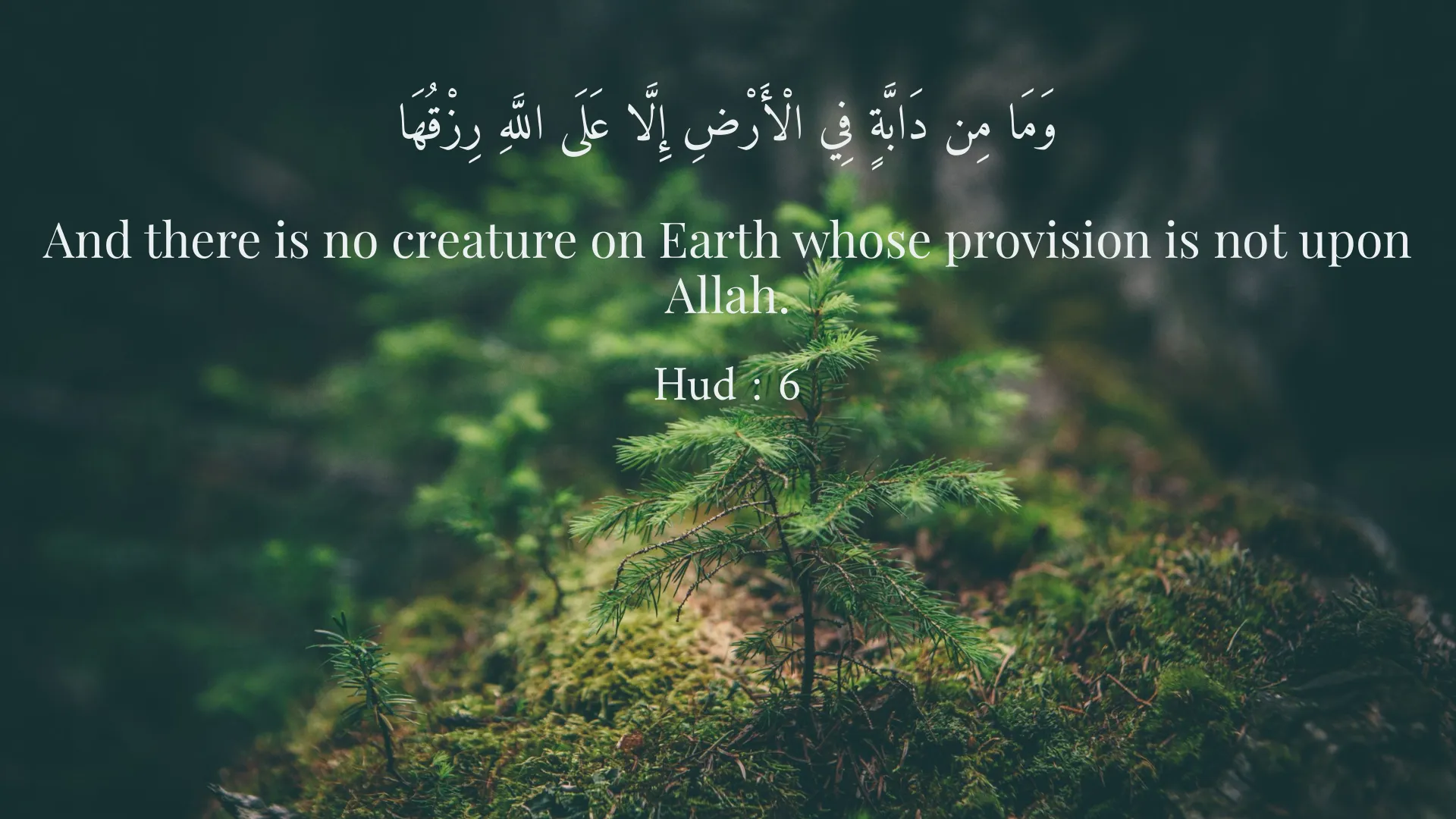
Contentment with God's provision is a profound and vital concept underscored in the Holy Quran. This theme emphasizes the belief that every need and sustenance originates from Allah, a perspective that cultivates a sense of peace and assurance in believers. In Surah Hud, verse 6, Allah states: "And there is no creature on Earth whose provision is not upon Allah." This verse serves to remind humanity that their sustenance and necessities are not merely the products of their labor or fortune, but rather a divine decree. Understanding and accepting this truth can provide profound spiritual and psychological benefits, leading to a more fulfilling life. The centrality of contentment in Islamic theology cannot be overstated. Faith in Allah encompasses a comprehensive trust in His plan, including the understanding that what He has decreed for individuals in terms of provision is inherently suitable for them. Such faith nurtures an attitude of contentment that frees individuals from endless comparisons with others and the ensuing feelings of dissatisfaction and jealousy. When individuals accept their circumstances and the resources they have been granted, they create a space within themselves for tranquility and gratitude. Essentially, contentment aligns perfectly with the teachings of Islam, which advocate for gratitude and appreciation for God’s blessings. In Surah Al-Imran, verse 173, Allah further advises: "So do not grieve for what has been lost to you or for what has befallen you." This verse not only discourages lamentation over losses but also calls for an acknowledgment of one's existing blessings. The directive to appreciate the good that persists in one’s life highlights a significant aspect of contentment — the focus on positive rather than the negative. By shifting one’s attention away from what is lacking and redirecting it towards gratitude for what one possesses, the potential for spiritual growth expands. Being content is not a passive state but an active practice of recognizing and cherishing every blessing, from the minuscule to the monumental. Individuals who cultivate this mentality often find a sense of internal peace, a reduction in anxiety, and a healthier perception of life’s challenges. Moreover, contentment encourages a deeper connection with one's community and surroundings. When individuals are satisfied with their circumstances, they are more likely to extend love and kindness to others, fostering a spirit of generosity and social harmony. Conversely, dissatisfaction often leads to a mindset of entitlement and competition, where individuals may inadvertently suppress the successes of others out of jealousy. In contrast, a heart filled with contentment is naturally inclined toward compassion and altruism, enhancing both personal relationships and overall cohesiveness within society. The pursuit of contentment is also associated with mental well-being. Psychological studies affirm that gratitude and satisfaction contribute to better emotional health, lower levels of stress, and enhanced resilience against adversity. By aligning this with religious doctrines, believers find comfort and motivation in texts that advocate for gratitude and satisfaction. The Quranic perspective provides spiritual validation for psychological phenomena; thus, contentment is portrayed not only as an ideal but as a state that is achievable and supported by God’s omnipotent wisdom. In contemporary society, where materialism often dominates, the challenge of cultivating contentment is more pronounced. Many individuals equate self-worth and happiness with material possessions, leading to an unending chase for more. The wisdom of the Quran stands as a stark contrast to this mindset, offering a pathway forward that redefines success and fulfillment. Recognizing that true contentment lies not in accumulation but in gratitude and acceptance invites a transformative shift in perspective. Contentment with God’s provision, in essence, serves as a critical pillar for spiritual growth, positioning believers to draw nearer to Allah. The Almighty desires His servants to embrace the blessings they have and to acknowledge His role as the ultimate provider. This acceptance fosters a sense of reliance on God’s mercy and benevolence, leading to greater faith and devotion. Therefore, fostering a mindset of contentment is not only a personal journey but one that aligns with divine expectations. By understanding and internalizing the teachings of the Quran on this subject, individuals can cultivate peace, understanding, and a deeper relationship with the Creator. As people learn to be content and grateful for what they have, they unlock the door to spiritual transformation and a richer, more blessed existence. In conclusion, the Quran's emphasis on contentment serves as a vital reminder of the importance of trusting in Allah’s provision. The call to be satisfied with one’s circumstances, coupled with regular gratitude, provides a roadmap towards inner peace and spiritual fulfillment. The teachings found in Surah Hud and Surah Al-Imran encourage believers to focus on the abundance in their lives rather than the deficits, promoting emotional well-being and a harmonious relationship with both Allah and their community. Ultimately, embracing contentment is not merely beneficial but essential for living a life steeped in faith, happiness, and spiritual closeness to God.
Related Verses
وَمَا مِن دَابَّةٍ فِي الْأَرْضِ إِلَّا عَلَى اللَّهِ رِزْقُهَا
And there is no creature on Earth whose provision is not upon Allah.
Hud : 6
فَلَا تَحْزَنْوا مِمَّا قَدْ خَسِرُوا وَلا تَحْزَنوا مِمَّا قَدْ أَصَابَكُمْ
So do not grieve for what has been lost to you or for what has befallen you.
Al-Imran : 173
Short Story
One day, a man named Ali was sitting under a tree, gazing at the sky. He was reflecting on the provisions and blessings God had given him. Suddenly, he noticed that many people are always unhappy and unable to enjoy what they have. Thus, Ali decided to spend his days in gratitude for God's blessings and contentment with what he has. He concluded that contentment would lead to a beautiful life, and he would be satisfied with all that he holds.