Quranic Answer
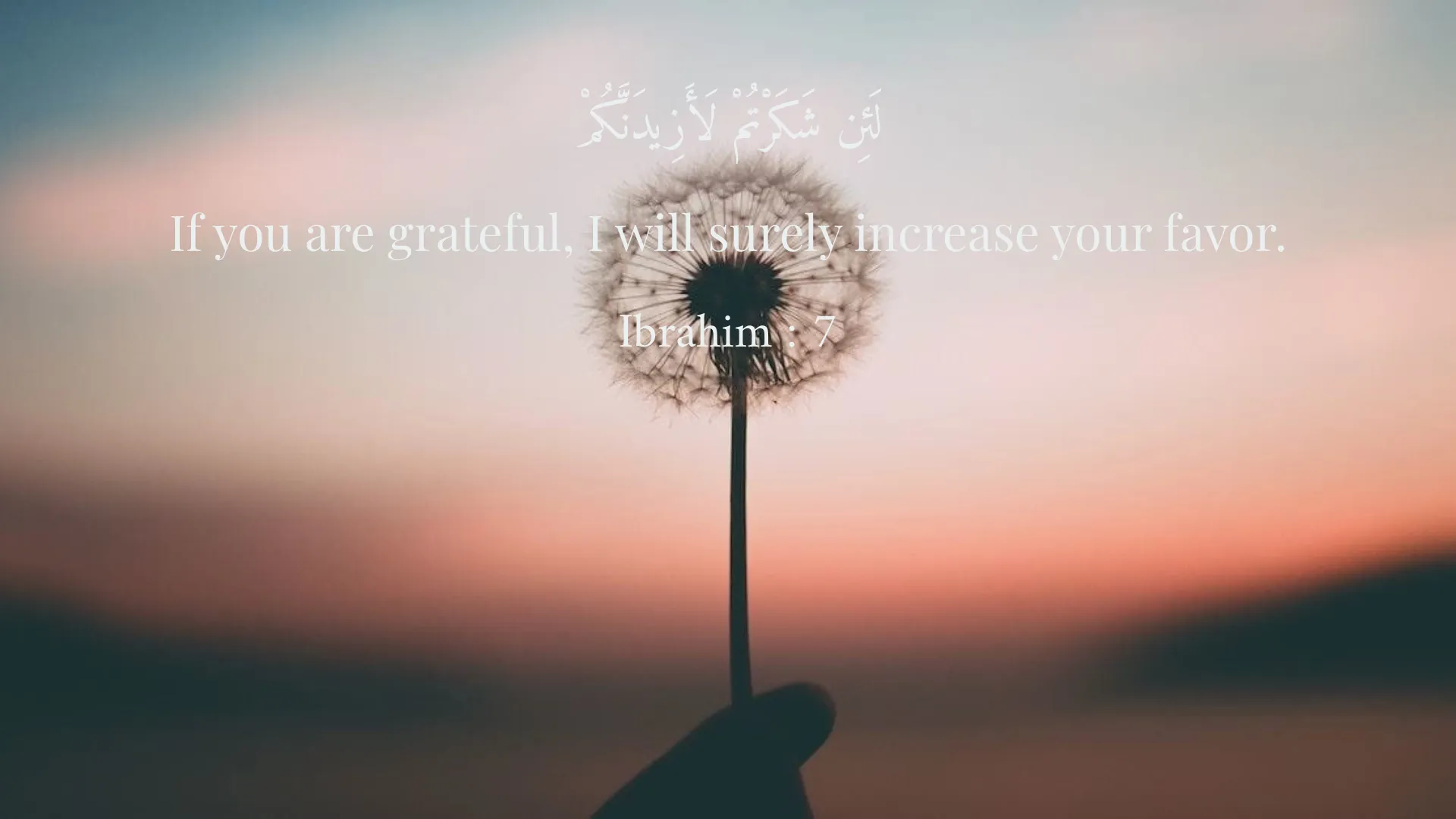
Gratitude is a profound and essential emotion that embodies the essence of a faithful life. In various cultures and philosophical traditions, the concept of gratitude is revered as a cornerstone for personal happiness and spiritual enrichment. In particular, the teachings of the Holy Quran emphasize the paramount importance of gratitude, urging believers to cultivate this powerful sentiment even in joyful times. The Quran illuminates the pathway to gratitude and the consequential blessings that emerge from such an attitude, providing a spiritual framework that encourages not only acknowledgment of one's own blessings but also the nurturing of a compassionate relationship towards others. ### The Essence of Gratitude in Islam The Quran explicitly addresses gratitude in several verses, highlighting its significance in a believer's life. One poignant verse found in Surah Ibrahim states, 'If you are grateful, I will surely increase your favor.' (Surah Ibrahim, Verse 7). This verse not only serves as a reminder of Allah's infinite generosity but also indicates the reciprocity that exists between gratitude and divine favor. Essentially, expressing gratitude leads to an increase in Allah’s blessings and acts as a catalyst for joy and fulfillment in life. In Islam, gratitude, or 'shukr', transcends mere words; it demands action and reflection. By being grateful, individuals cultivate an awareness of their blessings, fostering a mindset that highlights appreciation over dissatisfaction. This positive orientation encourages believers to look beyond their challenges and recognize the abundance present in their lives, reaffirming their faith in Allah's mercy and provisions. In moments of success, joy, and triumph, it is particularly vital to engage in gratitude. Recognition during these joyful occasions not only elevates one’s spirit but also strengthens the bond between the individual and the divine. When believers consciously redirect their thoughts toward gratitude, they unlock a deeper understanding of how blessed they truly are, thereby cultivating a proactive approach to life that is rooted in thankfulness. ### The Role of Gratitude in Daily Life Incorporating gratitude into daily life can have transformative effects on one’s emotional and psychological well-being. Practicing gratitude consciously can enhance one’s awareness of the present moment, promoting mindfulness that can lead to increased satisfaction and happiness. Research in psychology has shown that individuals who regularly practice gratitude experience lower levels of stress and depression, improved self-esteem, and enhanced resilience. This empirical evidence reflects the spiritual principles found in the Quran, as both domains underscore the importance of focusing on what one has instead of what one lacks. Moreover, expressing gratitude within familial and social relationships can foster deeper connections and nurture a positive environment. A simple act of acknowledgment, whether through words or actions, can create a ripple effect of appreciation, kindness, and mutual respect, encouraging a culture of compassion that profoundly enhances personal relationships. As individuals express gratitude towards family members, friends, and colleagues, they inadvertently create an atmosphere of appreciation that uplifts everyone involved, reinforcing social bonds and collective well-being. ### Navigating Through Hardships with Gratitude Although the emphasis on gratitude in moments of happiness is crucial, recognizing the importance of gratitude during times of struggle cannot be overlooked. Hardships and challenges can often overshadow the blessings present in one’s life, making it difficult to maintain a sense of appreciation. However, even in difficult times, cultivating a practice of gratitude can provide solace and perspective, illustrating the strength of faith in navigating life’s adversities. In navigating life's challenges, gratitude serves as a reminder that there are always aspects of life that one can appreciate, regardless of the circumstances. By finding something to be grateful for—be it supportive relationships, personal strengths, or lessons learned from difficult experiences—individuals can foster resilience and hope, emerging from hardship with a more profound understanding of life’s values. Thus, gratitude functions as a powerful antidote to despair, allowing believers to reframe their perspectives and find meaning in their struggles. ### Deepening Connections Through Shared Gratitude When gratitude is expressed collectively—within families, friendships, and communities—it creates a shared sense of connection that can be deeply fulfilling. Celebrating joyous moments by sharing gratitude not only amplifies the experience of joy but also fosters a culture of interconnectedness. Whether through group prayers, communal gatherings, or simple conversations, expressing gratitude collectively enhances the bond between individuals, deepens relationships, and creates a supportive network where everyone feels valued and appreciated. This sense of community plays a pivotal role in reinforcing the values of empathy, kindness, and mutual support. In times of happiness and celebration, sharing gratitude helps individuals bond over shared experiences, cultivating a sense of belonging that can mitigate feelings of isolation or loneliness. This collective gratitude promotes an enriching environment where individuals celebrate each other’s achievements and joy, further reinforcing the positive cycle of appreciation. ### Conclusion In summary, gratitude in moments of happiness stands as a fundamental principle of a faithful life. The teachings of the Quran inspire believers to acknowledge and appreciate their blessings, whether in times of joy or hardship. By maintaining a practice of gratitude, individuals foster a positive spirit that guides them toward a deeper understanding of life’s value and the importance of connections with others. The reciprocal relationship between gratitude and blessings enhances not only personal fulfillment but also cultivates an atmosphere of compassion and togetherness within families and communities. Ultimately, gratitude serves as a guiding principle in one’s journey through life, illuminating the path toward a fulfilling and meaningful existence.
Related Verses
لَئِن شَكَرْتُمْ لَأَزِيدَنَّكُمْ
If you are grateful, I will surely increase your favor.
Ibrahim : 7
وَكُلُوا وَاشْرَبُوا وَلَا تُسْرِفُوا إِنَّهُ لَا يُحِبُّ الْمُسْرِفِينَ
And eat and drink, but be not excessive. Indeed, He likes not those who commit excess.
Al-A'raf : 31
قُل لَّن يُصِيبَنَا إِلَّا مَا كَتَبَ اللَّهُ لَنَا
Say, 'Never will we be struck except by what Allah has decreed for us.'
At-Tawbah : 51
Short Story
One day, a young man named Majid was sitting among his friends, expressing gratitude for his happiness. He decided to take everyone on a trip. During that journey, the pleasant weather and laughter created joy among them. Majid finally said, 'We should be grateful for these beautiful moments, as each one is a gift from Allah.'