Quranic Answer
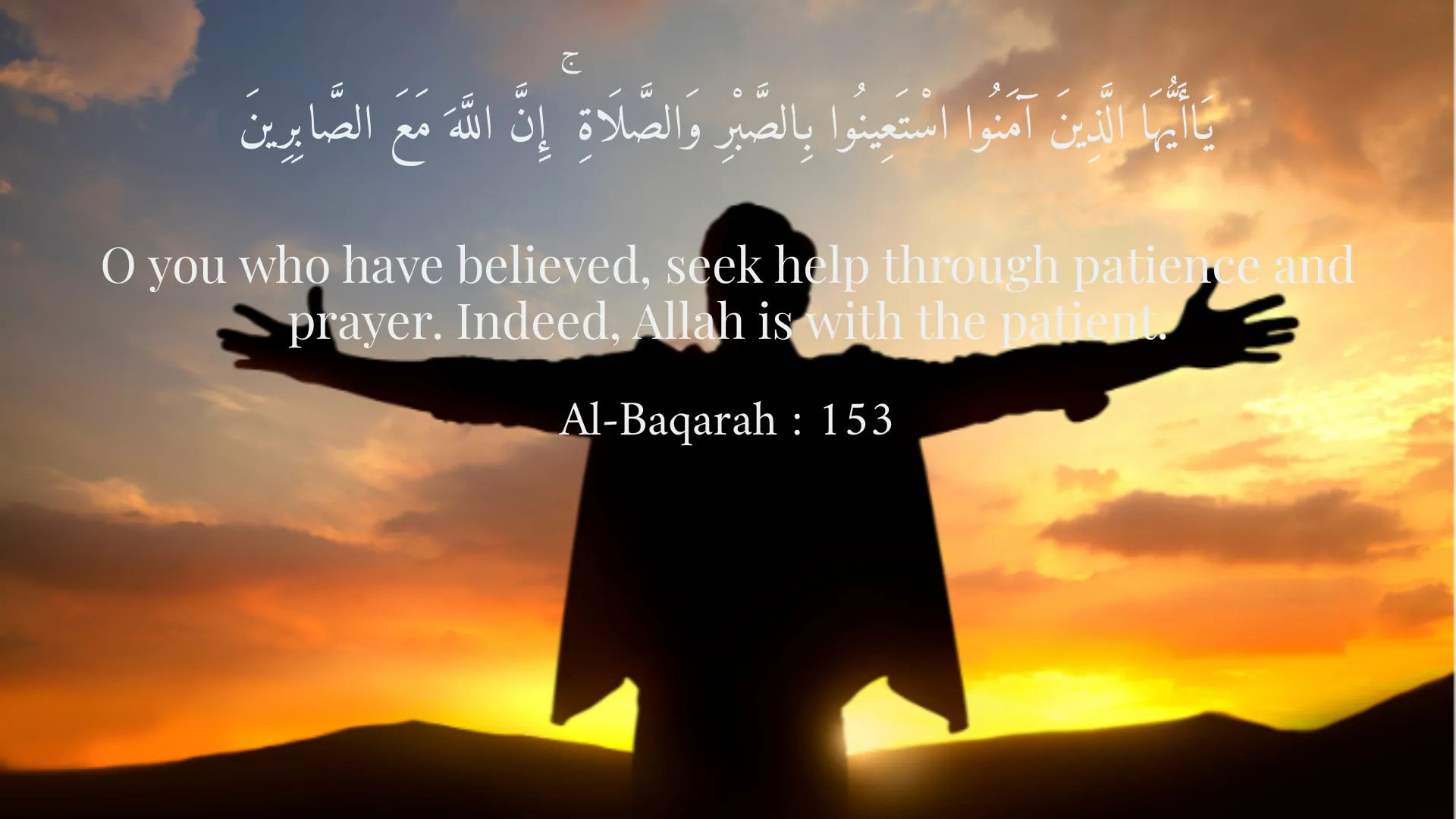
In the Holy Quran, gratitude is not simply an act of acknowledgment; it is portrayed as a fundamental virtue that holds immense significance, especially in the face of life's unavoidable challenges. Many Muslims around the globe turn to the Quran for guidance, finding strength in its verses that encourage a mindset rooted in thankfulness and patience. The spiritual teachings within this sacred text suggest that life is a tapestry of highs and lows, and our response to the adversities we encounter is what shapes our experience. One of the most potent reminders regarding gratitude is found in Surah Al-Baqarah, verse 153. Allah states, 'O you who have believed, seek help through patience and prayer. Indeed, Allah is with the patient.' This powerful verse serves as a beacon of hope for believers, asserting that amidst difficulties, one must persist in seeking deliverance through steadfastness and prayer. It unveils a profound truth: in times of hardship, hope in Allah's mercy becomes a source of solace. When one expresses gratitude amidst challenges, they align themselves with divine support. This connection underscores the essential relationship between gratitude and patience within the Islamic faith. The essence of gratitude is beautifully encapsulated in Surah Ibrahim, verse 7, where Allah reminds us, 'If you are grateful, I will surely increase your favor; but if you deny, indeed, My punishment is severe.' This verse elucidates a reciprocal relationship between gratitude and blessings. Expressing gratitude not only honors the blessings one has received but also positions the believer to receive even greater favors from Allah. The implications here are significant: a heart filled with gratitude is rewarded with further blessings, while ingratitude or denial can lead to the loss of those very gifts. This divine principle encourages Muslims to cultivate a grateful spirit, cultivating awareness of the abundance one already possesses. Gratitude acts as a spiritual antidote during difficult times. When individuals face crises—be it financial struggles, health issues, or emotional turmoil—reflecting on Allah's myriad blessings can be profoundly transformative. The practice of remembering these blessings fosters a sense of peace and stability amidst turmoil. Looking back on past mercies can reignite one's faith, offering strength to navigate current challenges. This reflective gratitude leads to a more resilient mindset, empowering individuals to confront their situations with renewed vigor. Moreover, gratitude is not solely a personal endeavor; it also manifests as an ethical and communal obligation. In Islamic teachings, expressing appreciation towards fellow human beings is encouraged. By acknowledging the good in others and the support one receives, a cycle of positive interactions is cultivated. This ethical dimension of gratitude binds communities together, encouraging mutual support, empathy, and understanding, essential qualities for navigating any society’s challenges. In light of these teachings, it becomes clear that gratitude has multifaceted impacts on personal growth and the strengthening of faith. It allows for a more profound awareness of Allah’s favor and cultivates a sense of humility and interconnectedness with others. In times of distress, instead of succumbing to despair, one can choose to focus on thankfulness, reinforcing a constructive narrative about life and its challenges. The psychological effects of gratitude cannot be overstated. Studies in positive psychology reveal that gratitude is linked with improved mental health outcomes and overall well-being. In a religious context, gratitude enhances one’s relationship with Allah, strengthening faith and nurturing spirituality. It provides clarity and perspective as individuals navigate through challenges. When faced with obstacles, integrating a practice of gratitude can shatter feelings of hopelessness, replacing them with resilience and optimism. Furthermore, gratitude as a practice can be cultivated through intentional actions. Muslims can make it a habit to recite praises of gratitude during daily prayers and moments of reflection. Keeping a gratitude journal, where individuals can regularly document their blessings, can also be an effective method to reinforce this positive habit. This practice can be deeply personal, serving as a reminder of Allah's ongoing presence and favor. In conclusion, gratitude as described in the Quran is far more than a simple expression of thanks; it is a multifaceted virtue that fosters personal growth, enhances spiritual practice, and strengthens community bonds. The teachings emphasize that gratitude is a sacred obligation intertwined with the overall understanding of one’s relationship with Allah and fellow humans. By embracing gratitude, particularly in challenging times, believers not only find solace and strength but also deepen their faith and experience personal transformation. Thus, gratitude remains a cornerstone of Islamic teaching, empowering individuals to lead more fulfilling and meaningful lives.
Related Verses
يَاأَيُّهَا الَّذِينَ آمَنُوا اسْتَعِينُوا بِالصَّبْرِ وَالصَّلَاةِ ۚ إِنَّ اللَّهَ مَعَ الصَّابِرِينَ
O you who have believed, seek help through patience and prayer. Indeed, Allah is with the patient.
Al-Baqarah : 153
لَئِن شَكَرْتُمْ لَأَزِيدَنَّكُمْ ۖ وَلَئِن كَفَرْتُمْ إِنَّ عَذَابِي لَشَدِيدٌ
If you are grateful, I will surely increase your favor; but if you deny, indeed, My punishment is severe.
Ibrahim : 7
Short Story
Once upon a time, a young man named Reza was struggling with many difficulties. He recalled the verses of the Quran and decided to give thanks every day for his blessings. In doing so, Reza realized that while his problems still existed, his spirit was much improved, and he was better able to tackle challenges. Even in the worst situations, he remained grateful, which brought him peace.