Quranic Answer
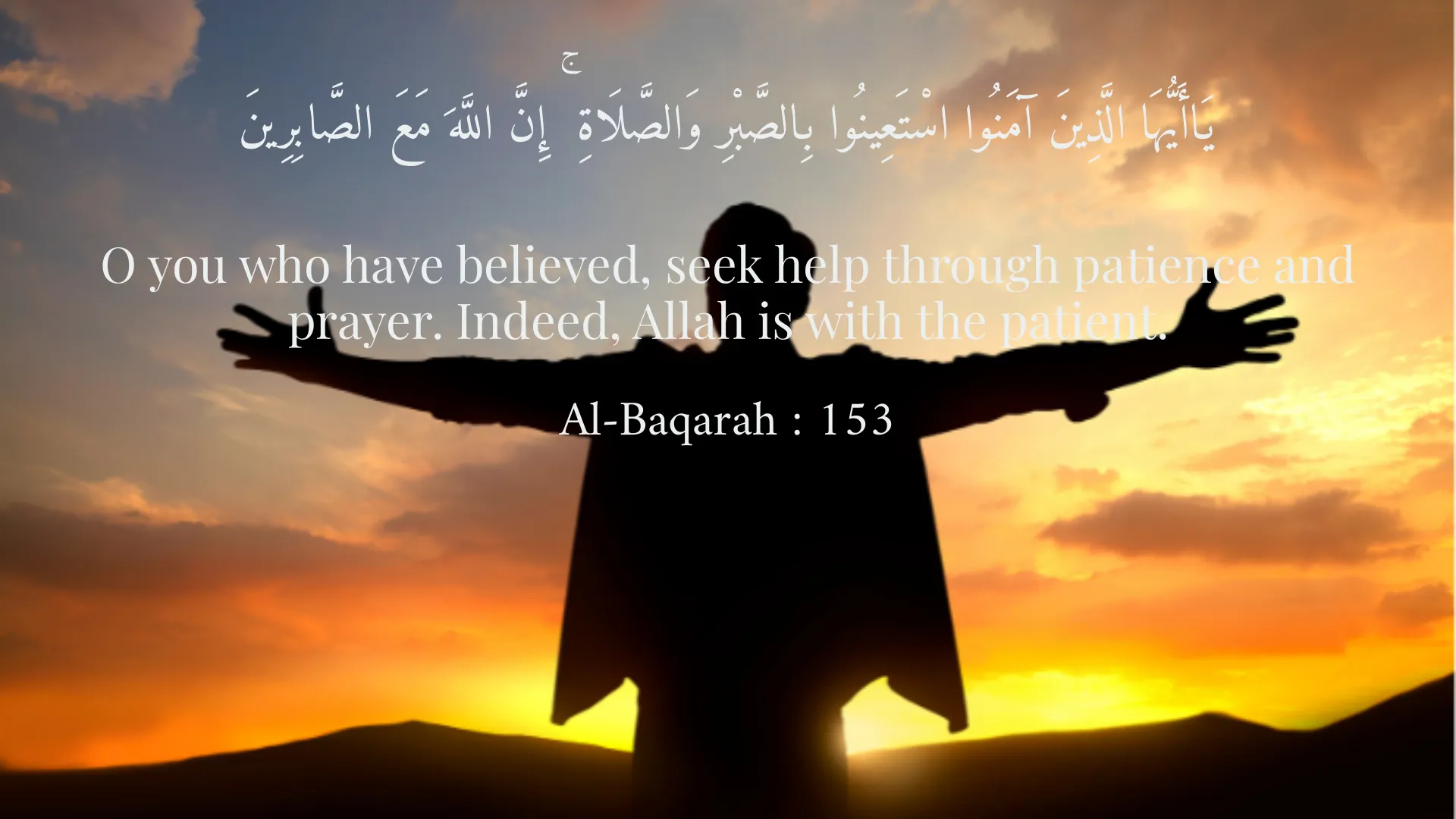
Patience, a cardinal virtue in human character, is significantly emphasized in many religious texts, and particularly in the Holy Quran. In our fast-paced world where instant gratification has become the norm, the value of patience is often overshadowed by the desire for immediate results. Yet, as we delve deeper into the essence of patience, we realize its profound implications for personal growth, spirituality, and the overall quality of human life. This article aims to explore the essence of patience as highlighted in the Holy Quran, its multifaceted nature, and its necessity in navigating the complexities of existence. Starting with the Quranic perspective, the Holy Quran presents patience as a divine trait that aligns closely with faith and trust in Allah. In Surah Al-Baqarah, verse 153, Allah calls upon believers to seek help through patience and prayer. The verse states: 'O you who have believed, seek help through patience and prayer. Indeed, Allah is with the patient.' This divine proclamation serves not only as a command but also as a source of comfort for those undergoing trials and tribulations. It assures the Believers that, during tumultuous times, they are not alone, as Allah’s presence accompanies the patient. The Quran underscores that patience is not a passive state of waiting for problems to resolve themselves; rather, it is an active engagement with life's challenges. Patience is fundamentally intertwined with the practice of prayer, suggesting that reliance on divine guidance during periods of hardship can provide solace and fortitude. The importance of this approach becomes evident as we reflect on our personal challenges and obstacles in life. In Surah Al-Imran, verse 139, the Prophet Muhammad (PBUH) reinforces the message of resilience by instructing believers not to despair amidst tough circumstances, declaring that Allah is indeed with the patient. This admonition transcends mere words; it offers a strategy for overcoming adversity. The virtue of patience enables individuals to navigate through challenges with a spirit of steadfastness. By embracing patience, one recognizes that challenges are a natural aspect of existence. This realization fosters a mindset that appreciates struggle as a pathway to growth. Societal expectations often pulse with the urgency of rapid success and immediate results. This phenomenon can leave individuals feeling anxious or inadequate when confronted with setbacks. However, the teachings of the Quran remind us that enduring difficulties is a common experience shared by humanity. Every individual encounters various trials; what distinguishes us is how we respond to these challenges. The essence of patience is its ability to instill tranquility in times of chaos. It provides a shield against negative emotions such as anxiety and despair. Through patience, we cultivate a deeper relationship with our own emotions, permitting ourselves time to reflect, regain composure, and respond thoughtfully rather than react impulsively. This reflective practice enhances overall mental health, allowing for clearer decision-making and fostering resilience. Fostering patience requires conscious effort and can be likened to developing any other skill or habit. It entails cultivating a mindset that values persistence, especially in an era where distractions abound and instant gratification is readily accessible. By focusing on long-term goals and breaking them into manageable steps, we can build endurance and rely on patience as a guiding principle. Furthermore, patience empowers us in relationships. In a world where communication is often fraught with misunderstandings, practicing patience can enhance interpersonal relations. A patient individual listens more intently, empathizes deeply, and responds thoughtfully—qualities essential for nurturing strong connections with others. By exercising patience, we pave the way for resolution and harmony, fostering a more compassionate society. In confronting the inevitable trials of life, remembering the transient nature of difficulties can be profoundly liberating. Challenges often come in waves, and solely focusing on the struggle can prevent us from seeing the potential for growth they offer. Patience teaches us to maintain perspective; it reminds us that setbacks are often temporary and can serve as catalysts for positive change and development. Indeed, the pursuit of patience can lead to triumph over adversity. Success often requires sustained effort; it's vital to recognize that dedication and perseverance yield results over time. In this regard, patience is indispensable. Whether striving for academic achievements, personal milestones, or fulfilling relationships, patience can facilitate the ability to navigate through setbacks gracefully while continuing to strive toward our aspirations. In conclusion, patience is a remarkable trait embedded deeply in human character and emphasized in the Holy Quran. It is a virtue that shields us against life's storms, nurtures our inner strength, and deepens our connection with the divine. As we engage with the lessons imparted through patience, let us remember that trials are temporary and that cultivating patience will lead us toward greater success and fulfillment. Therefore, it is essential for us to consciously strive to practice and propagate patience in our daily lives, transforming it into a habit that elevates our existence and the lives of those around us. In doing so, we not only enrich our own lives but contribute positively to the fabric of our communities.
Related Verses
يَاأَيُّهَا الَّذِينَ آمَنُوا اسْتَعِينُوا بِالصَّبْرِ وَالصَّلَاةِ ۚ إِنَّ اللَّهَ مَعَ الصَّابِرِينَ
O you who have believed, seek help through patience and prayer. Indeed, Allah is with the patient.
Al-Baqarah : 153
وَلَا تَهِنُوا فِي ابْتِغَاءِ الْقَوْمِ إِن تَكُونُوا تَأْلَمُونَ فَإِنَّهُمْ يَأْلَمُونَ كَمَا تَأْلَمُونَ وَتَرْجُونَ مِنَ اللَّهِ مَا لَا يَرْجُونَ ۗ وَكَانَ اللَّهُ عَلِيمًا حَكِيمًا
And do not weaken in pursuing the enemy. If you should be afflicted, then surely, they are afflicted as you are; and you expect from Allah that which they do not expect. And Allah is Ever Knowing and Wise.
Al-Imran : 139
Short Story
Once upon a time, there was a man named Hamid who faced many troubles in his life. He visited one of his friends, filled with despair, and complained. His friend reminded him, 'Remember the verses of the Quran that say Allah is with the patient.' Hamid decided to be patient and trust in Allah during his struggles. Eventually, after some time, he managed to overcome his problems and found peace.