Quranic Answer
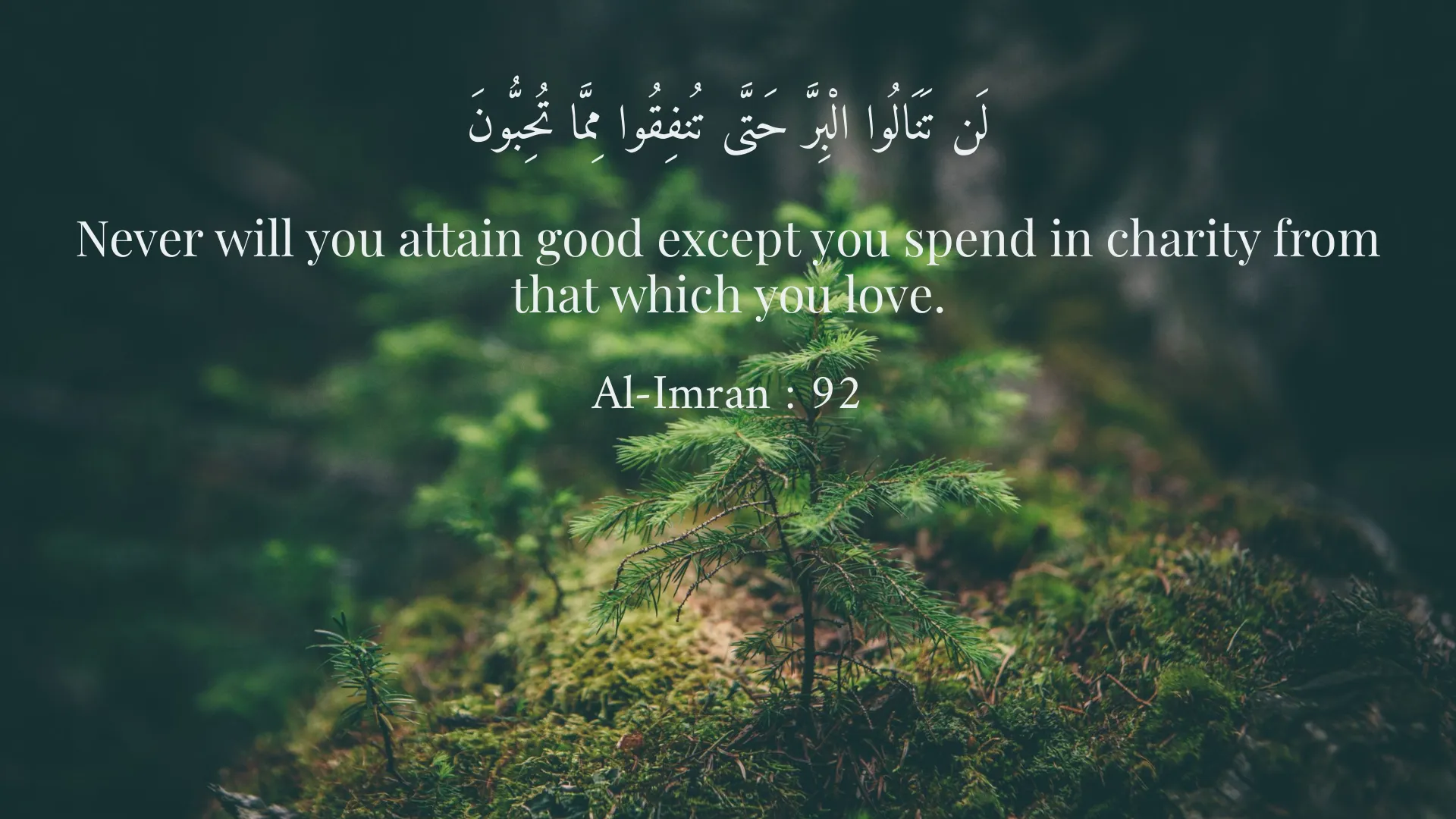
### The Importance of Kindness and Doing Good in Islam In today’s fast-paced and often chaotic world, the virtues of kindness, charity, and altruism can often be overshadowed by self-interest and materialism. However, as emphasized in the Holy Quran, doing good and showing kindness to others are fundamental principles that should govern our interactions and behavior. The teachings of Islam advocate that acts of kindness should be performed selflessly, not for recognition or reward from people, but solely for the pleasure of Allah. #### The Quranic Perspective The Quran places immense importance on the act of giving and showing kindness. In Surah Al-Imran, verse 92, it states: "Never will you attain good except you spend in charity from that which you love." This verse encapsulates a vital lesson: true charity is not merely a matter of wealth or resources; it is about the willingness to give up something you cherish. It challenges individuals to evaluate their priorities and, more importantly, it serves as a divine test of one's character and intentions. Such acts of charity are not only about monetary contributions. They extend to time, effort, and emotional support. The message here is crystal clear: one must be willing to part with what they hold dear as a form of giving, which signifies a high level of selflessness and dedication. By aligning our actions with the intention of satisfying Allah, we cultivate a heart that values compassion and generosity. Furthermore, in Surah At-Taghabun, verse 16, Allah reminds us: "So fear Allah as much as you are able." This reinforces that our piety and obedience to Allah should take precedence over worldly matters. Understanding this divine instruction encourages believers to thank Allah for the capacity to do good, enhancing a sense of mindfulness in all their actions. #### Acts of Kindness and Their Impact on Society Acts of kindness have far-reaching consequences. They create ripples of positivity that can transform communities and societies as a whole. By performing good deeds, individuals can foster an environment of love, warmth, and friendship. As we engage in small acts of kindness, such as helping a neighbor, volunteering, or comforting a friend in distress, we begin to dismantle the barriers of distrust and animosity that often plague interpersonal relationships. It is crucial to recognize that not everyone will appreciate our attempts at kindness. People may respond with indifference or may even take our goodwill for granted. Nonetheless, this should not deter us from our path of goodness. The ultimate reward for our selfless acts lies beyond immediate recognition. Even if our efforts go unnoticed or unappreciated, the Divine has promised that every good deed is recorded. Allah is aware of our struggles, efforts, and intentions, and He will reward those who act with kindness. #### The Virtue of Pure Intention The significance of maintaining pure intentions cannot be overstated. In Islam, the concept of niyyah (intention) plays a pivotal role in defining the value of an action. A deed performed for the sake of Allah, without seeking external validation or approval, is significantly more rewarding in the spiritual realm. This principle encourages believers to focus on their internal motivations. By reminding ourselves that our actions should stem from a desire to please Allah, we cultivate sincerity in our hearts. Such sincerity fosters a deeper understanding of the essence of kindness: that it is a continuous cycle of goodwill, love, and generosity that transcends the need for reciprocation. #### The Unseen Rewards of Kindness There are numerous narrations and Hadiths that illustrate the immense spiritual rewards awaiting those who engage in acts of kindness. Remarkably, it is often noted that a person who acts kindly towards others may not always see the fruits of their labor in this life. Nonetheless, the wisdom of Allah assures believers that nothing goes unnoticed, and divine rewards will come in due time. This leads us to reconsider the nature of kindness and goodness: it is not a transactional interaction, but rather a significant investment into the well-being of humanity and our spiritual growth. Each time we reach out a hand to help others, we are also nurturing our hearts and souls in the process. #### Conclusion In conclusion, the fundamental characteristics of kindness, charity, and altruism are explicitly highlighted in the Quran and the teachings of the Prophet Muhammad (PBUH). The divine command to do good remains a powerful reminder that our lives should reflect compassion and benevolence towards one another. As we navigate the complexities and challenges of today’s world, it is crucial to uphold the essence of kindness, no matter the circumstances or the level of appreciation received. Ultimately, helping others with a heart full of love is not just a moral obligation but a pathway to earning Allah’s favor. This understanding can lead to a profound transformation within ourselves and a collective shift towards a more compassionate society, where acts of kindness sow the seeds of love and friendship, ultimately resulting in a better world for all.
Related Verses
لَن تَنَالُوا الْبِرَّ حَتَّى تُنفِقُوا مِمَّا تُحِبُّونَ
Never will you attain good except you spend in charity from that which you love.
Al-Imran : 92
فَاتَّقُوا ٱللَّهَ مَا ٱستَطَعتُمْ
So fear Allah as much as you are able.
At-Taghabun : 16
Short Story
Once upon a time, there was a kind man named Hasan who worked in an orphanage. Every day, when he helped the orphans, some of them didn't appreciate his efforts. However, Hasan never lost hope in doing good, saying, 'I work for God, and my reward is only from Him.' His words inspired others to be kind and help one another, and eventually, everyone came to appreciate him.