Quranic Answer
In the Holy Quran, Allah advises His believing servants to remember Him during the nights and at special times through worship and supplication. This act of remembrance extends beyond mere ritualistic obligations; it is an essential component of faith that cultivates a deeper relationship with the Divine. Throughout the Quran, the significance of remembering Allah is emphasized repeatedly, showcasing its importance in strengthening faith and fostering a peaceful spirit. This essay delves into the essence of spiritual remembrance, its transformative powers, and the profound comfort it bestows upon believers, particularly during the tranquil hours of the night. The term 'dhikr', or remembrance of Allah, encompasses numerous forms of worship, including prayer, recitation of the Quran, and verbal supplications. In Surah Adh-Dhariyat, verse 56, Allah reminds humanity, 'And I did not create the jinn and mankind except to worship Me.' This profound declaration highlights the intrinsic purpose of our existence—to engage in the worship of our Creator. By worshiping Him, particularly in the solitude of the night, believers can cultivate a direct connection to Allah, fostering an environment where one can freely express their thoughts, concerns, and aspirations. Worshiping during the night has significant spiritual advantages that align with the unique ambiance and stillness of these hours. The night, in many cultures, is perceived as a period of rest and reflection, creating a conducive atmosphere for meditation and introspection. When the world around us is silent, it becomes easier to turn one's heart and soul toward Allah, to contemplate life's purpose, and to seek forgiveness for past wrongs. Additionally, Surah Al-Imran, verse 17, asserts, 'And the patient, and the truthful, and the obedient, and those who spend [in the cause of Allah], and those who seek forgiveness before dawn.' This verse underscores the importance of early morning supplication, particularly in the final moments of the night before dawn. These hours are characterized by their purity and serenity, and they offer believers the opportunity to reflect deeply on their actions and strive to amend any missteps. By seeking forgiveness during this sacred time, individuals position themselves to receive divine mercy and support, becoming spiritually renewed as they move into the new day. The nighttime also serves as a powerful reminder of Allah's closeness to His servants. In Surah Al-Baqarah, verse 186, it is stated, 'And when My servants ask you concerning Me, indeed I am near. I respond to the invocation of the supplicant when he calls upon Me.' This beautiful promise from Allah reassures believers that their prayers and supplications are heard and that they are never alone in their struggles. The act of turning to Him in the quiet hours of the night is a demonstration of trust and faith, a recognition that He is the ultimate source of help, compassion, and guidance. It is during these intimate moments with Allah that believers can bare their souls, seek solutions to their problems, and draw upon His infinite wisdom. Moreover, worship during the night also serves a protective function against negligence and distractions that often plague individuals in their daily lives. As human beings, we are susceptible to the influences of our surroundings, and the daily hustle can lead us to forget the Fount of all grace. Engaging in nighttime worship is an antidote to this spiritual negligence. It acts as a shield against the whispers of Satan, who seeks to divert us from the path of righteousness. By consciously remembering Allah, believers empower themselves with spiritual resilience, enabling them to resist temptation and maintain a steadfast connection to their faith. The significance of nightly worship is further reflected in various sayings of the Prophet Muhammad (peace be upon him). He encouraged his followers to engage in praying at night, highlighting the special status that such acts of devotion hold in the journey of faith. The Prophet's practices and teachings emphasize that through nightly prayers, one can attain a deeper understanding of oneself and one’s relationship with Allah. By submitting to Allah during these quiet hours, believers carve out a sacred space where they can reflect upon their lives, assess their actions, and identify ways in which they can improve. In various cultures, the night is often associated with mystery and depth, qualities that resonate profoundly with the spiritual journey. Many believers find that the atmosphere of the night serves as a backdrop for pondering life's larger questions—questions regarding purpose, morality, and existence. These reflections can lead to significant personal revelations, guiding individuals on the path to spiritual enlightenment. Additionally, the communal aspects of worship during the night, especially in Ramadan or during late-night prayers (Tahajjud), foster a sense of unity among believers. These collective practices offer an opportunity for the community to come together in their devotion, sharing in the experience of connection with Allah while supporting one another in faith. This collective embrace of spirituality serves to reinvigorate individuals and create a welcoming environment that encourages deeper connectivity to the Divine. In conclusion, the significance of remembering Allah during the nights cannot be overstated. Through worship, supplication, and sincere reflection, individuals not only strengthen their relationship with the Creator but also find solace and peace amid life’s challenges. The intimate moments spent in prayer during these hours ensure that Allah's mercy and guidance are ever-present in the lives of believers. Recognizing the value of these practices inspires individuals to prioritize their spiritual well-being, cultivating a lifestyle that continuously nurtures faith. As stated in Surah Al-Baqarah, Allah's nearness and responsiveness to His servants mark a profound truth that every believer should embrace—a source of comfort and guidance as they navigate this earthly journey.
Related Verses
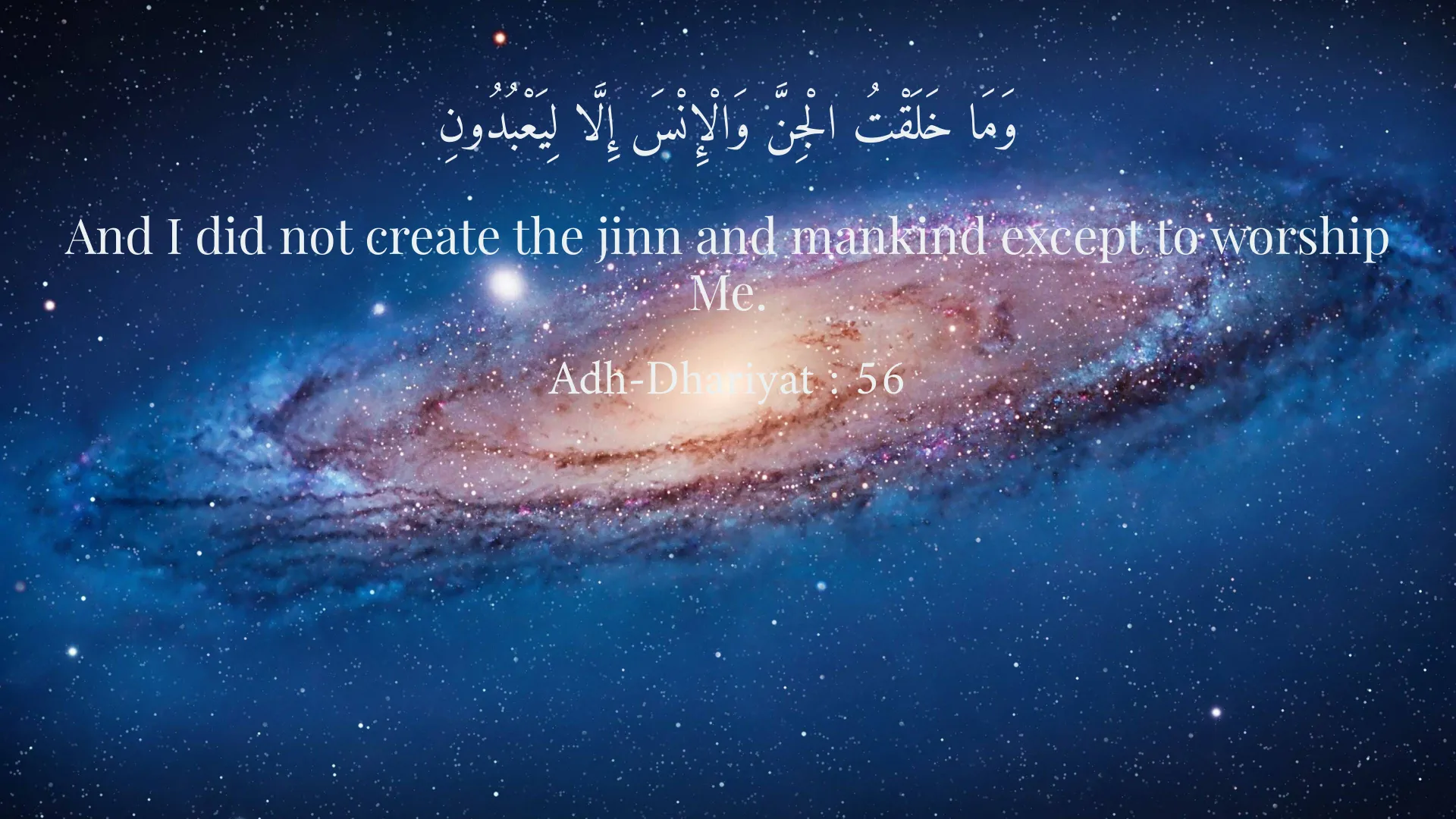
وَمَا خَلَقْتُ الْجِنَّ وَالْإِنْسَ إِلَّا لِيَعْبُدُونِ
And I did not create the jinn and mankind except to worship Me.
Adh-Dhariyat : 56
وَالصَّابِرِينَ وَالصَّادِقِينَ وَالْقَانِتِينَ وَالْمُنفِقِينَ وَالْمُسْتَغْفِرِينَ بِالْأَسْحَارِ
And the patient, and the truthful, and the obedient, and those who spend [in the cause of Allah], and those who seek forgiveness before dawn.
Al-Imran : 17
وَإِذَا سَأَلَكَ عِبَادِي عَنِّي فَإِنِّي قَرِيبٌ ۖ أُجِيبُ دَعْوَةَ الدَّاعِ إِذَا دَعَانِ
And when My servants ask you concerning Me, indeed I am near. I respond to the invocation of the supplicant when he calls upon Me.
Al-Baqarah : 186
Short Story
One beautiful night, Maryam was sitting in her yard looking at the stars. She felt that her life desperately needed change. She thought about how she could get closer to God. She decided to spend a few minutes each night before sleeping to remember God and ask for His forgiveness. Over time, Maryam felt a greater peace return to her life, and her problems became easier to deal with.