Quranic Answer
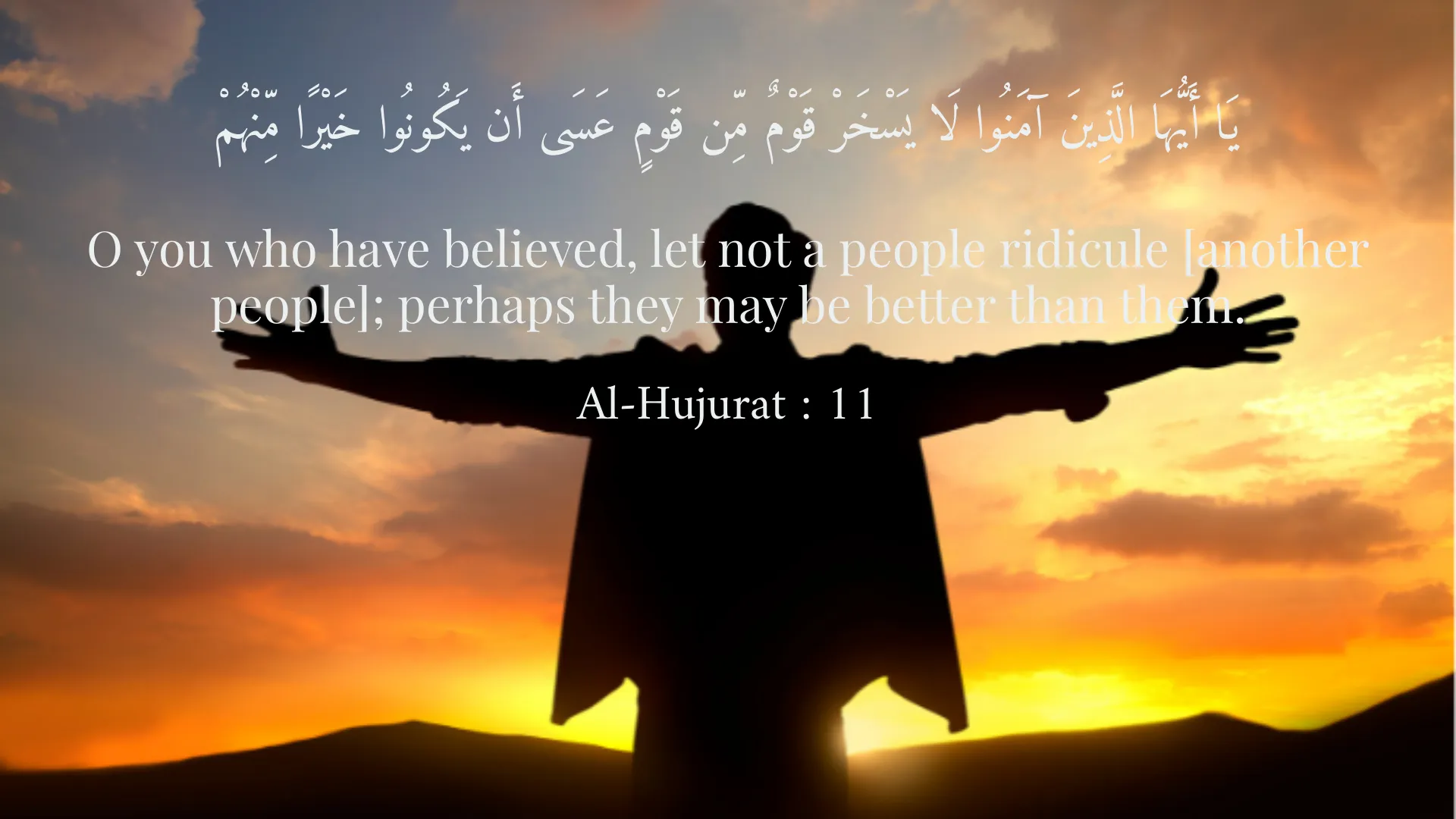
In the Holy Quran, belittling and scorn towards others is strongly condemned, serving as a substantial reminder of the ethical standards that govern interpersonal relationships among believers. The Islamic teachings emphasize the importance of mutual respect, compassion, and a sense of community, urging individuals to recognize the inherent dignity of every human being. This emphasis is particularly salient in Surah Al-Hujurat, verse 11, where Allah states: 'O you who have believed, let not a people ridicule [another people]; perhaps they may be better than them.' This directive is profound, revealing that the act of belittling others is not merely a social faux pas; it is an affront to the Almighty Himself. The verse illuminates the reality that one's perceived status may not reflect their true worth, especially in the sight of Allah, who prioritizes the character and intent of individuals over superficial markers of success or legacy. The implications of this teaching stretch far beyond personal interactions. It exposes the deep-rooted injustices of a society that allows ridicule and humiliation to fester unchecked, ultimately engendering environments filled with animosity and hatred. When individuals engage in the act of belittling others, they contribute not only to the deterioration of the victim's self-esteem but also to a larger decline in societal harmony. The cycle of scorn breeds more resentment, often leading to divisions amongst communities and preventing the flourishing of cooperative relations. Furthermore, Allah's verses in Surah An-Naba, specifically verses 34 and 35, serve as both a warning and a reminder. They articulate that those who humiliate others and distance themselves from their fellow humans will be brought to account on the Day of Judgment. This notion is essential, as it highlights the ultimate accountability that transcends earthly confines. The emphasis on divine judgment places the burden of moral decisions—such as respecting others and refraining from ridiculing them—within a celestial context of responsibility. In a world where the lines of social status, wealth, race, and power often distort human perceptions, the Quran's message calls for a societal reset. 'Preventing the belittlement of others and respecting them is, in fact, a form of reverence towards Allah's creation.' This perspective challenges individuals to recognize that they hold a sacred duty to treat each other with kindness and decency, honoring the diverse tapestry of humanity as designed by God. The divine creation is expressed in the Quranic verse that underscores the notion that 'God has created all humans in the best form.' This teaches believers that every person is endowed with innate value and worth. Disrespecting others is not simply a matter of societal bad manners; it is a misinterpretation of God's intention in creating human beings. Ignoring this divine truth is to disregard the blessings that God has granted to humanity. Each time an act of belittlement occurs, it not only diminishes the individual subjected to humiliation but also erodes the fabric of society—challenging the core values of love, compassion, and brotherhood that Islam advocates. To cultivate communities that thrive on mutual respect and support, it is paramount for individuals to embody the Quranic teachings in daily practices. This involves not only refraining from ridicule and scorn but also actively uplifting one another. The act of supporting others creates a ripple effect, generating a culture of positivity and empathy that counters negativity and division. Collective efforts toward promoting kindness can transform societies, enabling individuals to feel valued and respected. Moreover, the psychological implications of belittling others cannot be overlooked. An environment where ridicule is prevalent can lead to severe psychological crises, affecting individuals' mental well-being and self-worth. Such an atmosphere fosters insecurity, anxiety, and resentment, ultimately hindering personal growth and societal progress. This reality echoes the Quran's insistence on honoring each other's dignity, as harmony in society hinges on every individual feeling secure and valued. Hence, the Quran reminds us to uphold fairness and respect in our interactions. It serves as a moral compass, guiding believers away from harmful behaviors like belittlement and toward the more enriching practices of respect, kindness, and solidarity. By adhering to these principles, individuals not only demonstrate their devotion to God but also contribute to a harmonious, compassionate society that reflects the true essence of Islamic values. Such a commitment to respect and mutual upliftment can create a powerful legacy, ensuring that future generations of believers continue to thrive in an atmosphere of love and support. In conclusion, the Quran’s teachings against belittlement and ridicule offer profound insights into the nature of human relationships. As individuals committed to following these teachings, we are called to foster environments where respect, understanding, and compassion are paramount. Only then can we truly embody the divine message surrounding human dignity and the concept of brotherhood in humanity, nurturing a world that reflects the tranquility and beauty of Allah’s creation.
Related Verses
يَا أَيُّهَا الَّذِينَ آمَنُوا لَا يَسْخَرْ قَوْمٌ مِّن قَوْمٍ عَسَى أَن يَكُونُوا خَيْرًا مِّنْهُمْ
O you who have believed, let not a people ridicule [another people]; perhaps they may be better than them.
Al-Hujurat : 11
إِنَّ الْمُتَّقِينَ فِي جَنَّاتٍ وَنَهَرٍ
Indeed, the righteous will be in gardens and rivers.
An-Naba : 34
فِي مَقْعَدِ صِدْقٍ عِندَ مَلِيكٍ مُّقْتَدِرٍ
In a seat of honor near a Sovereign, Perfect in Ability.
An-Naba : 35
Short Story
One day, a man was shopping in the market when he unexpectedly ran into an old friend. While initially avoiding each other, they exchanged greetings. His friend reminded him that sometimes, we must respect others and not allow anyone to belittle us. These words made the man reflect on the importance of human relationships and mutual respect.