Quranic Answer
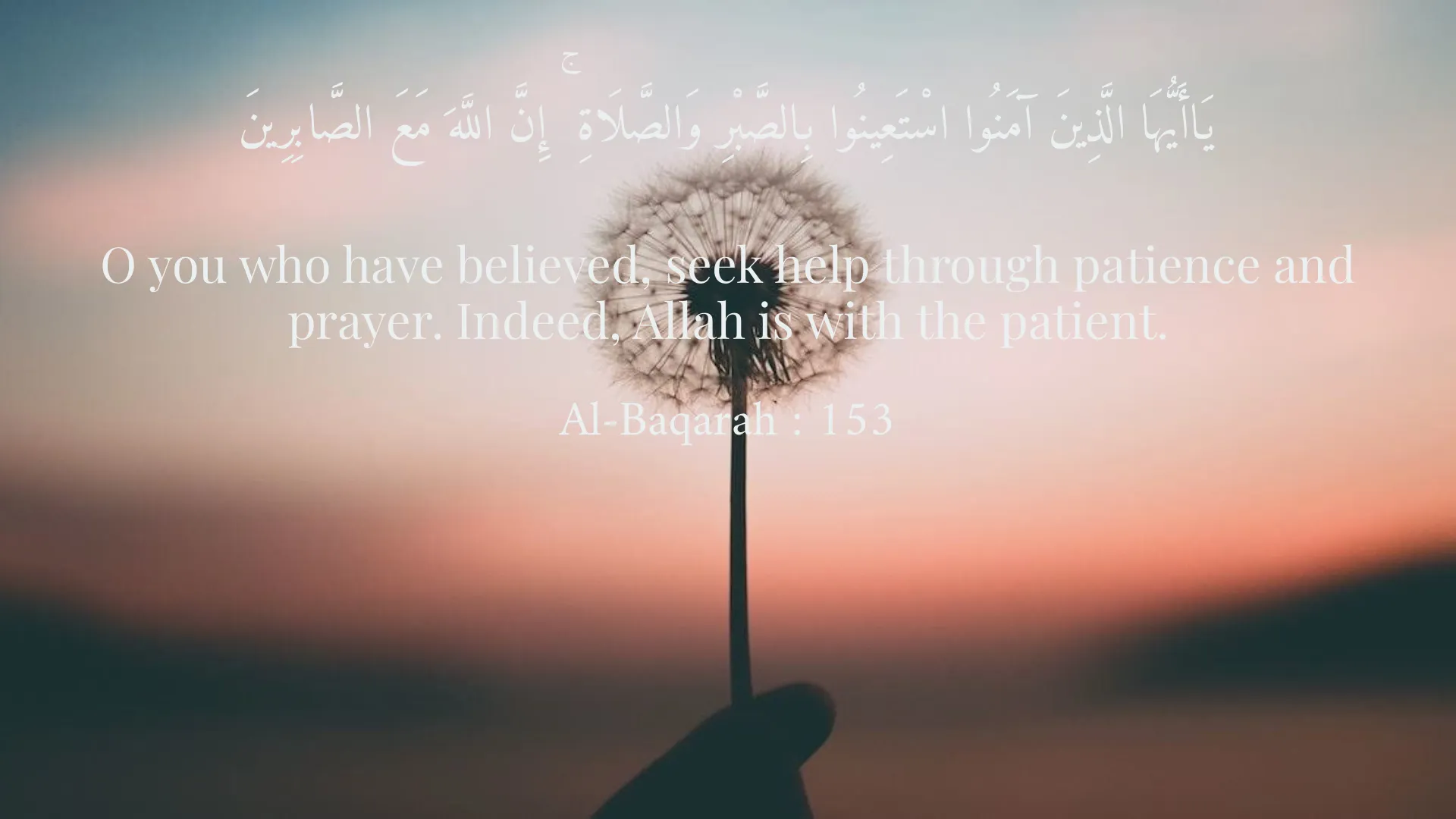
Patience is often defined as the ability to endure difficult circumstances with a calm and steady demeanor. It’s a fundamental quality, especially in the context of spirituality and personal development. In the Quran, patience is highlighted as one of the prominent attributes of a true believer. The religious and spiritual significance of patience is evident throughout the sacred text, and its importance extends to our daily lives. In this article, we will explore the multifaceted concept of patience as conveyed in the Quran, its significance in the lives of believers, and its essential role in overcoming challenges and achieving personal growth. The Quran offers profound insights into the nature and necessity of patience, particularly in Surah Al-Baqarah, verse 153, where Allah instructs the believers: 'O you who have believed, seek help through patience and prayer. Indeed, Allah is with the patient.' This verse emphasizes that patience is not simply a passive waiting game; it is an active endeavor, a conscious choice made by the believer to seek assistance from Allah through steadfastness and prayer. This instruction not only calls believers to remain patient in times of difficulty but also reassures them that Allah's support accompanies those who are enduring calamities with patience. The context of this verse highlights the importance of patience during life's tribulations. Trials and tribulations are inherent to the human experience; they are part of our journey in this world. By choosing patience, believers demonstrate their reliance on Allah and their commitment to their faith even when faced with hardship. This active engagement in enduring pain and discomfort fosters a resilient spirit, allowing individuals to transcend their immediate struggles and appreciate the divine blessings that follow, once the storm has passed. Similarly, in Surah Al-Imran, verse 186, Allah further elaborates on the inevitability of trials: 'And we will surely test you with something of fear and hunger and a loss of wealth and lives and fruits, but give good tidings to the patient.' This verse reiterates that tests and tribulations are guaranteed aspects of life. They come in various forms—fear, hunger, loss, and countless other challenges—but patience is the beacon that guides believers through adversity. The Quranic depiction of patience serves as a reminder that believers must brace themselves for encounters with hardship. In life, adversity is a given. It can manifest in various ways: personal loss, financial struggles, health issues, or even social injustices. The emphasis placed on patience in the Quran indicates that enduring these challenges is not merely about surviving but about thriving within the struggle. The promise of good tidings to the patient underscores the potential for growth that stems from enduring life's difficulties. Patience is not an end in itself; it is a means to a greater end, ultimately steering believers closer to perfection and spiritual maturity. Moreover, the journey of patience is not limited to moments of hardship. It requires consistent mindfulness, vigilance, and awareness of one's actions and thoughts. This quality must be embodied in both moments of defeat and in triumph. When faced with success, it can be easy to forget the lessons learned during difficult times. Patience teaches humility and groundedness; it encourages believers to recognize that success is fleeting and should be attributed to divine guidance rather than mere human effort. In this light, patience can be regarded as a universal life lesson. It reminds us that while we strive toward our goals, the journey will undoubtedly include obstacles and setbacks. The ability to maintain composure and resilience in the face of challenges positions individuals on a path toward achieving their aspirations. Each trial becomes an opportunity for growth, illustrating the strong connection between patience and personal development. Furthermore, the benefits of practicing patience extend beyond the individual. In the context of communities, patient individuals contribute to fostering environments of understanding, tolerance, and compassion. When faced with collective challenges, patience can serve as a binding agent that keeps people united. It nurtures social bonds and promotes harmony, thereby strengthening the fabric of communities. In a fast-paced world where instant gratification dominates, the value of patience is often underestimated. Yet, the Quran offers timeless wisdom that contradicts this notion; it guides believers toward cultivating patience in their lives, reinforcing its significance as a core principle of faith. In essence, patience strengthens the believer’s relationship with Allah, deepens faith, and fosters resilience in the face of life’s vicissitudes. In conclusion, patience emerges as one of the vital characteristics of believers, as emphasized throughout the Quran. It is an essential quality that fosters spiritual and personal growth, guiding individuals through the trials and tribulations of life. As outlined in the scripture, patience is an unwavering commitment to tie oneself to Allah while actively navigating life's challenges. Its value transcends personal spheres, fostering communal ties and promoting unity. Hence, embracing patience in our lives synthesizes the teachings of the Quran with practical wisdom, reminding us of the importance of resilience, faith, and reliance on Allah in every moment—both easy and difficult. For believers, the cultivation of patience is not merely a quality to be aspired to, but a profound practice that draws them closer to Allah and the blessings of a fulfilled life.
Related Verses
يَاأَيُّهَا الَّذِينَ آمَنُوا اسْتَعِينُوا بِالصَّبْرِ وَالصَّلَاةِ ۚ إِنَّ اللَّهَ مَعَ الصَّابِرِينَ
O you who have believed, seek help through patience and prayer. Indeed, Allah is with the patient.
Al-Baqarah : 153
وَلَنَبْلُوَنَّكُم بِشَيْءٍ مِّنَ الْخَوْفِ وَالْجُوعِ وَنَقْصٍ مِّنَ الْأَمْوَالِ وَالْأَنفُسِ وَالثَّمَرَاتِ ۚ وَبَشِّرِ الصَّابِرِينَ
And we will surely test you with something of fear and hunger and a loss of wealth and lives and fruits, but give good tidings to the patient.
Al-Imran : 186
Short Story
Once upon a time, a young man named Ali was searching for answers to questions about his life. He faced multiple challenges and felt hopeless. One day, he turned to the Quran and read verses about patience. He decided to endure his problems and not forget to pray and seek divine help. Gradually, he realized that patience not only made him stronger but also bestowed him with peace and confidence.