Quranic Answer
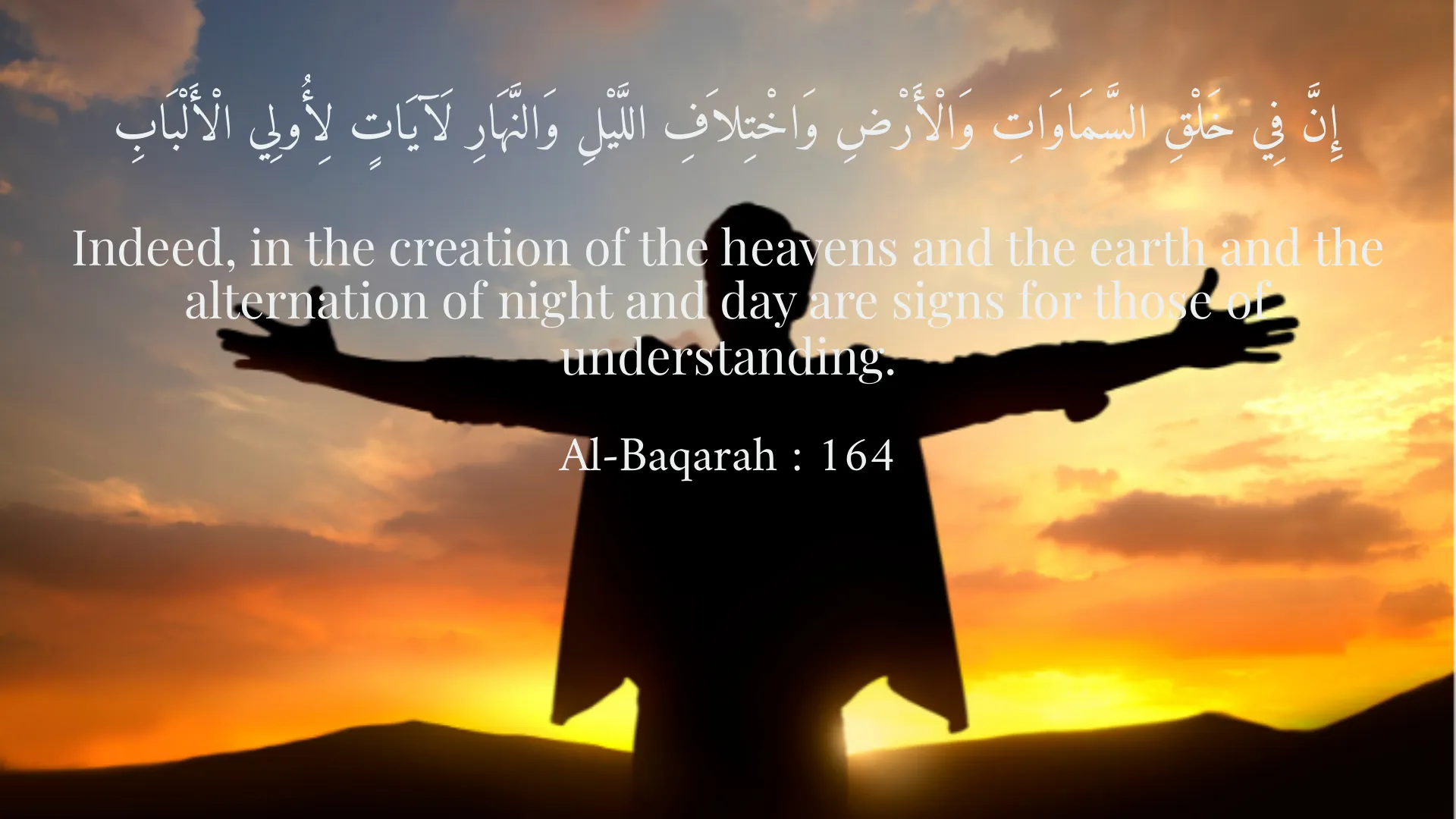
In the Holy Quran, one of the central themes that stands out is the consistent emphasis on the signs and blessings of God. These verses reveal a profound significance tied to recognizing the divine presence in the world around us. In a universe filled with complexity and beauty, the Quran invites believers to observe, reflect, and gain a deeper understanding of their relationship with the Creator. This article aims to explore this notion further by examining notable Quranic verses that call upon us to recognize God's signs, the implications of such recognition, and the effects it has on our faith and spirituality. One of the most striking verses highlighting this theme is found in Surah Al-Baqarah, verse 164, which states: "Indeed, in the creation of the heavens and the earth and the alternation of night and day are signs for those of understanding." This profound verse serves multiple purposes; it stimulates reflection and contemplation among believers about the existence and greatness of God. The universe, with its vastness and intricate design, is a testimony to the creative power and divine wisdom that governs it. The alternation of night and day punctually and consistently demonstrates a natural order that is beyond mere coincidence, leading believers to realize that it is the hand of the Almighty at play. Recognizing these signs of God is not just a matter of intellectual acknowledgment; it transcends into deep emotional and spiritual experiences. When we truly grasp the concept that every component of the universe is interlinked and reflects God's greatness, we find ourselves enveloped in a sense of gratitude and humility. This understanding reinforces our faith and allows us to seek a closer relationship with God. Life can be challenging, filled with its ups and downs; however, when we acknowledge His signs and blessings, we cultivate a strong sense of resilience and inner strength. Furthermore, the Quran directs followers to continually engage with their environment and take notice of the numerous blessings that surround them. For instance, in Surah Al-An'am, verse 75, God commands Prophet Abraham (AS) to look at the expansive heavens and find His signs therein. This directive encourages us to step back and take a moment to ponder the natural world around us. It invites us to appreciate its splendor, from the beauty of a sunrise to the intricacies of a leaf. Recognizing these signs in both grandeur and simplicity contributes to a more profound sense of connection with God. Every little phenomenon reminds us that we are part of a larger scheme of creation that leads back to the Creator. The invitation to observe and reflect is a recurring motif throughout the Quran, emphasizing that even in the smallest aspects of life, we can find divine gifts. Observing these hidden blessings goes beyond appreciating the evident wonders of nature. It requires a deliberate effort to look for signs of God's mercy and guidance—in the kindness of a stranger, the warmth of family, or the gift of faith itself. By doing so, we embody a spirit of thankfulness that permeates our daily experiences. This thankfulness not only nourishes our souls but also empowers us to express our gratitude in meaningful ways, fostering a sense of community and interconnectedness among individuals. The act of recognizing God's blessings serves a dual purpose: it enhances our gratitude and wells up a stronger conviction in our hearts regarding divine presence. It molds our character, refining our understanding of what it means to be humble and compassionate. As we witness God's blessings, we are inherently called to share these gifts with others, creating a ripple effect that stretches beyond individual experience. Thus, recognizing and sharing blessings becomes a means of fulfilling our duties as stewards of God's creation. Furthermore, deepening our awareness of these divine signs prompts a transformative experience wherein we begin to see life through a different lens. We gradually recognize that trials and tribulations can also serve as blessings in disguise, teaching us valuable lessons and guiding us towards spiritual elevation. Our perception of hardship shifts; it transforms from a mere struggle into a pathway to deeper faith and resilience. By viewing difficulties in the context of God's wisdom and mercy, we gain strength—an unwavering sense of hope that anchors our souls in times of grief. Furthermore, as we navigate through life's challenges, anchored by the recognition of God's signs, we cultivate a spiritual framework that nurtures our continuous growth. A heightened awareness of these blessings inscribes a sense of purpose within our lives, encouraging us to remain devoted to fulfilling our roles as compassionate beings. Ultimately, recognizing the blessings and signs of God leads to a holistic understanding of life's journey. It shapes how we perceive ourselves, how we engage with others, and how we relate to the divine. As seekers of truth, we are reminded of our identity as servants of God, which carries with it responsibilities of gratitude, humility, and compassion. By fostering this recognition, we strengthen our connection with Him and flourish in our understanding of divine wisdom. In conclusion, the Holy Quran consistently emphasizes the importance of observing God's signs and blessings in our lives. These reflections not only deepen our faith but also lead us to a greater appreciation of life's wonders, cultivating gratitude within our hearts and fostering a spirit of compassion toward others. As we continue to explore the world with a sense of wonder and humility, may we continually seek the blessings of Allah, recognizing His presence in every aspect of our existence.
Related Verses
إِنَّ فِي خَلْقِ السَّمَاوَاتِ وَالْأَرْضِ وَاخْتِلاَفِ اللَّيْلِ وَالنَّهَارِ لَآيَاتٍ لِأُولِي الْأَلْبَابِ
Indeed, in the creation of the heavens and the earth and the alternation of night and day are signs for those of understanding.
Al-Baqarah : 164
وَكُلُوا وَاشْرَبُوا وَلَا تُسْرِفُوا ۖ إِنَّهُ لَا يُحِبُّ الْمُسْرِفِينَ
And eat and drink, but be not excessive. Indeed, He likes not those who commit excess.
Al-A'raf : 31
إِذْ رَءَ إِبْرَاهِيمُ كَوَاكِبَ قَالَ هَذَا رَبِّي ۖ فَلَمَّا أَفَلَ قَالَ لَا أُحِبُّ الْأَفِلِينَ
When Abraham saw the moon rising, he said, 'This is my Lord.' But when it sets, he said, 'I like not those that set.'
Al-An'am : 75
Short Story
One day, a man approached a religious scholar and asked, 'How can I see the hidden blessings of God in my life?' The scholar replied, 'Spend some time every day reflecting on nature and acknowledge the blessings you have. You will see these blessings.' The man continued with more gratitude and effort in his life and felt a sense of peace in his heart.