Quranic Answer
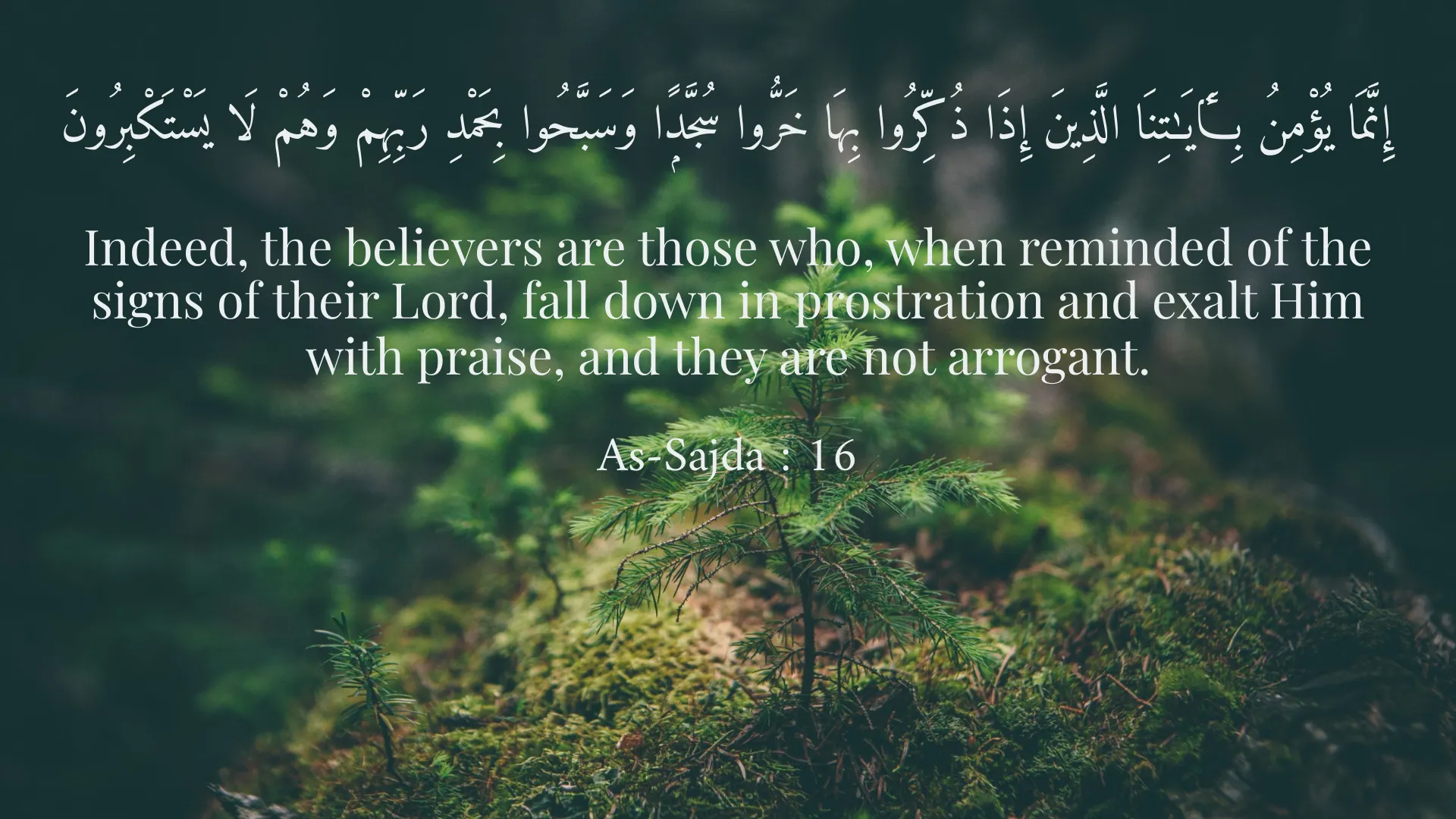
Seeking forgiveness at night is one of the most virtuous acts that Muslims can engage in. The act of seeking forgiveness not only signifies humility but also serves to fortify one's spiritual connection with Allah. The Quran contains numerous references that illuminate the importance of night as a sacred time for worship, introspection, and repentance. The quietude that envelops the night serves as a conducive atmosphere for believers to commune with their Creator and seek His mercy, forgiveness, and guidance. According to Quranic verses, nights are particularly opportune for worshipping and drawing closer to Allah. In Surah As-Sajda, verse 16, it is stated: "Indeed, the believers are those who, when reminded of the signs of their Lord, fall down in prostration and exalt Him with praise, and they are not arrogant." This verse emphasizes that true believers exhibit humility through worship when reminded of God’s signs. There is a profound beauty in the act of seeking forgiveness at night, as it allows individuals to converse with Allah in solitude and reflect on their actions throughout the day. The tranquility of the night encourages individuals to assess their lives, their deeds, and their intentions. It is in these quiet moments that one can reconnect with their innermost feelings. Additionally, in Surah Adh-Dhariyat, verses 17 and 18, it is noted that the righteous servants of God pray and seek forgiveness during the late hours: "They used to sleep but little of the night, and in the hours before dawn, they would seek forgiveness." This highlights that the true devotees of Allah dedicate their time during both sleeping and waking hours to worship, thereby seeking His mercy and compassion. Engaging in worship during the night reflects a believer's level of devotion. The night provides a unique opportunity for reflection and sincere supplication, free from the distractions that the day brings. Interpreter's of the Quran highlight that when an individual seeks forgiveness during these serene hours, they often experience a deeper connection with God and a clearer heart. In the silence of the night, one can unburden their heart and earnestly seek forgiveness for past transgressions. The practice of seeking forgiveness at night is not merely a ritual but rather a significant aspect of nurturing one's relationship with Allah. It is said that the hours preceding dawn hold a special significance in Islamic tradition. These moments are seen as a time when the veil between the individual and the Divine is thin, providing an ideal opportunity for sincere prayers and confessions. It is also a time when Allah descends to the lowest heaven, asking who among His servants seeks forgiveness so that He may grant them mercy. Furthermore, the practice carries not just spiritual significance but psychological benefits, as well. Engaging in nightly forgiveness can provide a sense of relief, alleviating feelings of guilt and remorse. When believers pray and seek pardon from Allah, it fosters feelings of hope and positivity, reinforcing the notion that no matter how grave their sins may be, Allah's mercy is always accessible to those who sincerely seek it. Muslims around the world often turn to the night prayers, or Tahajjud, as a means of enhancing their spiritual practice. This voluntary night prayer holds a crucial role in the lives of many faithful individuals. Performing Tahajjud is encouraged and revered as a means to deepen one's faith and establish a stronger bond with Allah. During these late-night hours, the atmosphere is permeated with a sense of peace and spirituality, which enhances one's ability to feel remorse for sins and to beg for forgiveness. Those who engage in this practice often experience profound spiritual moments that solidify their commitment to their faith. The importance of humility, recognition of one's shortcomings, and the seeking of Allah's forgiveness at night can be found throughout various Hadiths as well. The Prophet Muhammad (peace be upon him) emphasized in his teachings the virtues of humility and supplication, particularly during the quiet hours of the night. He illustrated the noble status of those who engage in worship when others are asleep, reinforcing the concept of night as a sacred time for prayer and reflection. Moreover, communities often come together during the nights of Ramadan, where forgiveness and supplication become communal acts of worship. It is a time when Muslims rally together, fostering a spirit of brotherhood and sisterhood, uplifting each other through collective prayers for forgiveness. This practice not only adds to the sanctity of the month but also enhances the overall experience of seeking forgiveness in a communal context. As the individual’s soul is nourished with devotional acts and prayers during the night, it reaches heights that potentially reshape their moral compass. This act of surrendering before Allah cultivates a sense of gratitude for blessings and a longing for a more righteous path in life. As one disseminates feelings of humility in front of their Creator, they are also reminded of mankind's shared journey for mercy and guidance. In conclusion, seeking forgiveness at night is truly an opportunity to renew one’s spirit and establish a closer relationship with Allah. It allows individuals to feel humility and servitude before Him while reflecting on their actions and striving to be better. Engaging in night prayers and seeking forgiveness may lead to a transformative journey, enabling believers to transcend their shortcomings, ultimately leading to a sense of fulfillment and inner peace. This sacred time is a singular chance to open one’s heart and soul to Allah, nurturing a profound spiritual connection that can last a lifetime.
Related Verses
إِنَّمَا يُؤْمِنُ بِـَٔايَـٰتِنَا الَّذِينَ إِذَا ذُكِّرُوا بِهَا خَرُّوا سُجَّدًۭا وَسَبَّحُوا بِحَمْدِ رَبِّهِمْ وَهُمْ لَا يَسْتَكْبِرُونَ
Indeed, the believers are those who, when reminded of the signs of their Lord, fall down in prostration and exalt Him with praise, and they are not arrogant.
As-Sajda : 16
كَانُوا قَلِيلًا مِّنَ اللَّيْلِ مَا يَهْجَعُونَ
They used to sleep but little of the night.
Adh-Dhariyat : 17
وَبِالْأَسْحَارِ هُمْ يَسْتَغْفِرُونَ
And in the hours before dawn, they would seek forgiveness.
Adh-Dhariyat : 18
Short Story
One night, Adel was sitting alone in the darkness and felt a sense of loneliness. He remembered the verses of the Quran and decided to dedicate some time to seeking forgiveness in that quiet hour. He sat down and spoke to Allah, asking Him to forgive his sins. Afterward, he felt an extraordinary peace and warmth, realizing that in this dark night, he had come closer to the divine light.